
Last updated November 20, 2026
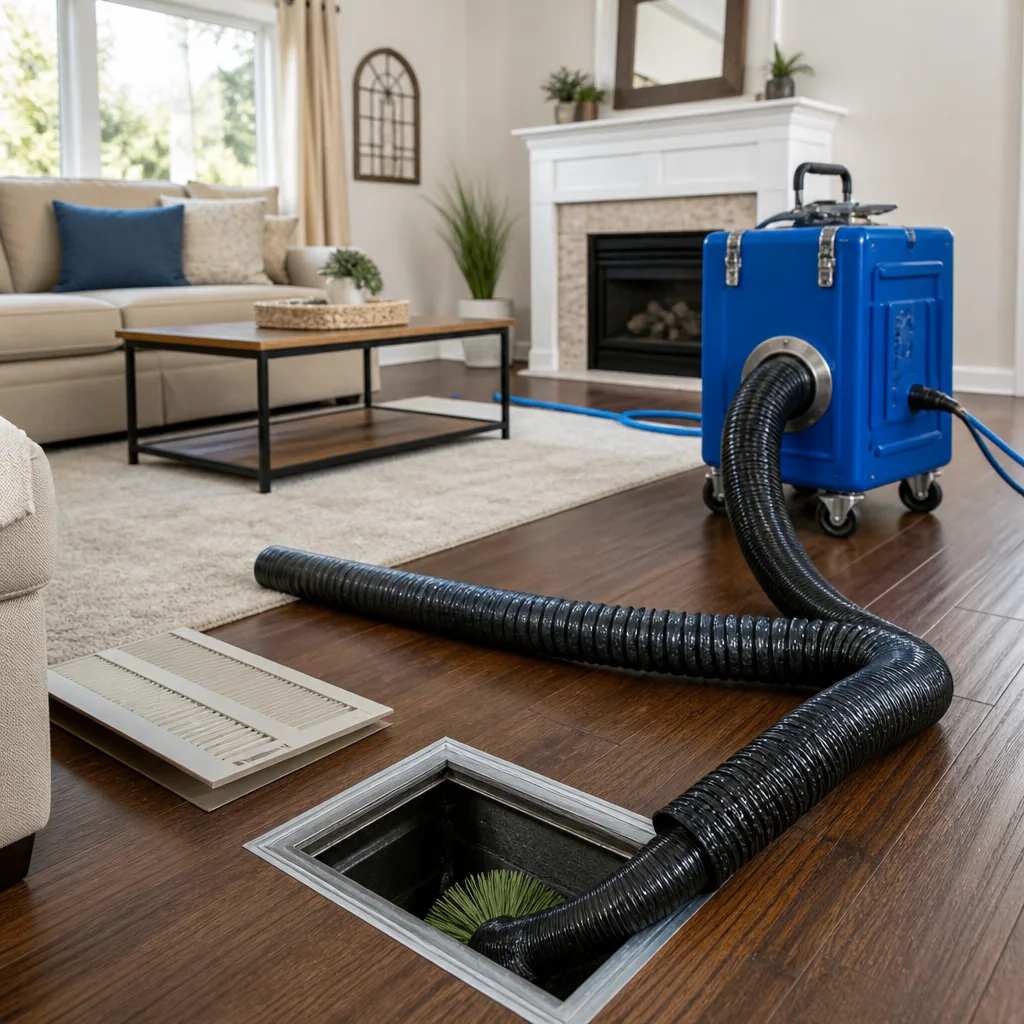 Whole-home duct cleaning
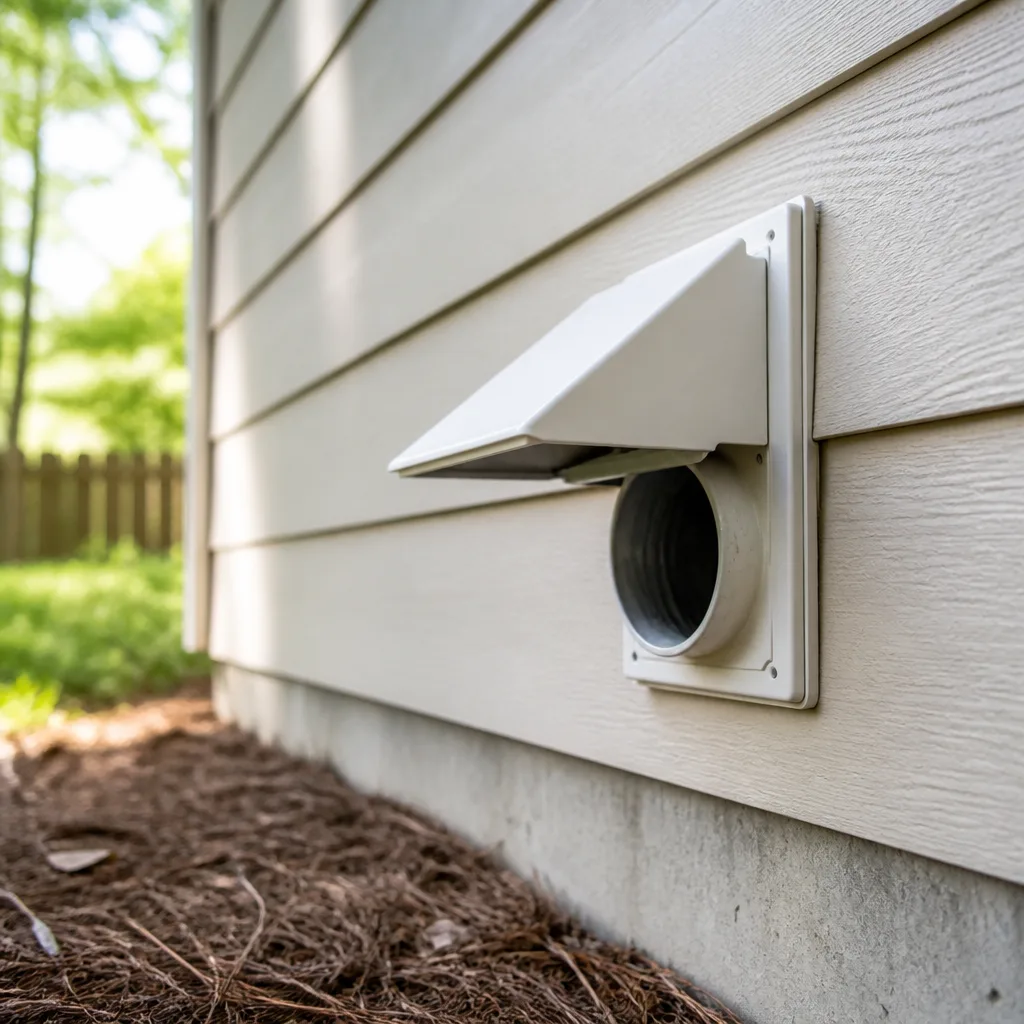 Dryer vent cleaning
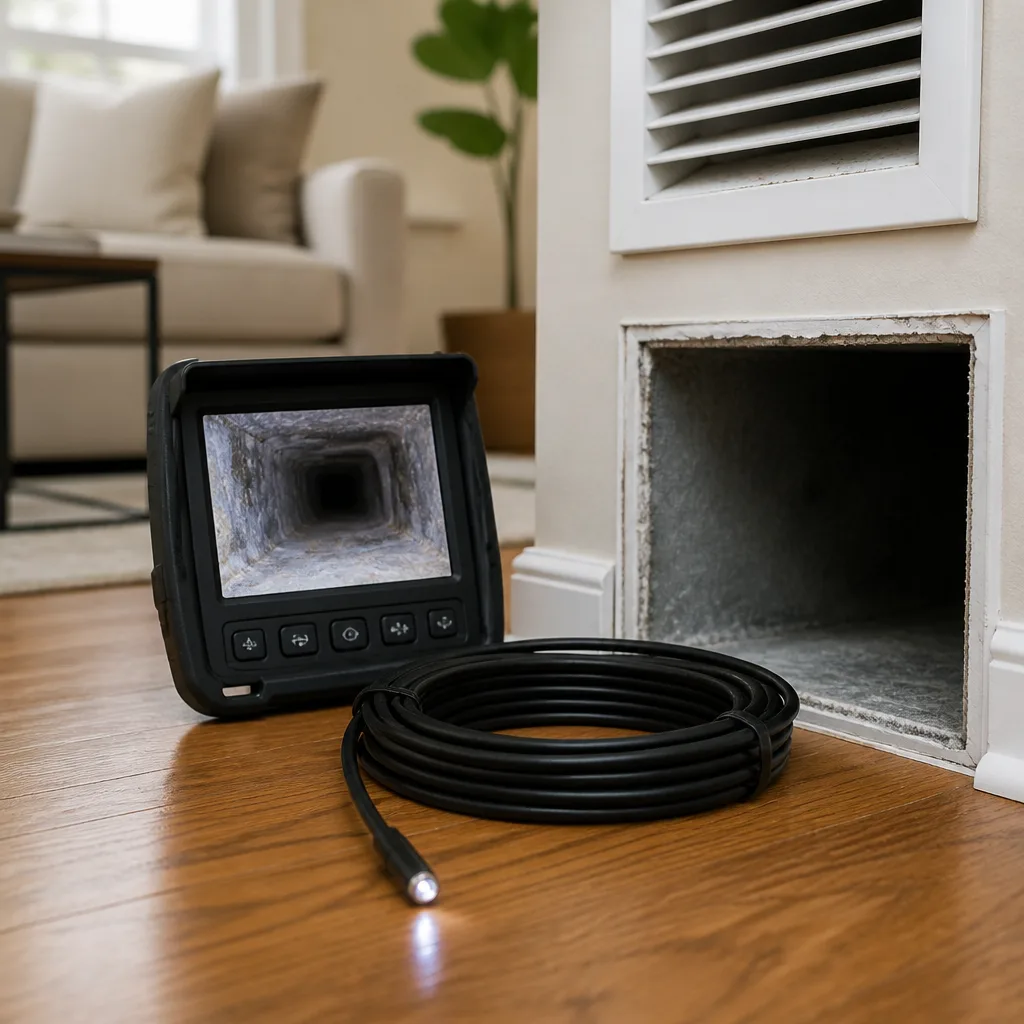 Camera inspection
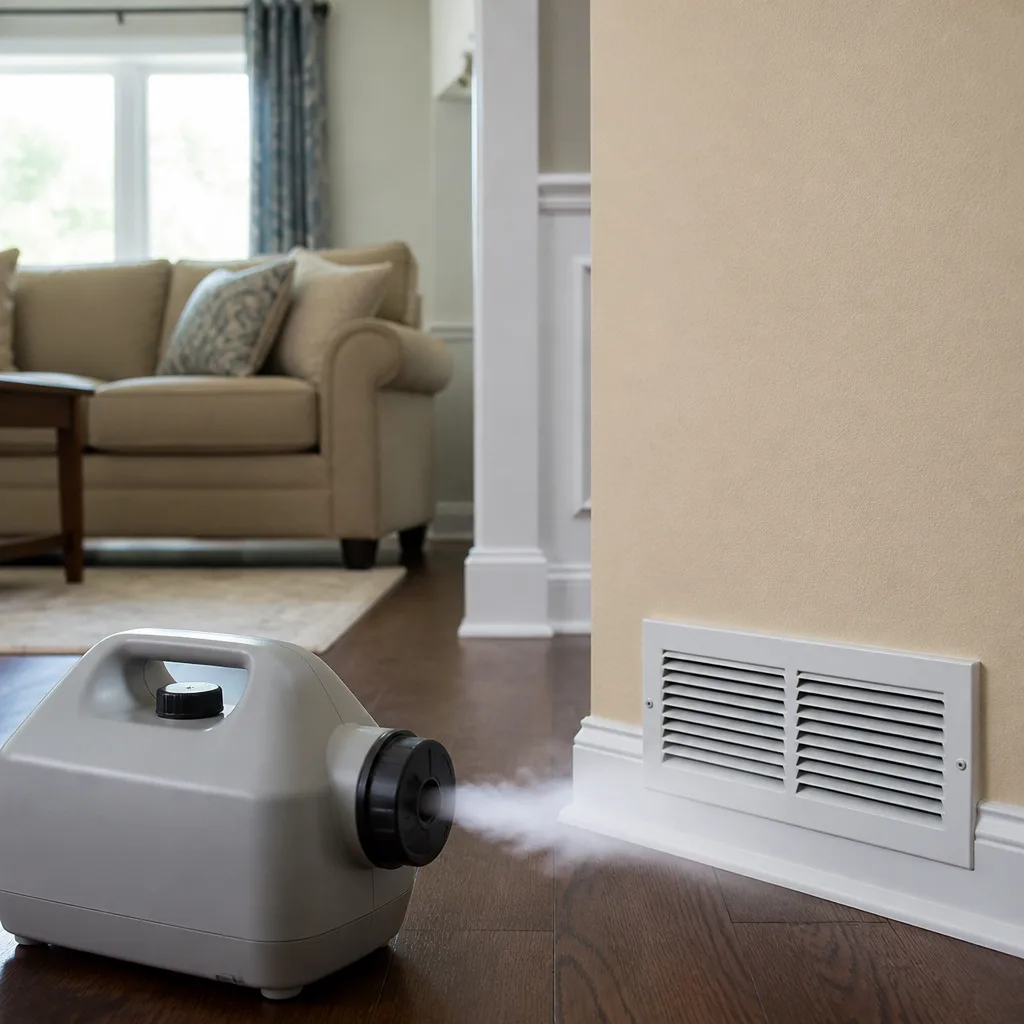 Sanitizing & deodorizing
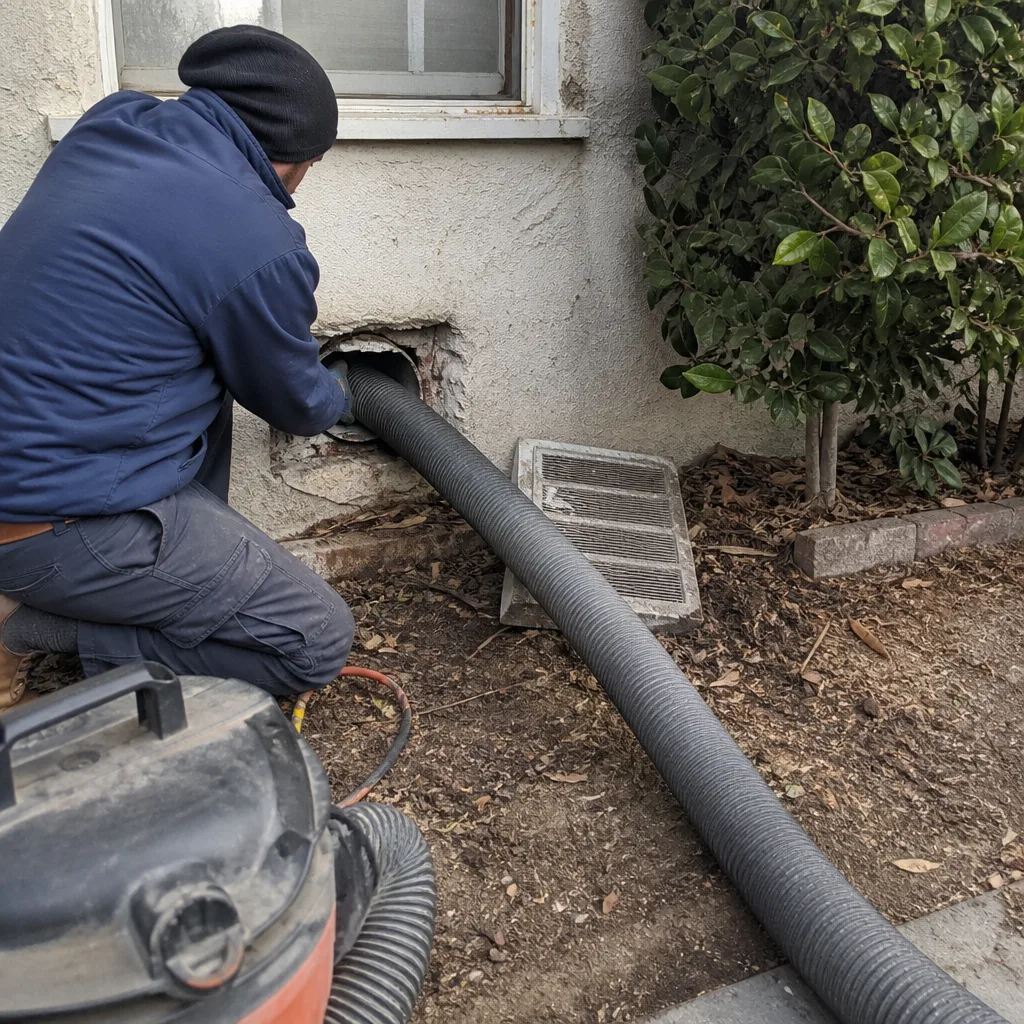
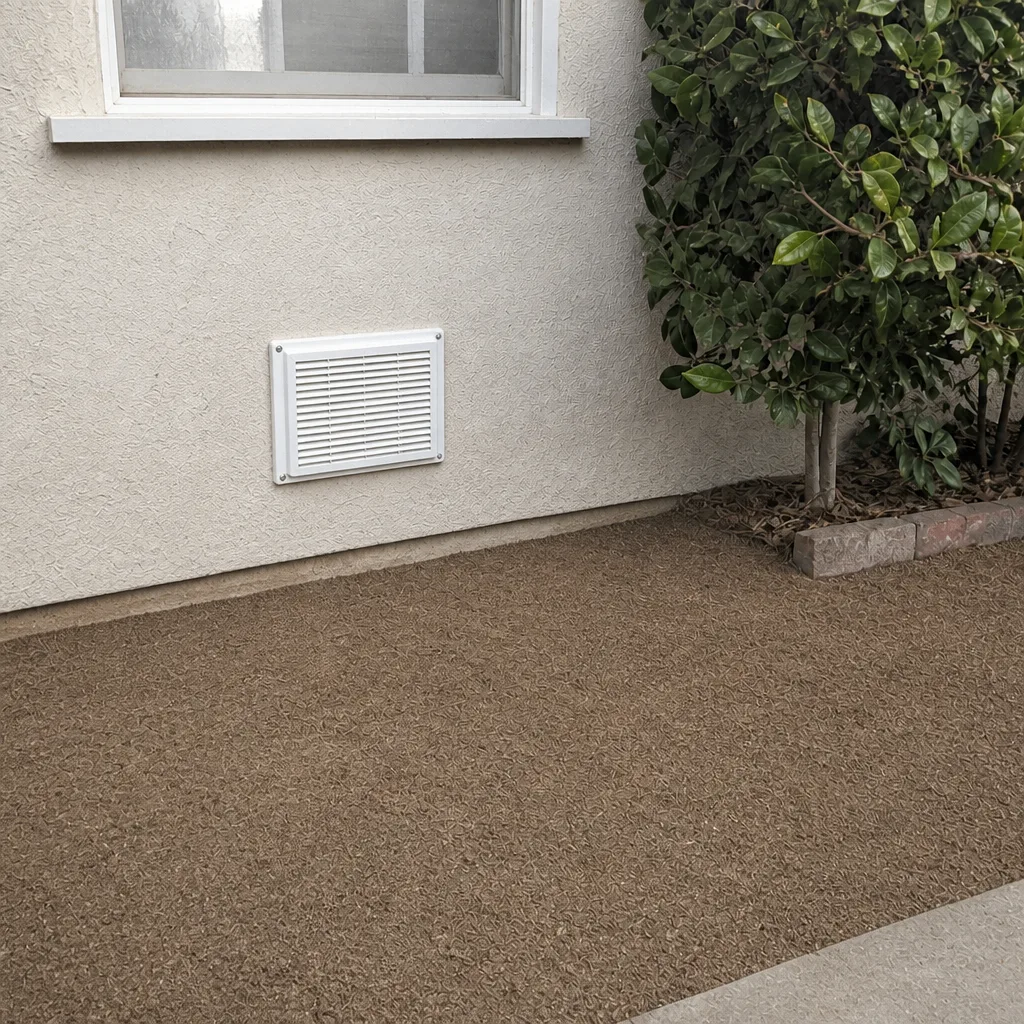
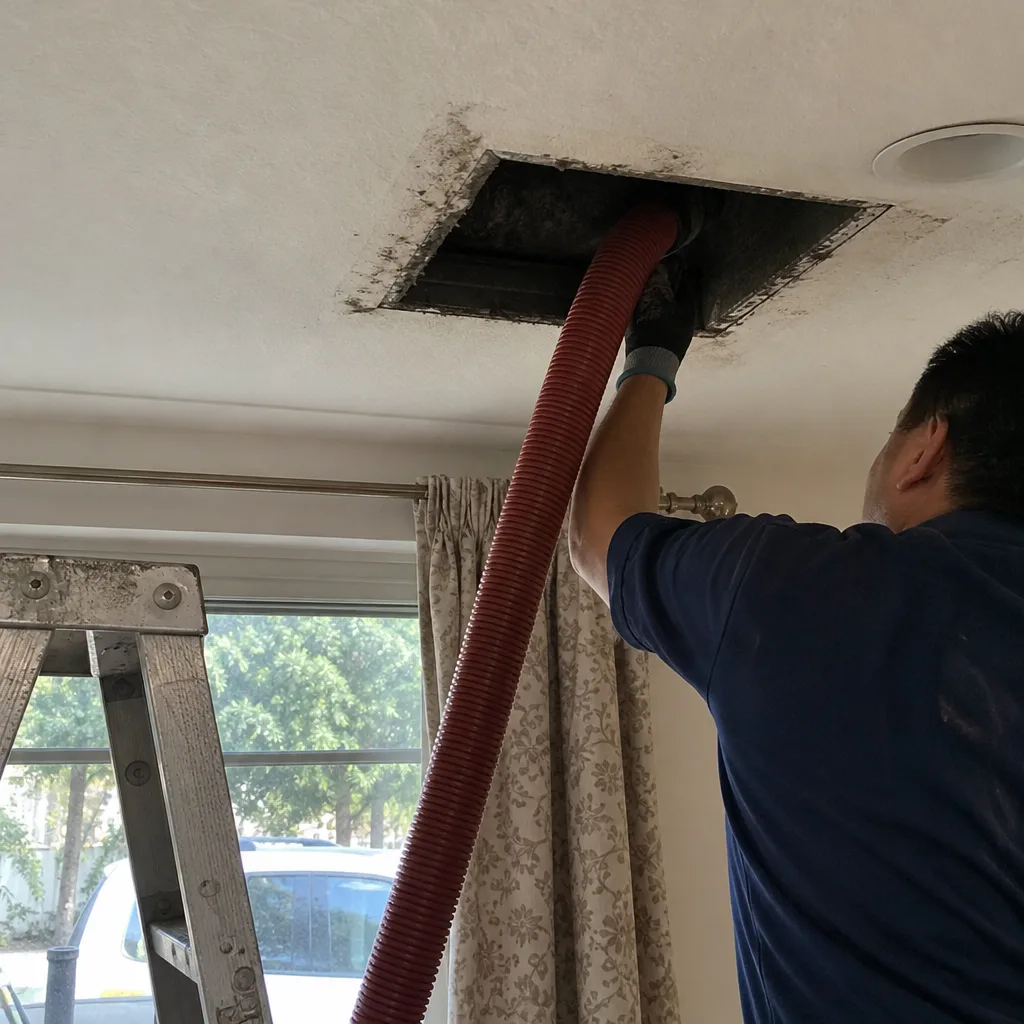
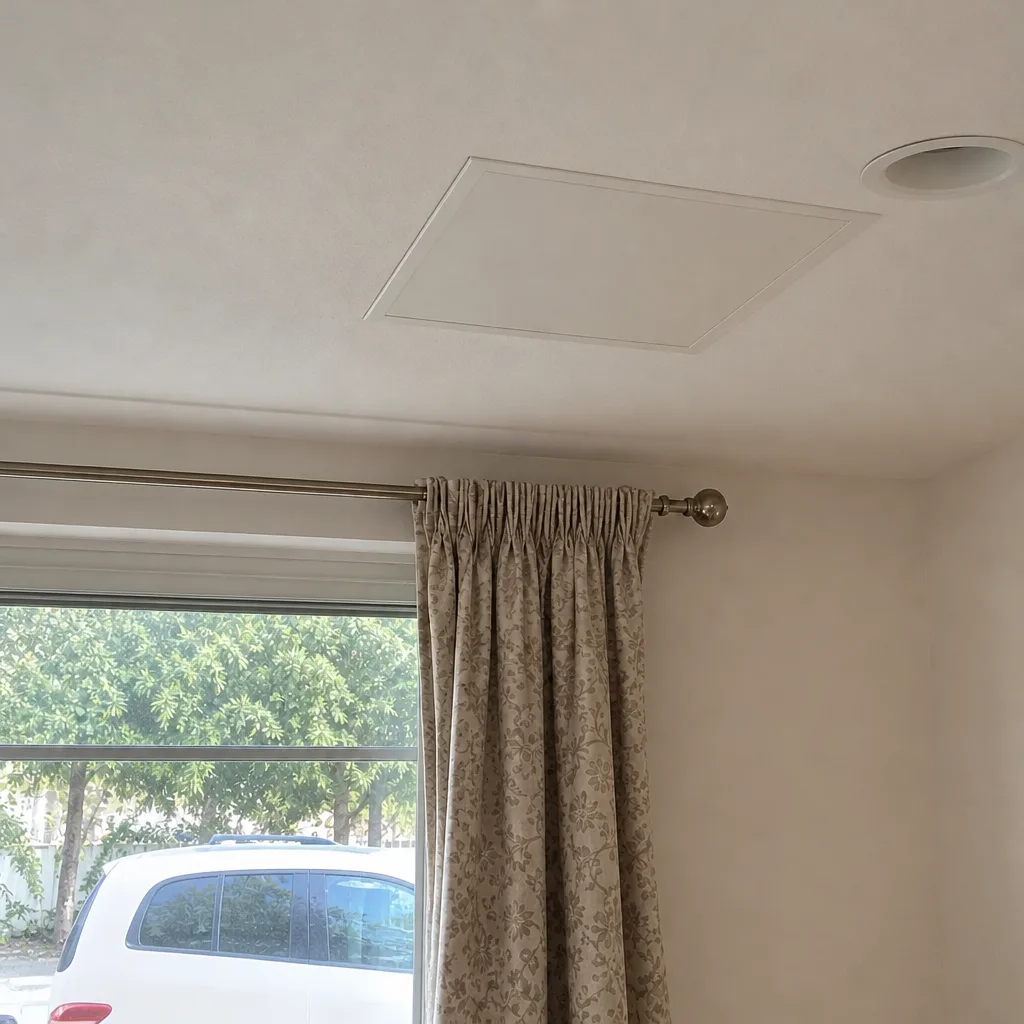
Whole-system duct and dryer vent check with before-and-after photos - you see exactly what came out of your vents
That "$99 whole-house special" is a bait ad - the real number appears once they are in your hallway, or the "clean" is a shop-vac at the register. We photograph the inside of your ducts before and after instead.
Choosing the Right Air Duct Cleaning Brand: A Buyer’s Guide for Placentia
The most dangerous contractor in the duct cleaning market isn’t the obvious low-price scammer. It’s the mid-price operator with professional-looking branding and genuinely inadequate equipment. Anyone can build a clean website, print a uniform, and talk about “indoor air quality” in a convincing voice. The difference between a company that actually cleans a whole system and one that runs a shop vacuum through your return grille for an hour is invisible from the street. In Placentia, where most homes sit on tight lots with HVAC systems tucked into closets and garages rather than basements, that difference shows up fast once the work begins. This guide walks through how to evaluate equipment claims, what certification really means, how to read reviews for technical competence instead of politeness, and why local accountability matters when something needs fixing after the job.
Quick Answer
The right air duct cleaning brand in Placentia is the one whose equipment can actually extract debris from the whole system, whose service scope covers sealing and repair rather than cleaning alone, and whose technicians can be verified as certified rather than described as certified. Judge a company on equipment it can name, work it performs in-house, and accountability you can trace after the job. Nothing else on the marketing page tells you much.
Styles & brands we work with
- Whole-home duct cleaning
- Dryer vent cleaning
- Camera inspection
- Sanitizing & deodorizing
Table of Contents
- How to Evaluate a Company’s Equipment Claims
- Why Full-Service Scope Beats Cleaning-Only Crews
- What NADCA Certification Actually Requires
- How to Read Reviews for Duct Cleaning Companies
- Local Accountability and Why It Matters in Placentia
- What a Legitimate Full-System Cleaning Looks Like, Step by Step
- Questions to Ask Before You Book Anyone
- Common Mistakes to Avoid
- When to Call a Professional
- Frequently Asked Questions
How to Evaluate a Company’s Equipment Claims
Ask two questions and listen carefully. “What equipment do you run?” and “What is it mounted on?” The answers separate serious operators from people with a vacuum from a hardware store.
There are two broad categories of professional duct cleaning equipment in the field today. The first is truck-mounted or trailer-mounted negative-air units, which pull a high volume of air through the duct system and exhaust it outside, creating constant negative pressure so loosened debris doesn’t drift back into the home. The second category is portable HEPA units and contact cleaning tools. Portable equipment can do an honest job when it’s genuinely professional-grade and paired with agitation tools, but a raw portable vacuum without HEPA filtration or containment practices is a different animal entirely.
Professional-grade systems do the following:
- Source extraction: Pull debris at the source from inside the ducts rather than stirring it loose at the vent and relying on the filter downstream.
- Contact agitation: Rotary brush or air whip tools that physically dislodge what’s clinging to duct walls. Vacuum alone doesn’t move bonded dust.
- Containment: Negative pressure practices that keep debris inside the system until it’s captured or exhausted outside.
- HEPA filtration: When air is exhausted indoors, it passes through HEPA before it re-enters the room.
We operate professional equipment lines including Rotobrush and Nikro for duct cleaning, and Abatement Technologies equipment associated with containment and negative-air processes. Those are the same equipment categories used on commercial and remediation-grade projects, not entry-level consumer machines. The reason we name them is simple: a homeowner evaluating Placentia air duct cleaning companies has no way to judge a claim like “professional equipment” without brand names to compare. When a company won’t name its tools or explain what they’re mounted on, that’s the answer you need.
The practical test is dry run behavior. A technician with a purpose-built system will explain exactly how air is being moved, what’s being filtered, and where the exhaust goes. A technician with a shop vacuum won’t. Better air starts with what you can’t see, and the equipment has to reach it.
Why Full-Service Scope Beats Cleaning-Only Crews
A cleaning-only crew has a structural problem: when they finish the cleaning, anything else wrong with the duct system becomes somebody else’s problem. Here’s what that means for you.
During a proper system cleaning, technicians routinely find compromised ductwork. Poorly taped joints. Collapsed flex duct. Separated connections at boots and plenums. Ducts running through garages or attics with damaged insulation. If the company that cleaned the system can’t repair and seal what it finds, you get a report instead of a fix. Then you’re on the phone looking for another contractor to come back and open the same system up a second time.
Our approach is the opposite. We repair what we find – the duct repair and sealing work happens on the same visit as the cleaning, with the same technicians who just opened the system up. That keeps accountability intact and eliminates the second appointment. The full service scope across our work in Placentia:
- air duct cleaning – extraction and agitation across the full supply and return system.
- dryer vent cleaning – a separate pathway that traps lint and blocks airflow, cleaned with the same professional equipment grade.
- HVAC cleaning – evaporator coil, blower, drain pan, and cabinet, because the plenum and coil are part of the same air path.
- Duct repair and sealing – fixing leaks, resealing joints, and restoring insulation where compromised.
- Air quality sanitizing – applied post-cleaning to treat what’s left behind on surfaces.
That last service category matters more than it sounds. Cleaning removes debris; sanitizing addresses microbial growth on duct surfaces after the debris is gone. We use Guardsman-backed sanitizing treatments applied after cleaning so the surface is clean before treatment. Doing the sanitizing first or without a full clean is a waste of both steps.
The full-service structure also reduces risk for the homeowner. When one company handles every phase, you don’t have a handoff between a cleaning contractor and a sealing contractor where any post-job problem gets bounced between two entities that each point at the other. That dynamic is common enough in the trade that it’s worth asking about upfront. From cleaning to sanitizing to sealing, one company carries the accountability.
What NADCA Certification Actually Requires
The National Air Duct Cleaners Association (NADCA) operates a certification program called the Air Systems Cleaning Specialist (ASCS). Understanding what that certification requires helps you tell it apart from marketing language that implies certification without it.
Earning the ASCS credential generally involves formal classroom or online training in duct system cleaning practices and standards, passing a written exam, and meeting a continuing education requirement to maintain the credential. NADCA also maintains industry standards covering the assessment, cleaning, and restoration of HVAC systems. Those standards are the reason the certification means something: it’s not a plaque on a wall, it’s a testing standard for whether a technician understands the mechanics of air system cleaning.
What NADCA certification does not mean: it isn’t a license to operate, it isn’t the same as a general contractor’s license, and it doesn’t guarantee the equipment on the job is correct. A certified technician with a marginal portable vacuum is still an under-equipped job. Certification is one input among several.
How to verify a certification claim:
- Ask directly: “Are your on-site technicians ASCS certified, or is certification held at the company level only?”
- Ask for the certifying body by name. NADCA is the one to know in this industry. If a company cites a certification from an organization you can’t find, that’s a signal.
- Look for language that describes rather than claims. “Certified technicians” as a marketing phrase is meaningless. “Air Systems Cleaning Specialist certified” is a specific claim you can check.
- Ask whether certification is held by the technicians who actually arrive, or only by an office staffer or training manager.
- If you need documentation (for a rental property, an insurance claim, or HOA requirements), ask for it in writing before the appointment.
We mention this honestly: certification is a standard worth asking about, and not every legitimate operator holds it. What you can do as a buyer is separate the vague from the specific. If you can’t get an answer to “what certification, from what organization, held by whom,” treat the claim as unverified.
How to Read Reviews for Duct Cleaning Companies
Reviews of duct cleaning companies tend to fall into two buckets: service-experience reviews and technical-outcome reviews. Only one of them tells you whether the work was actually done well.
Service-experience reviews describe the interaction: “on time,” “polite,” “called ahead,” “explained what they were doing,” “left the house tidy.” These are worth something. They signal a functioning operation. But they don’t distinguish a great cleaning job from a mediocre one, because a pleasant technician with a shop vacuum can hit every one of those notes.
Technical-outcome reviews describe what happened to the air or the system: “coughing stopped,” “static pressure readings improved,” “ceiling register in the nursery actually blows air now,” “found a disconnected duct in the garage that two previous companies missed,” “before-and-after photos showed what came out of the return.” Those are the reviews to read closely. They describe an observable change.
What to look for in the review set:
- Before-and-after photos in reviews. Homeowners who post photos are describing what came out of the system or what the ducts looked like before and after. That’s evidence, not opinion.
- Specific descriptions of what was found. “Two disconnected flex runs above the garage” tells you the technician actually inspected the system. “They cleaned everything” tells you nothing.
- Updates after a problem. A review that mentions a follow-up visit where the issue was corrected is a good sign. It means the company showed back up.
- Consistency. Read the middle-star reviews first. The 3-star reviews usually contain the real story about how a company behaves when something goes wrong.
- Local detail. Reviews that mention Placentia neighborhoods, specific housing styles, or local conditions tend to come from actual local customers rather than regional review farms.
What to discount: reviews that all arrive in the same week, reviews with no specific detail, and review totals that dwarf the actual customer base of a specialty contractor. In our experience, the honest review is usually the one that describes an unglamorous detail exactly – the plenum insulation that was coming apart, the disconnected return in the garage, the static pressure reading that moved from one number to another.
Local Accountability and Why It Matters in Placentia
Placentia is a specific place with a specific housing stock, and that matters when something needs to be corrected after the job.
Most Placentia homes were built across a wide range of decades, and the duct systems inside them show that range. Older properties around the historic core often have original or partially retrofitted duct runs, sometimes flex duct added during a past remodel that’s now sagging or separated at a joint. Newer construction on the eastern side of the city usually has tighter, better-sealed systems, but often in closets or chases where access is awkward and a technician has to think about how to reach the plenum without damaging finish work. Homes in Placentia also sit in a warm, dry inland climate for most of the year, which means the HVAC system runs hard for long stretches and any duct leak is effectively a leak of conditioned air into unconditioned space. Mild winters don’t save you from that; the system is working through a long cooling season instead.
None of that is exotic. What it is, is local. A technician who works in Placentia regularly knows how systems are laid out in the area and can move through the work efficiently. A truck dispatched from a regional hub three cities away doesn’t, and can’t estimate the time or the challenges accurately from the office.
The accountability question is where the difference between local and regional operators really shows. Ask yourself:
- If something is wrong after the job, who comes back? A locally-rooted Placentia operator has a reason to make a follow-up visit happen. Problems get solved at the business level, not routed to a call center.
- Who is the technician, and do they work for the company that quoted the job? With a franchise or dispatch service, the person who shows up may be a subcontractor whose incentive ends when the invoice is signed.
- Where do the review responses come from? Local operators respond personally. Regional systems respond with a script and a toll-free number.
- Can you contact the same company next year? Not required, but the ability to is a useful test of whether the company treats the relationship as ongoing.
At Placentia Air Duct Cleaning Co, we handle the work from the assessment through the sealing and sanitizing so that when a follow-up matters, the person who shows up is one of the same technicians who did the job. That’s structural, not a promise: it’s what full-service scope means in practice. Our technicians have up to 11 years of experience in duct and HVAC cleaning work, which is the tenure that matters on the ground.
One more piece of local accountability: a Placentia operator is going to run into the same neighbors and the same property managers again. The reputation stakes are the ones you can verify.
What a Legitimate Full-System Cleaning Looks Like, Step by Step
A legitimate job follows a sequence. Ask any company you’re considering to describe their sequence. It’s one of the most reliable tests in this trade, because a company that doesn’t have a real process can’t describe one smoothly.
- Assessment before equipment goes in. Access points are located, the HVAC unit and plenum are inspected, and any obvious damage or disconnection is noted. Access panels or temporary ports are opened at the main trunk lines.
- Containment setup. Negative pressure is established using HEPA filtration or exhaust-to-outside equipment so loosened debris doesn’t migrate into living space. Registers are often sealed during this phase.
- Agitation inside the ducts. Rotary brush or air whip tools work through the supply and return runs, releasing what’s attached to the walls. This is where the debris actually moves.
- Source extraction. The main negative-air unit pulls the loosened material out of the system and captures or exhausts it. The registers are then re-opened and the work is checked.
- HVAC equipment cleaning. Evaporator coil, blower wheel, drain pan, and cabinet are cleaned. The coil and blower are part of the same air pathway and skipping them leaves contamination downstream of the just-cleaned ducts.
- Repair and sealing as needed. Any compromised joints, disconnected runs, or damaged insulation identified in step one gets addressed here, while the system is open.
- Sanitizing treatment. A Guardsman-backed sanitizing treatment is applied post-cleaning to duct surfaces to address microbial residue the cleaning exposed.
- Verification and before-and-after documentation. Photos of the ducts before and after are captured and reviewed with you. Airflow at the registers is checked.
If a company can’t describe steps two through five in any detail, they don’t have a real process. If they can’t describe step six, they can’t repair what they find. If they can’t describe step eight, they have no way to show you the work was actually done.
As part of full-system care, we also bridge into longer-term air quality improvements. We supply and install air quality products from Honeywell and Aprilaire, which handle filtration, humidification and ventilation demands after the cleaning is finished. Cleaning resets the system; filtration and ventilation keep it that way. One call covers both.
Questions to Ask Before You Book Anyone
This list works on any air duct cleaning company in Placentia or anywhere else, and it bites hard. Bring it to the phone call.
- What cleaning equipment will actually be on site, and what brand? Listen for a specific brand name and a description of whether it’s truck-mounted or portable. Vague answers here are a red flag.
- Do you use negative pressure or containment during the job? The word “containment” should mean something. If the answer is “yes, we have a shop vac,” end the call.
- What’s the full service scope? Cleaning only, or cleaning, sealing, repair, and sanitizing? A cleaning-only crew can’t fix what it finds. Ask who does the repair.
- Who does the sealing and repair work – your technicians or a subcontractor? In-house work keeps accountability in one place.
- Are the technicians ASCS certified by NADCA, and if so, which ones? Specific certification, specific technicians.
- Will I get before-and-after photos of my own ducts? If the answer is no, you have no way to verify the work.
- What does the written estimate include and what might it not include? Confirm scope and price in writing before the technician starts.
- If you find a problem (a disconnected duct, a cracked plenum), what happens? A company with full scope can fix it and quote the repair on the spot. A company without it will hand you a report.
On the pricing question: a written estimate before work starts is normal. What’s less normal, and worth refusing, is a per-vent quote that balloons after the technician opens the system. The honest structure is one flat price per system agreed in writing before any work begins. See the pricing section of our air duct cleaning page for how that structure works in practice.
Common Mistakes to Avoid
- Booking on price alone. The direct cost of a re-clean is twice what you thought you were saving. A cheap job on inadequate equipment leaves debris in the system and often introduces it into the living space during the work.
- Believing “professional equipment” without a name. Ask for the brand. Rotobrush, Nikro, and Abatement Technologies are real brands with real categories. “Professional-grade” without a name is a claim, not a fact.
- Assuming a cleaning-only crew will fix what it finds. Plenty of Placentia homes have flex duct added during past remodels that’s sagging or disconnected at joints. A cleaning crew without repair capability reports the problem and leaves.
- Missing the HVAC unit as part of the clean. Cleaning ducts without cleaning the coil, blower, and drain pan leaves the worst contamination in place and re-contaminates the ducts. Ask specifically whether the HVAC unit is included.
- Choosing a company based on schedule rather than scope. A quick appointment doesn’t help if the equipment can’t do the job. Read the process. Read the reviews. Then book.
- Ignoring the local accountability question. A regional dispatch service can send a thoroughly professional technician, or a subcontractor, with no way for you to tell which until the invoice arrives. For Placentia homeowners and property managers, a locally-rooted operator means someone who will come back to the property if a follow-up is needed.
When to Call a Professional
Some signs don’t need a diagnostic. Call when:
- Visible dust or debris blows out of supply registers when the system comes on.
- You or someone in the home has persistent allergy or respiratory symptoms that worsen indoors.
- You’ve just completed a renovation, and drywall dust and construction debris have been pulled into the return system.
- The HVAC system has never been cleaned, or it’s been long enough that you can’t remember when it was.
- The dryer takes noticeably longer to dry clothes, which usually points to a blocked dryer vent.
- You can hear whistling or feel significant leakage at duct joints accessible through a closet or garage.
- You’re moving into a home and want a baseline clean before you do.
Placentia Air Duct Cleaning Co offers free estimates in Placentia – call (833) 545-4372. We answer 24/7. Fast dispatch from 7am to 7pm, Sunday through Friday, and we’re closed Saturday. A call that comes in outside dispatch hours gets booked into the next opening. All estimates are free and the written estimate sets the price, one flat price per system.
Frequently Asked Questions
Ask for the brand and the mounting type. A legitimate answer names a specific equipment line (Rotobrush, Nikro, Abatement Technologies are common professional brands) and describes whether the unit is truck-mounted or a portable HEPA system with containment. If a company can’t name equipment, or describes it only as “professional-grade,” treat the claim as unverified. Then ask what happens during the containment phase. If the technician can’t explain negative pressure or HEPA exhaust in ordinary language, the equipment on the job may not match the equipment on the website.
NADCA’s Air Systems Cleaning Specialist certification generally requires training, a written exam, and continuing education to maintain. Not every Placentia air duct cleaning company holds it – certification is optional in this trade, and many legitimate operators approach quality through equipment and process rather than certification. What matters is whether the company can answer specifically: what certification, from what organization, held by which technicians. If the answer is vague or changes when you push, that’s information. Call (833) 545-4372 for our own certification and equipment details and an estimate.
Per-vent pricing is a common marketing structure in the duct cleaning trade, and it’s the source of most pricing complaints. The number of vents on a house tells you almost nothing about how much work a full-system clean involves, because the difficulty depends on system layout, duct condition, access, and whether the HVAC unit is included. A per-vent teaser can end up dramatically higher than the quoted figure once the technician is inside. The honest structure is one flat price per system agreed in writing before any work begins. Call (833) 545-4372 for an exact quote on your system – estimates are free.
Duct cleaning can reduce some sources of indoor airborne particles, particularly when the system hasn’t been cleaned and dust is actively being circulated. What we don’t do is promise a medical outcome. In practice, the biggest effect comes from cleaning the system thoroughly, repairing any leaks that are pulling unfiltered attic or garage air into the supply, and then maintaining filtration with a proper filter (and, where appropriate, air quality products from Honeywell or Aprilaire). If you’re chasing allergy symptoms, the right starting point is a full-system assessment.
Ask for before-and-after photos of your own ducts, not stock photos. A technician with a purpose-built system should be able to document the inside of the main trunk and the plenum before and after. Documentation plus a clearly described process (assessment, containment, agitation, extraction, HVAC cleaning, sealing, sanitizing) is the right set of evidence. Nothing else proves the work. Call (833) 545-4372 and ask for an estimate that includes before-and-after documentation.
Only if the company performs repair and sealing in-house. A cleaning-only crew or a crew that subcontracts repairs will report the damage and schedule a second visit, which means the system gets opened twice and coordination between two parties is on you. A full-service company can repair and seal on the same day the system is already open, keeping accountability with one operator. For Placentia homes with older ductwork, this difference comes up more often than you might expect. Call (833) 545-4372 to book an estimate.
The Bottom Line
Judge a duct cleaning brand by the specificity of its answers. Equipment that’s named, not described. A full service scope that includes sealing and repair, not just cleaning. Certification you can verify by asking who holds it. Reviews that describe outcomes, not just politeness. A Placentia-based operator with structural reasons to make follow-ups happen. Those five checks cut through the branding and the marketing language that every company in this trade is tempted to lean on. Cleaning the system rather than the vents, using equipment built for the job rather than consumer machines, and repairing what we find while we’re in the ducts: that’s the standard we hold to. Call (833) 545-4372 for a free estimate. We answer 24/7. Fast dispatch from 7am to 7pm, Sunday through Friday. The written estimate sets the price.
Written by the team at Placentia Air Duct Cleaning Co.
See the difference
 Before
 After
 Before
 After
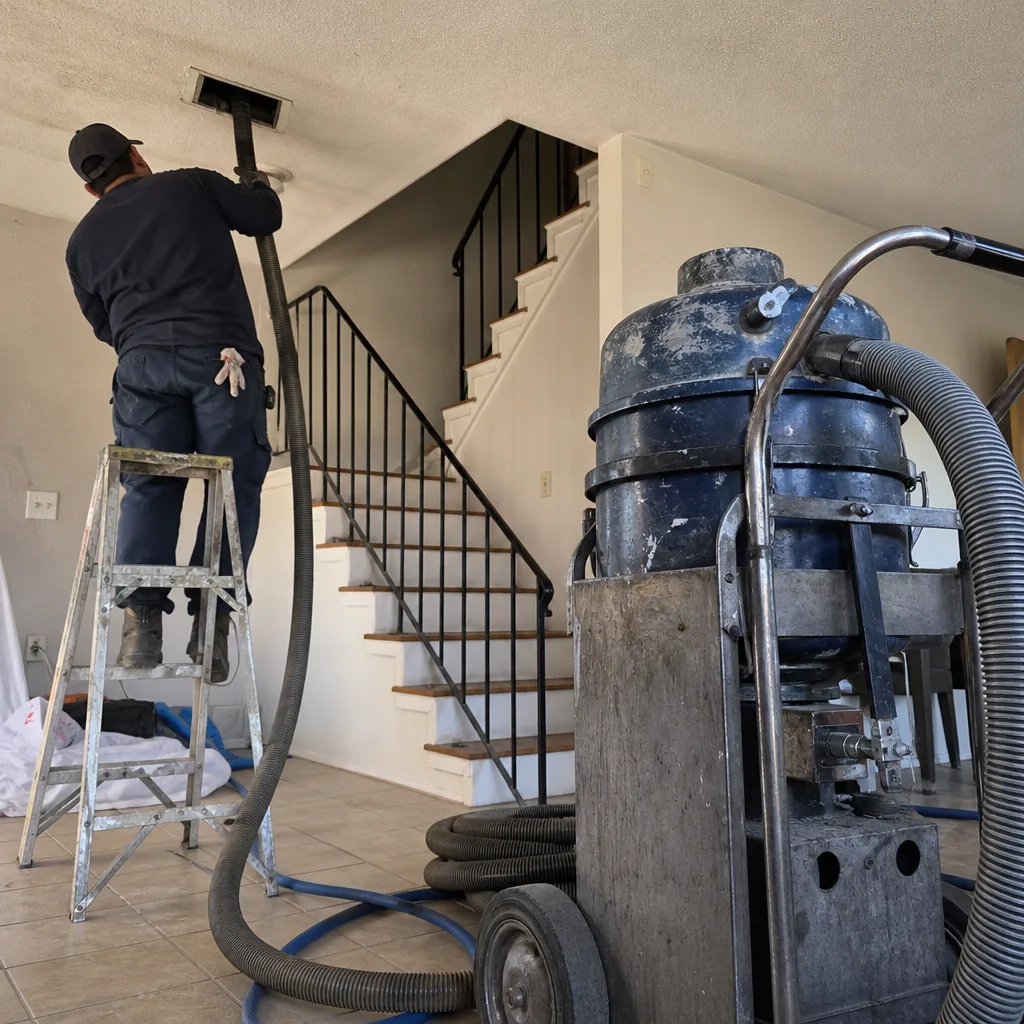 Before
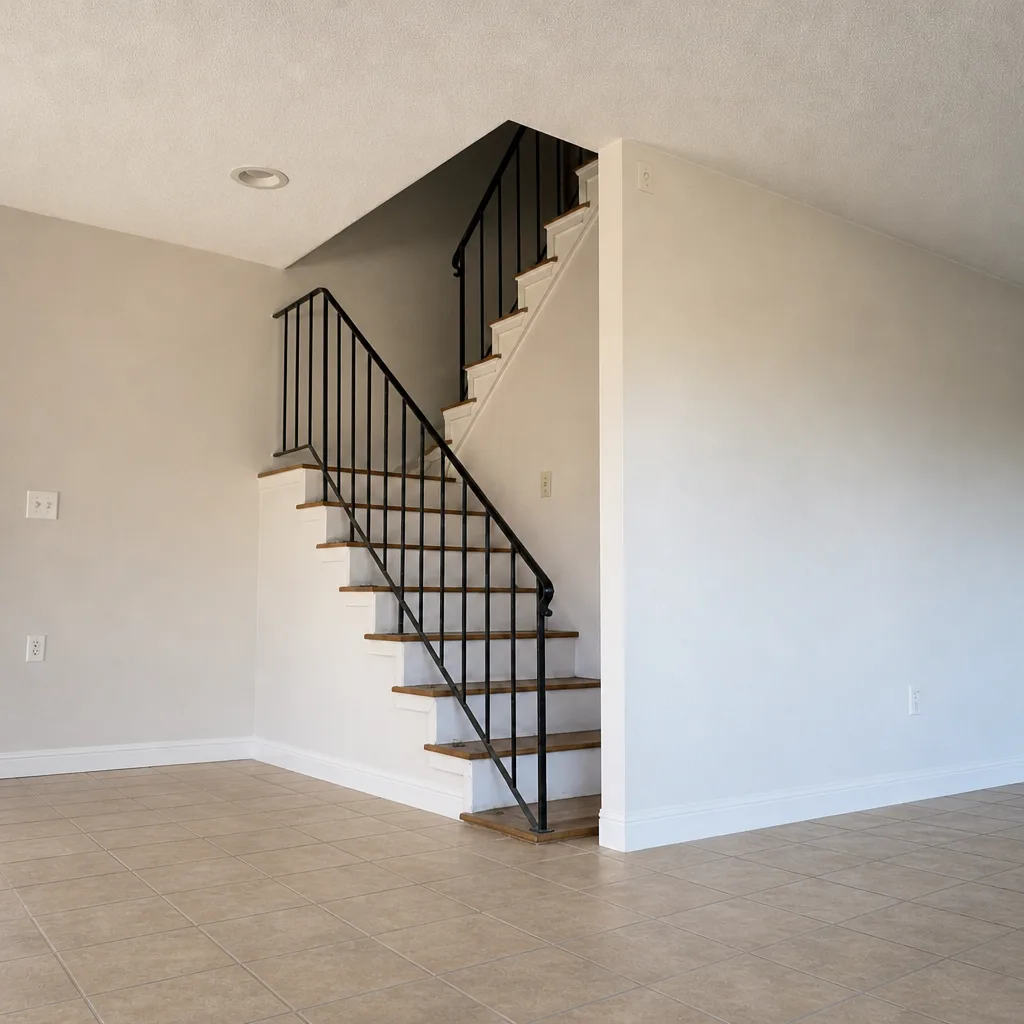 After