
Last updated November 20, 2026
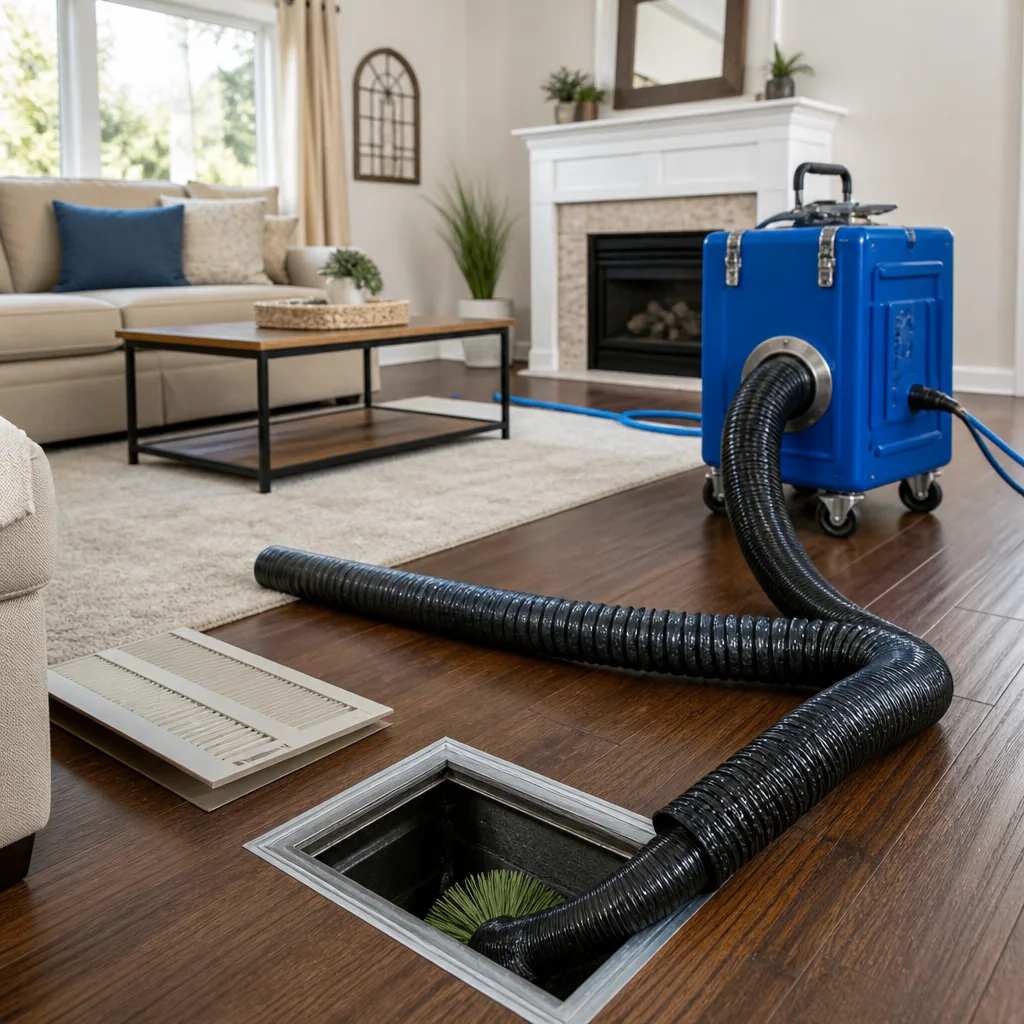 Whole-home duct cleaning
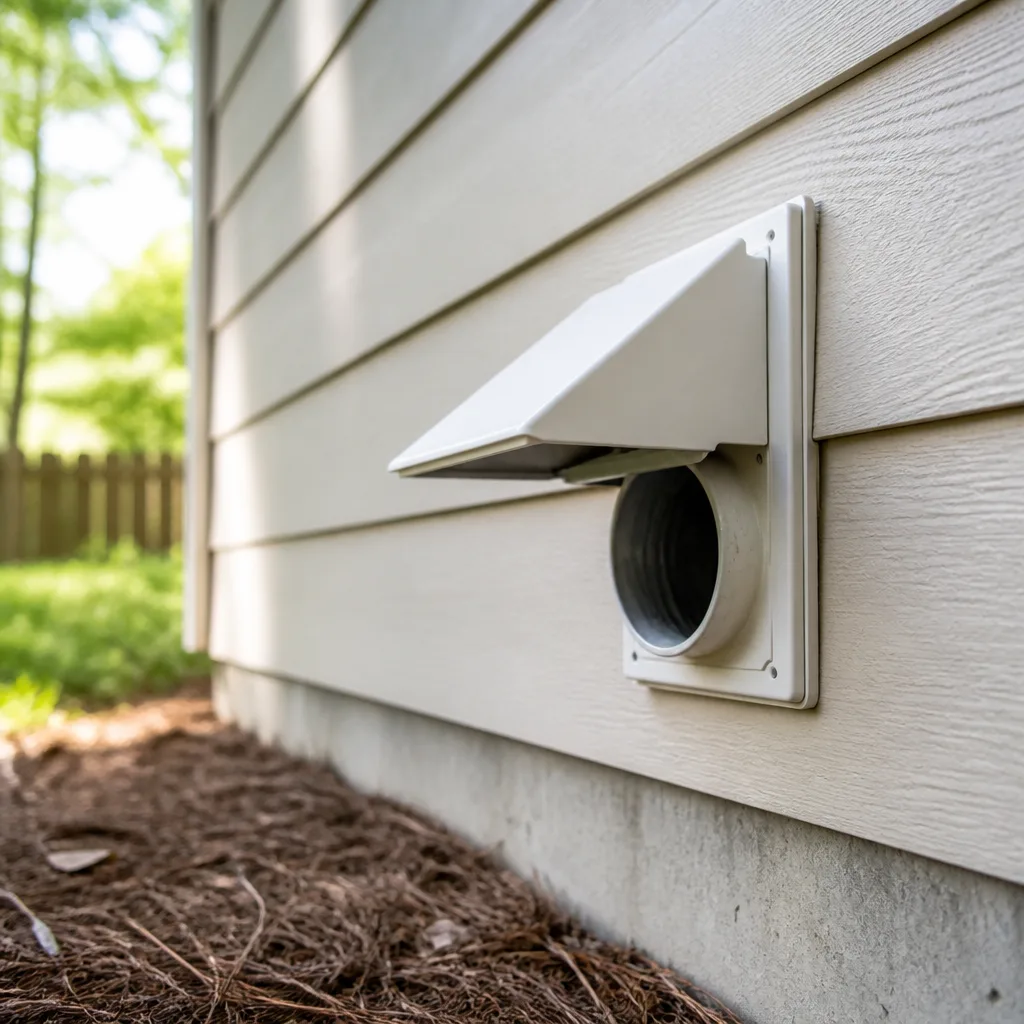 Dryer vent cleaning
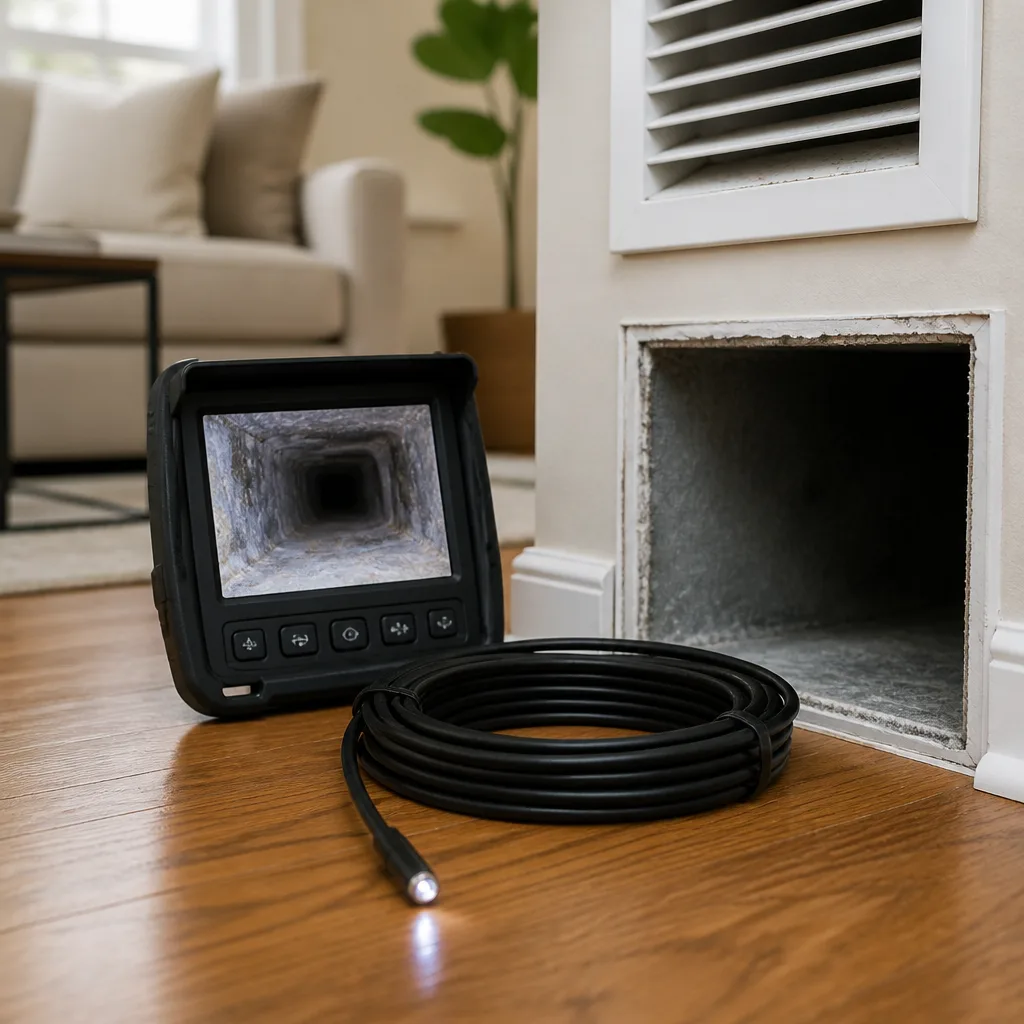 Camera inspection
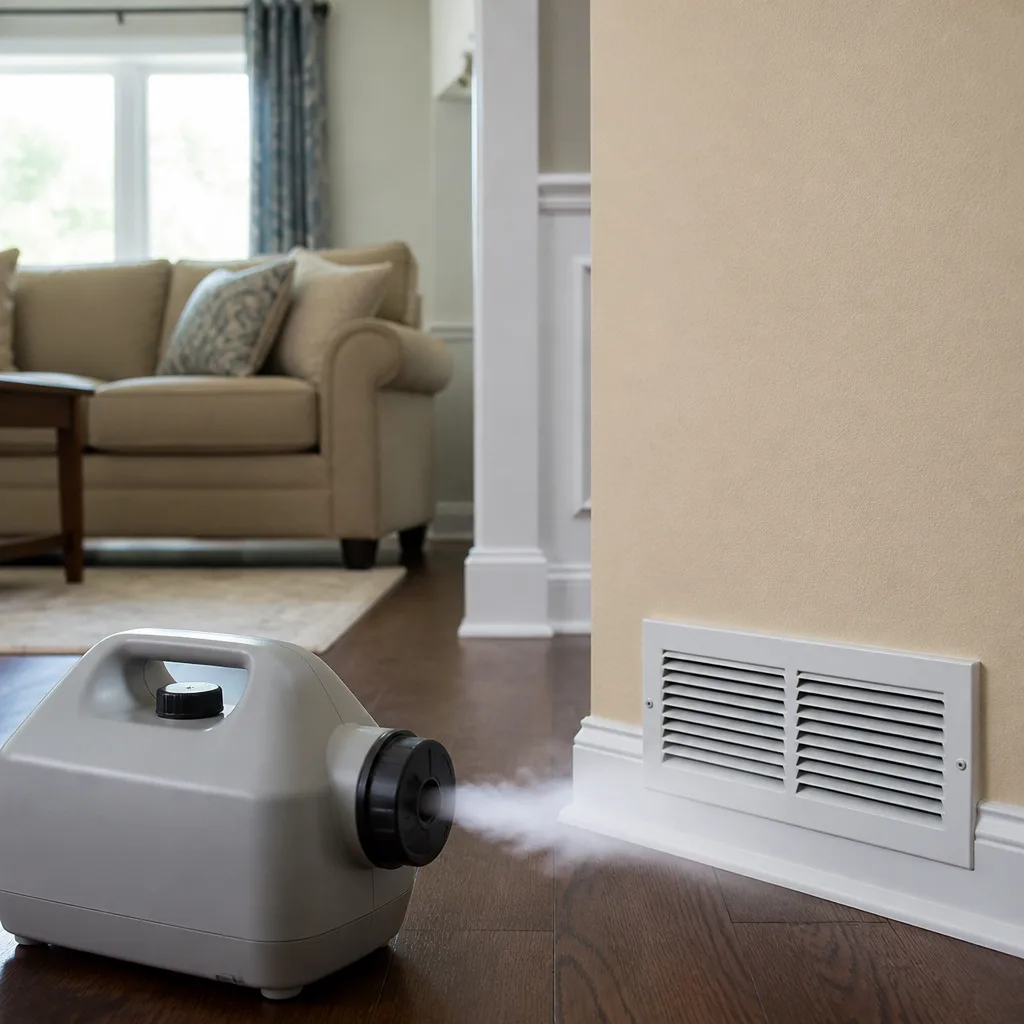 Sanitizing & deodorizing
Whole-system duct and dryer vent check with before-and-after photos - you see exactly what came out of your vents
That "$99 whole-house special" is a bait ad - the real number appears once they are in your hallway, or the "clean" is a shop-vac at the register. We photograph the inside of your ducts before and after instead.
DIY vs Professional Air Duct Cleaning: The Placentia Homeowner’s Decision Guide
Here’s the part most cleaning advice skips: a shop vac attached to a dryer vent brush can knock loose debris from the inside of a duct wall. What it can’t do is pull that debris toward a HEPA collector while keeping it contained. Without negative pressure holding the dust in one direction, you’ve moved contamination, not removed it. That distinction – the physics of extraction, not the effort involved – is what separates a DIY attempt from a real cleaning. This guide covers what professional equipment actually does, which jobs you can legitimately handle yourself, where DIY makes things genuinely worse, and how to judge whether your Placentia home even needs a full cleaning.
Quick Answer
Most Placentia homeowners can handle filter changes, register cleaning, and visual inspections themselves. A full duct cleaning is a professional job because consumer vacuums can’t generate the negative pressure needed to extract debris without redistributing it into your living space. If your ducts haven’t been cleaned in years, run in a house with recent renovation dust, or show visible debris at the registers, it’s time for equipment you can’t rent at a hardware store.
Styles & brands we work with
- Whole-home duct cleaning
- Dryer vent cleaning
- Camera inspection
- Sanitizing & deodorizing
Table of Contents
- Why Duct Cleaning Is a Physics Problem, Not an Effort Problem
- What You Can Legitimately DIY in Your Placentia Home
- Where DIY Makes Contamination Worse
- Warranty and Liability: What DIY Duct Work Can Cost You
- How to Tell If You Actually Need a Cleaning
- How to Evaluate a Professional Quote
- What a Professional Cleaning Actually Involves
- Common Mistakes to Avoid
Why Duct Cleaning Is a Physics Problem, Not an Effort Problem
Duct cleaning works on the same principle as a vacuum cleaner’s nozzle: a pressure differential moves air, and the moving air carries the debris. The difference is scale and containment. A professional duct cleaning system is built to maintain negative pressure across the entire duct run, which means the air in your ducts is being pulled toward a collection point rather than pushed into rooms.
The two numbers that determine whether extraction actually happens are CFM (cubic feet per minute, the volume of air moved) and static pressure (the resistance the system can overcome). Consumer vacuums aren’t rated for either at the levels duct cleaning demands. Truck-mount and high-capacity portable units used by professional companies are designed with ratings far beyond shop-vac territory, because duct runs have length, elbows, transitions, and flex sections that create significant resistance. Lose the pressure and you’re just agitating dust inside a closed space.
The equipment brands matter because the ratings are engineered into the design. Rotobrush systems pair high-CFM vacuum units with rotating brush whips sized to the duct, so the mechanical agitation and the extraction happen simultaneously. Nikro builds negative-air machines that keep debris moving in one direction. Abatement Technologies equipment, which is associated with professional containment and negative-air processes, signals a remediation-grade standard rather than simple vacuuming. When we clean ducts in Placentia, those are the tools on the job because the physics demands them.
- CFM determines how much air can be moved through the duct system. Higher CFM means debris is pulled, not merely loosened.
- Static pressure determines whether the vacuum can overcome the resistance of a long, complex duct run. A short hose on a shop vac can’t hold pressure through 30 feet of flex.
- Containment determines whether the debris you’ve dislodged stays in the collection system or ends up in the room. Negative air systems keep it on the vacuum side.
That’s the whole argument in a paragraph. Think of it less as how hard you scrub and more as whether the room you’re scrubbing in is sealed to a machine that can pull the debris out. In Placentia’s older single-story homes, with duct runs in the attic and flex transitions at the air handler, that pressure differential is exactly what keeps the dust from blowing back into the ceiling cavity or through the supply registers.
What You Can Legitimately DIY in Your Placentia Home
We don’t want to overstate this. Plenty of routine air quality work belongs in the homeowner’s hands, and skipping it is what creates most of the need for a professional cleaning in the first place. Here’s where a homeowner with basic tools genuinely does fine.
- Replace the HVAC filter. Check the filter size printed on the furnace or air handler door, and swap it on the schedule the manufacturer recommends. A clogged filter forces the system to work harder and lets more debris bypass the filter media.
- Clean the supply and return registers. Pop off the grille and wipe down the visible edges with a damp cloth. A mild soap solution handles the film that builds up on the metal face. This is surface cleaning, not duct cleaning, and it makes a real difference to how the room feels.
- Visually inspect accessible plenum areas. With the system off, shine a light into the return plenum or the section of duct directly behind the air handler where it’s safe to reach. Look for obvious debris buildup, disconnected joints, or moisture. Don’t reach into the duct with a brush or tool – just look.
- Keep the condensate drain clear. In Placentia’s dry summers, the air conditioner runs hard, and a clogged condensate line can put moisture into the air handler area, which invites biological growth. Flush the drain line with water and check the pan.
- Seal obvious leaks at the register boot. Foil tape or mastic at the joint where the duct meets the ceiling boot is a reasonable homeowner fix. Skip this around gas lines or electrical panels, which are professional territory.
- Upgrade the filter media. A MERV-rated filter upgrade is the single most cost-effective air quality improvement a homeowner can make, provided the system can handle the added resistance.
Those six steps cover filter replacement, register maintenance, and access-limited visual inspection. They also tell you whether a professional cleaning is warranted – if the registers look clean and the filter is doing its job, your Placentia home may not need a full cleaning at all. If the registers are loaded with dust and the return plenum looks fuzzy, you’ve found your answer.
For filter upgrades or a duct inspection, call air duct cleaning professionals who can assess the whole system rather than sell you a cleaning you don’t need. That’s the difference between maintenance and a sales pitch.
Where DIY Makes Contamination Worse
DIY duct attempts don’t fail quietly. When the pressure and containment aren’t there, the work itself redistributes what’s already in the system, sometimes into rooms that were previously clean. There are three failure modes we see most often in Placentia homes.
Flex duct puncture
Flexible duct is common in the attic runs of Placentia’s ranch homes. A dryer vent brush shoved into a flex run at the wrong angle can catch the inner liner and tear it, creating a leak into the attic cavity. Once that liner is compromised, the duct is losing air every time the system runs, and the repair becomes a duct replacement rather than a cleaning. Flex duct liner repairs are not a home fix because the seam integrity matters to the pressure test.
Debris dislodged into the air handler
If you brush the return plenum with a shop vac without containing the debris, the dust falls downward. That means it falls into the air handler’s blower compartment, onto the evaporator coil, or into the return drop. The blower and coil are both sensitive to dust accumulation – a fouled evaporator coil loses efficiency and can foster growth. In a Placentia home running the AC most of the warm months, that’s a real efficiency loss and a potential maintenance call that costs more than the cleaning you were trying to avoid.
Disturbed mold without containment
If the ductwork has visible biological growth, the safest rule is don’t touch it. Disturbing settled mold without a containment and negative air setup releases spores into the airstream and into the room. Remediation-grade equipment, not a shop vac, is what handles that situation safely. We use Abatement Technologies containment equipment for exactly this reason, and we follow up with Guardsman-backed sanitizing treatments when biological concerns come up. This is a safety line, not an upsell.
The broader principle: anything you dislodge needs somewhere to go. If the “somewhere” is your living room, that’s a failed cleaning even if the duct looks cleaner right after.
Warranty and Liability: What DIY Duct Work Can Cost You
If your HVAC equipment is still under the manufacturer’s warranty, this section matters more than the cleaning budget. Most HVAC manufacturers require installation and system modifications to be performed by a qualified professional to preserve warranty coverage, and duct work sits inside that requirement. A DIY repair that punctures flex duct, disturbs a sealed plenum, or leaves a disconnected joint can complicate a warranty claim on the system itself.
The second layer is homeowner liability. If a disconnected duct causes water intrusion, mold growth, or a fire hazard through a compromised gas appliance vent, the homeowner is on the hook. Professional duct repair and sealing is a genuine trade – the joints, mastic, and mechanical fasteners are meant to hold for the life of the duct. A gap you seal with duct tape may look fixed for a month and quietly reopen.
This is where we’ll note plainly that duct repair and sealing is done in-house by a professional crew, not subcontracted. Accountability and scheduling stay under one roof, and the repair is documented the same way the cleaning is. For Placentia homeowners still under warranty, the safest sequence is: check the warranty language first, get a written estimate, and keep the record.
If the duct situation is unclear, HVAC cleaning performed by an experienced technician will identify compromised ductwork on the same visit, which is a different outcome than reporting a problem and leaving.
How to Tell If You Actually Need a Cleaning
Not every home needs a full duct cleaning. This is the part of the conversation the industry often skips, because a cleaning is a bigger sale than filter work. But the honest answer is that most Placentia homes in good repair do fine on register maintenance and filter upgrades for a long stretch. Here’s what actually signals a job that’s bigger than DIY.
- Visible debris at the registers. Pop one off and look. If you can see dust fur on the inside of the duct, the dust has accumulated past the filter’s capacity to hold it back.
- Recent renovation dust. Any home that has had drywall work, flooring replacement, or a kitchen or bath remodel in the last year has fine construction dust circulating. That dust settles in the duct lining and needs extraction, not a wipe-down.
- Pest activity in the ductwork. Droppings, nesting material, or a musty odor at the register is a professional job, and in the case of droppings, a containment-and-sanitizing job.
- Persistent allergies or respiratory symptoms that improve away from home. If it points to the air system, a cleaning plus filter upgrade is a reasonable next step, with a doctor’s input on the medical side.
- Visible mold growth in the duct or on the air handler. That’s a stop-here-and-call situation. No homeowner should attempt this with a brush and a shop vac.
- Uneven airflow or a duct that won’t hold pressure. This points to disconnected or leaking ductwork, which is a repair job, not a cleaning job.
The one scenario Placentia homeowners should not ignore: a home that has been vacant or closed up through a hot inland summer. Stagnant air and heavy AC use create a different dust and moisture pattern than an occupied home. One visual inspection at the return plenum will tell you a lot. If it looks fuzzy, get a quote. If not, upgrade the filter and move on.
How to Evaluate a Professional Quote
Duct cleaning has a reputation problem, and it’s earned. The bait-and-switch pattern – a low coupon price that becomes a much larger invoice once the technician is on site – is common enough that you should treat any per-vent price as a warning sign. A real cleaning is priced per system, not per register, because the work happens in the plenum and trunk, not at the grille.
Here’s what a quote should include to be worth taking seriously.
- A whole-system flat price, in writing, agreed before work starts. No per-vent number, no surprise add-ons, no “we’ll see what we find” pricing.
- The equipment brands named. A serious company will tell you whether they’re running Rotobrush, Nikro, or Abatement Technologies, because the equipment is the mechanism. If the quote doesn’t name the equipment, ask.
- Before-and-after photos of your own ducts. Not stock images. Photos of the return plenum and the ducts in your home, before and after. That’s how you know the work was actually done.
- A written scope covering every service category. Cleaning, dryer vent inspection, HVAC system components, duct repair and sealing if needed, and sanitizing if conditions call for it. All five should be on the same visit if the home needs them, not sold separately.
- Sanitizing products identified. If sanitizing is part of the scope, ask what’s being applied. Guardsman-backed treatments provide documented antimicrobial protection, and known brands are preferable to unnamed chemicals.
- For duct repair, an in-house crew. Ask whether the repair team is direct or subcontracted. The answer affects timing and accountability.
- A clear statement that the written estimate sets the final price. If the price can change after the work begins, that’s not an estimate; that’s an opening offer.
For a full picture of the system, Placentia Air Duct Cleaning Co quotes a whole-system price so there’s no ambiguity about what the visit covers. It’s worth asking any company you call the same question.
What a Professional Cleaning Actually Involves
If you’ve never watched a full cleaning, here’s the sequence. The specifics vary by home, but the general flow is consistent.
- Inspection and assessment. The technician inspects the air handler, supply and return plenum, accessible duct runs, and registers. This is where duct repair needs, disconnected joints, and moisture problems surface.
- Containment setup. Negative air equipment is staged to hold pressure across the duct system and keep debris moving toward the collection point. This is the step that makes the rest of the work safe.
- Agitation and extraction. Rotating brushes loosen material from the duct walls while the vacuum unit maintains extraction. The brush and the vacuum run together; brushing without extraction only redistributes.
- Component cleaning. The blower, evaporator coil, and drain pan are cleaned as part of a full-system job. Cleaning the ducts without cleaning these components leaves dust in the airstream, so it belongs in the same visit.
- Duct repair and sealing, if needed. Any compromised joints, punctured flex, or disconnected runs identified in step one are repaired on the same visit. This is why we flag the “we repair what we find” gap in most quotes – a cleaning company without repair capability leaves you calling a second contractor.
- Sanitizing. Following cleaning and repair, a Guardsman-backed antimicrobial treatment can be applied to the duct surfaces, with documented protection for what’s been cleaned.
- Before-and-after documentation. Photos of the return plenum, the air handler, and the duct runs, taken before and after. This is the record.
If the dryer vent is part of the home’s system, dryer vent cleaning fits into the same visit. Lint accumulation in a dryer vent is a fire risk and a separate duct system from the HVAC, and it needs the same extraction tools. Placentia homes with the dryer in an interior laundry room typically have long vent runs, which is exactly where lint accumulates.
When the home needs air quality improvements beyond cleaning, the gap between cleaning and long-term air quality is closed with product installs – Honeywell and Aprilaire are the brands we supply and install. Filter upgrades, media cabinets, and humidity control are the durable layer that keeps the duct from refilling with the same problems. “Better air starts with what you can’t see” isn’t a slogan; it’s the reason the equipment matters more than the visible vent.
Common Mistakes to Avoid
- Treating a per-vent quote as a real price. Per-vent pricing is the structure behind most bait-and-switch complaints. A whole-system flat price agreed before work starts is the only quote worth comparing. If the number moves after the technician arrives, walk away.
- Sticking a dryer vent brush into flex duct. The inner liner tears on contact with the wrong brush angle. That converts a $ cleaning into a duct replacement, and in a Placentia home with attic flex runs, it’s a common DIY casualty.
- Running a shop vac at a return register. A shop vac pulls debris toward a filter; it doesn’t contain it across a duct run. The fine dust ends up in the room. Run it at the register and you’ve moved the contamination, not removed it.
- Ignoring the air handler while cleaning the ducts. A clean supply duct feeding a dusty blower and evaporator coil doesn’t improve air quality. The full system is the unit of cleaning, not the visible ducts.
- Disturbing visible mold without containment. If you can see growth in the return plenum, the safe move is to leave it sealed and call. Disturbing it without negative air spreads spores into the room and into the rest of the system.
- Choosing a cleaner before confirming they can repair. Any cleaning will turn up duct problems. A company without repair and sealing capability will report the issue and leave. Look for in-house repair capability before you book the cleaning.
- Assuming every home needs a cleaning. Plenty don’t. Register maintenance and a filter upgrade handle most homes in good repair, and skipping the upgrade to pay for a cleaning you didn’t need is the more expensive mistake.
See the difference
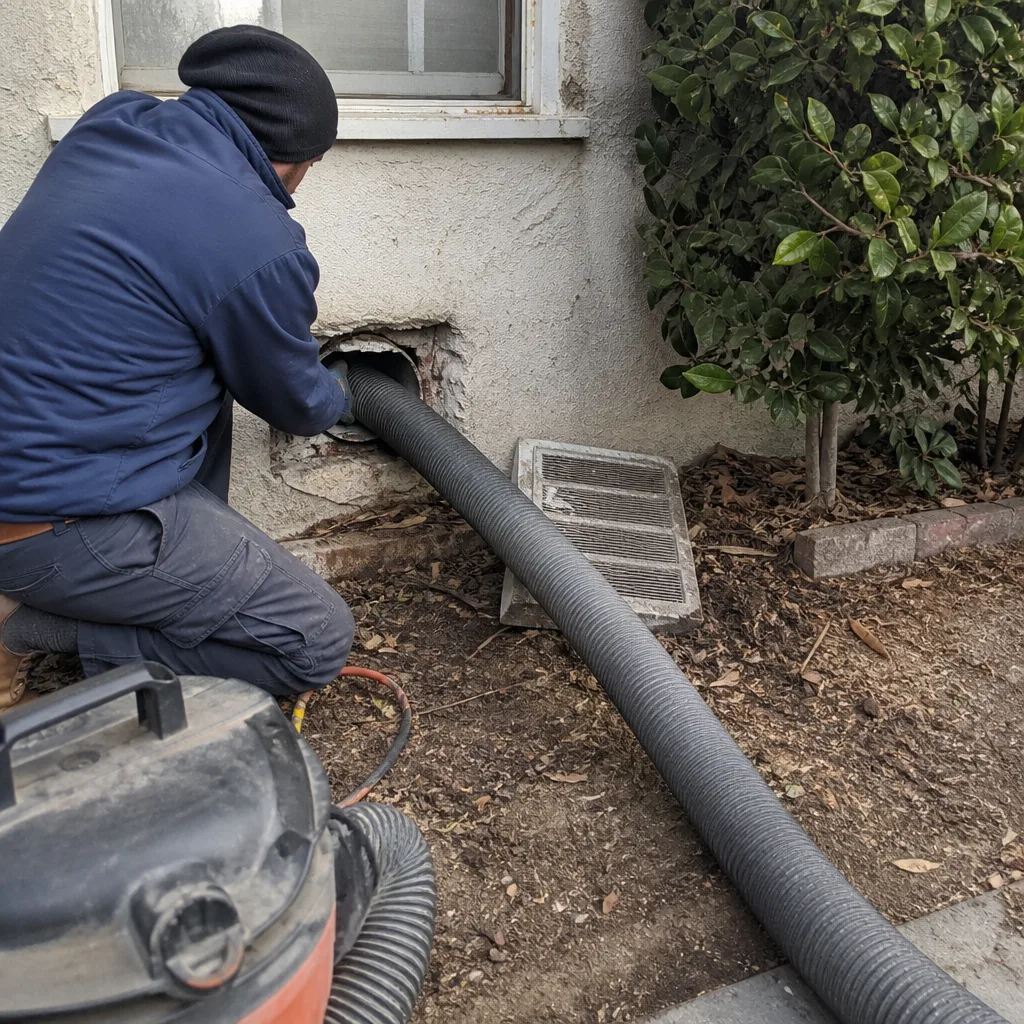 Before
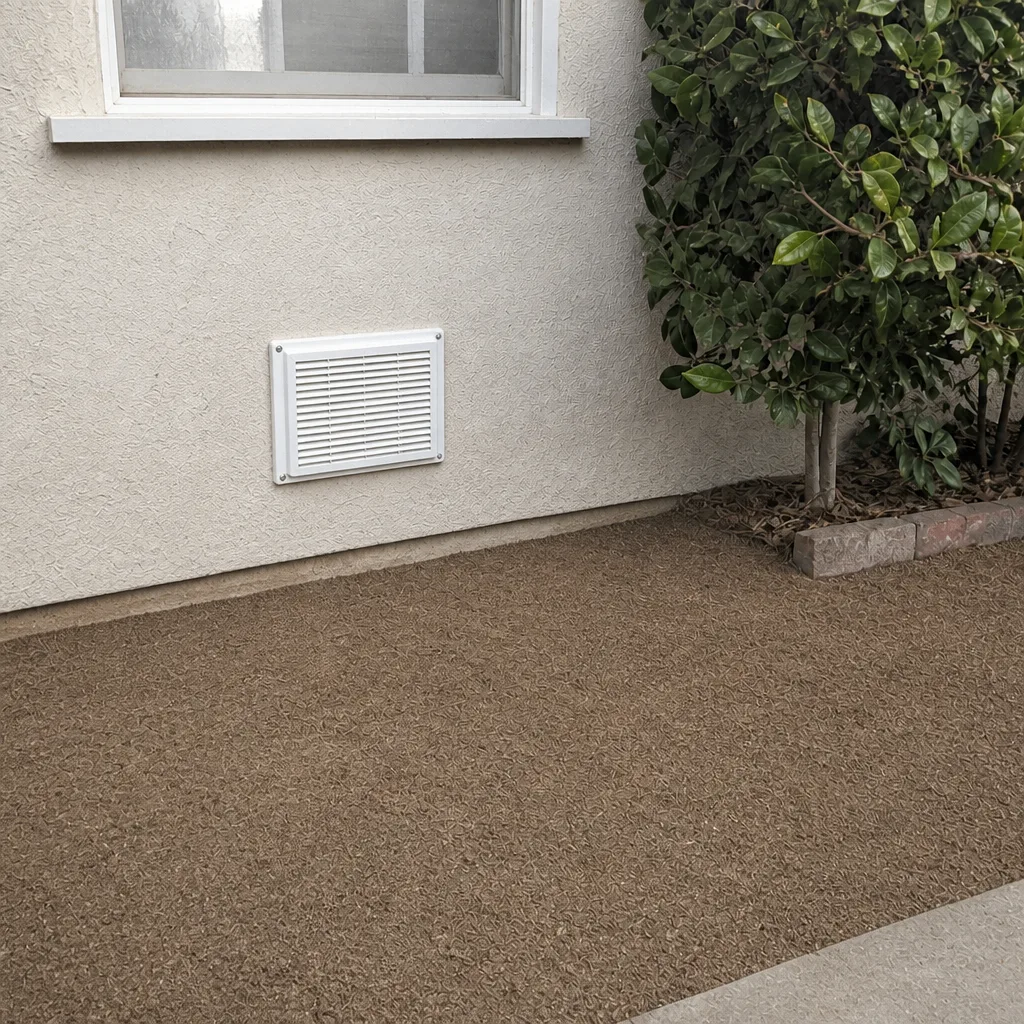 After
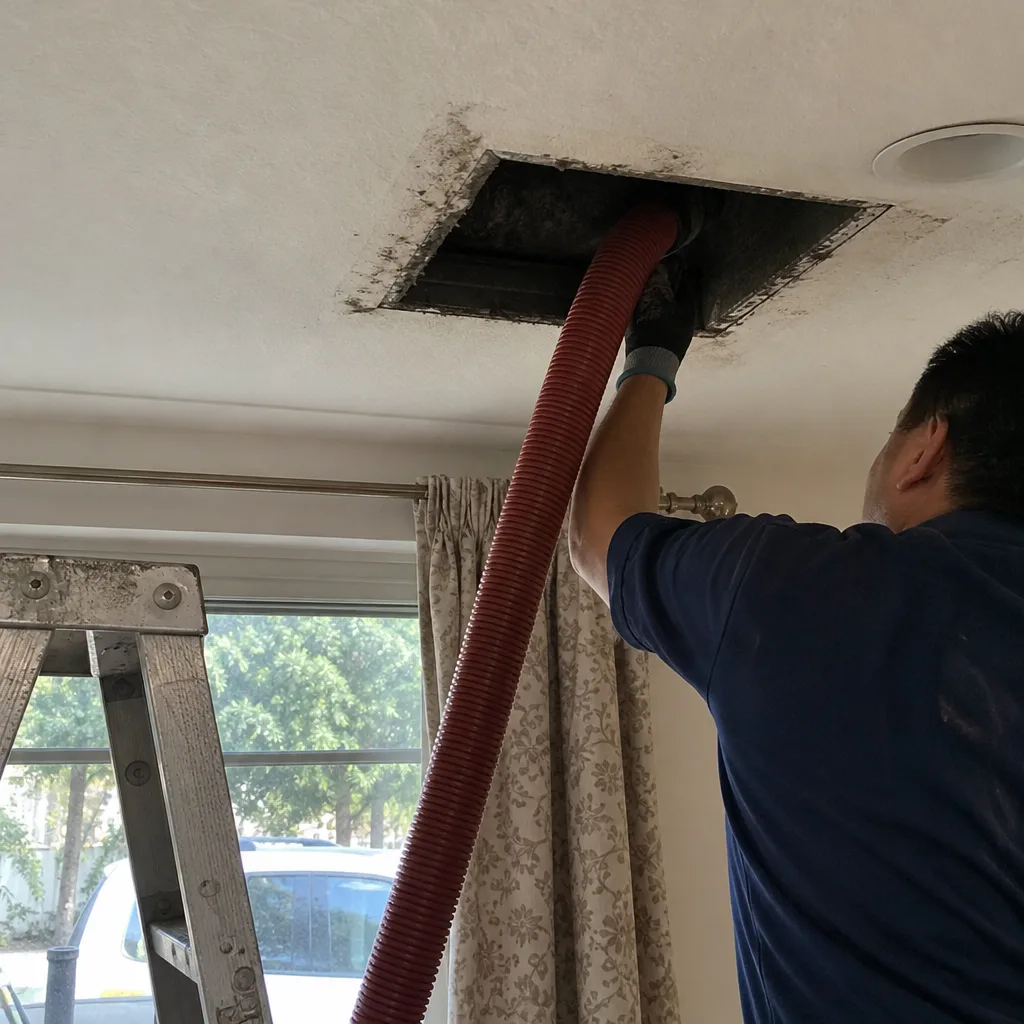 Before
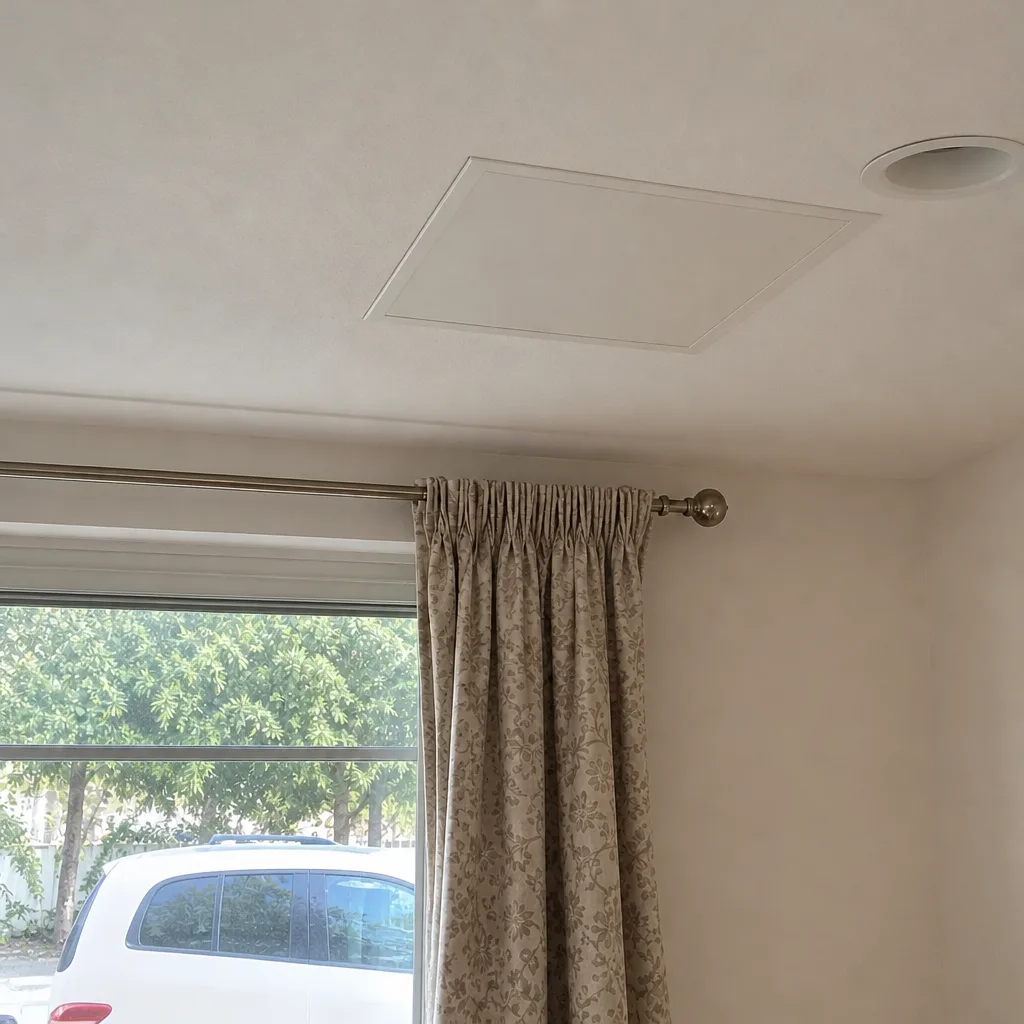 After
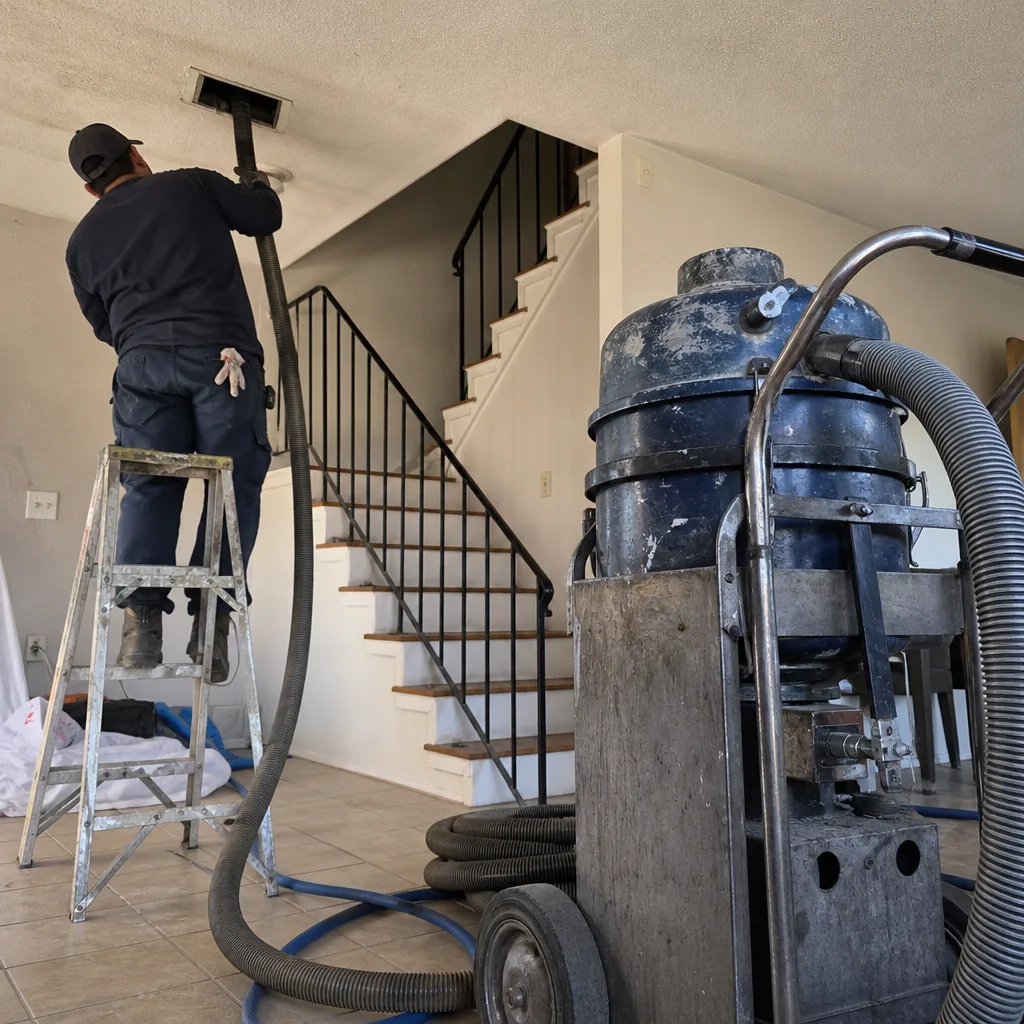 Before
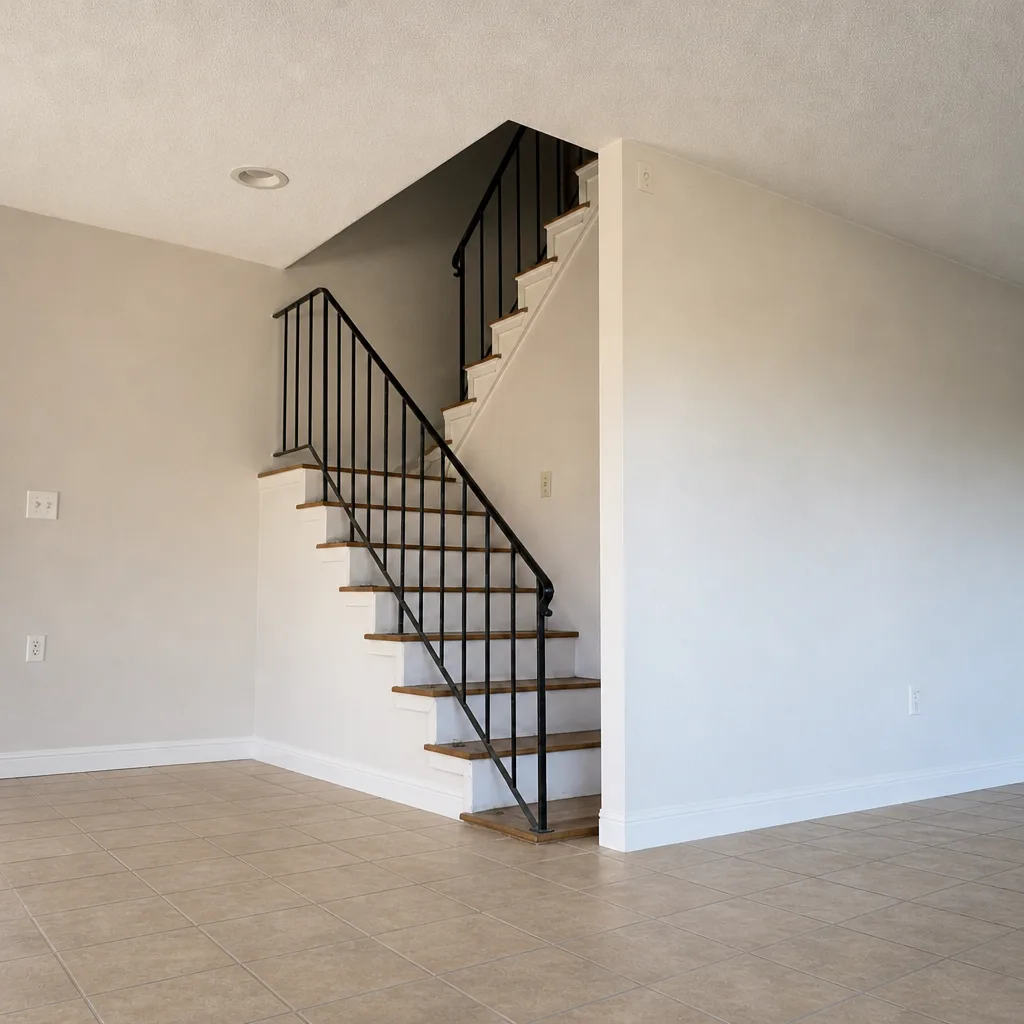 After
When to Call a Professional
Call a professional when the ductwork has visible debris, recent renovation dust, pest activity, visible mold, or a return plenum that looks fuzzy on inspection. Call when a warp in the ducting has opened a joint or the airflow through a room has dropped. And call if the home is under HVAC manufacturer warranty and you’re considering a repair – the warranty implications of DIY work aren’t worth the risk. Placentia Air Duct Cleaning Co offers free estimates in Placentia. Call (833) 545-4372. We answer 24/7. Fast dispatch from 7am to 7pm, Sunday through Friday.
Frequently Asked Questions
We don’t quote teaser prices, because duct cleaning is priced per system, not per vent. The range depends on the number of air handlers, the duct layout, and whether repair and sealing are part of the job. A written estimate, free, is the only honest way to give a number. Call (833) 545-4372 for an exact quote – estimates are free.
Because the low number is a per-vent teaser and the real invoice arrives once the technician is on site, often with add-ons that were always going to be part of the job. The low quote doesn’t mean the work is cheaper; it means the price wasn’t quoted yet. Ask for a whole-system flat price in writing and compare on that basis – it’s the only number that means anything.
Yes, in two specific ways. The suction can pull flexible duct liner away from its seam and collapse interior elbows, and the dislodged debris ends up in the blower or the evaporator coil when it isn’t contained. Flex duct in a Placentia attic is especially vulnerable. A shop vac at the register is not a smaller version of a professional cleaning – it’s a different machine doing a different thing.
Before-and-after photos of your own ducts. Not stock images, not a printed “after” picture from a catalog – your return plenum, your air handler, your duct runs. That’s the standard we work to, and it’s the standard you should ask for from any company. If the quote doesn’t include it, ask why.
For most homes in good repair, the answer is not on a strict schedule. Filter changes and register cleaning handle routine maintenance. A cleaning makes sense after renovation, after pest activity, on homes with persistently dusty registers, or after years of AC use with a neglected filter. A visual inspection at the return plenum is the honest way to decide, and we’re happy to do it as part of an estimate.
Negative-pressure containment, high-CFM extraction, and the ability to repair and seal ductwork on the same visit. Our technicians use Rotobrush and Nikro equipment built for duct cleaning, and we run Abatement Technologies containment on every job. The Guardsman-backed sanitizing treatment applied post-cleaning is also a professional product. Those are the pieces a homeowner can’t replicate – not the effort, the engineering.
Some manufacturer warranties require professional installation or service for covered modifications, and duct work falls in that category. Read the warranty language before any repair, and if it’s not clear, get a professional to do the repair and keep the receipt. That’s a far less expensive step than investigating a claim after the fact.
The Bottom Line
DIY and professional duct cleaning aren’t different versions of the same job. One moves contamination, the other removes it, and the difference is negative pressure, not effort. Handle filter changes, register cleaning, and visual inspections yourself – those steps keep most homes out of the loop. Call a professional for the full system, especially when the ducts show visible debris, mold, or renovation dust, or when the warranty picture is unclear. When you need the full pathway – cleaning, dryer vent, HVAC, repair and sealing, sanitizing – one call covers it all. Call (833) 545-4372 for a free estimate. We answer 24/7. Fast dispatch from 7am to 7pm, Sunday through Friday.
Written by the team at Placentia Air Duct Cleaning Co.