
Last updated November 20, 2026
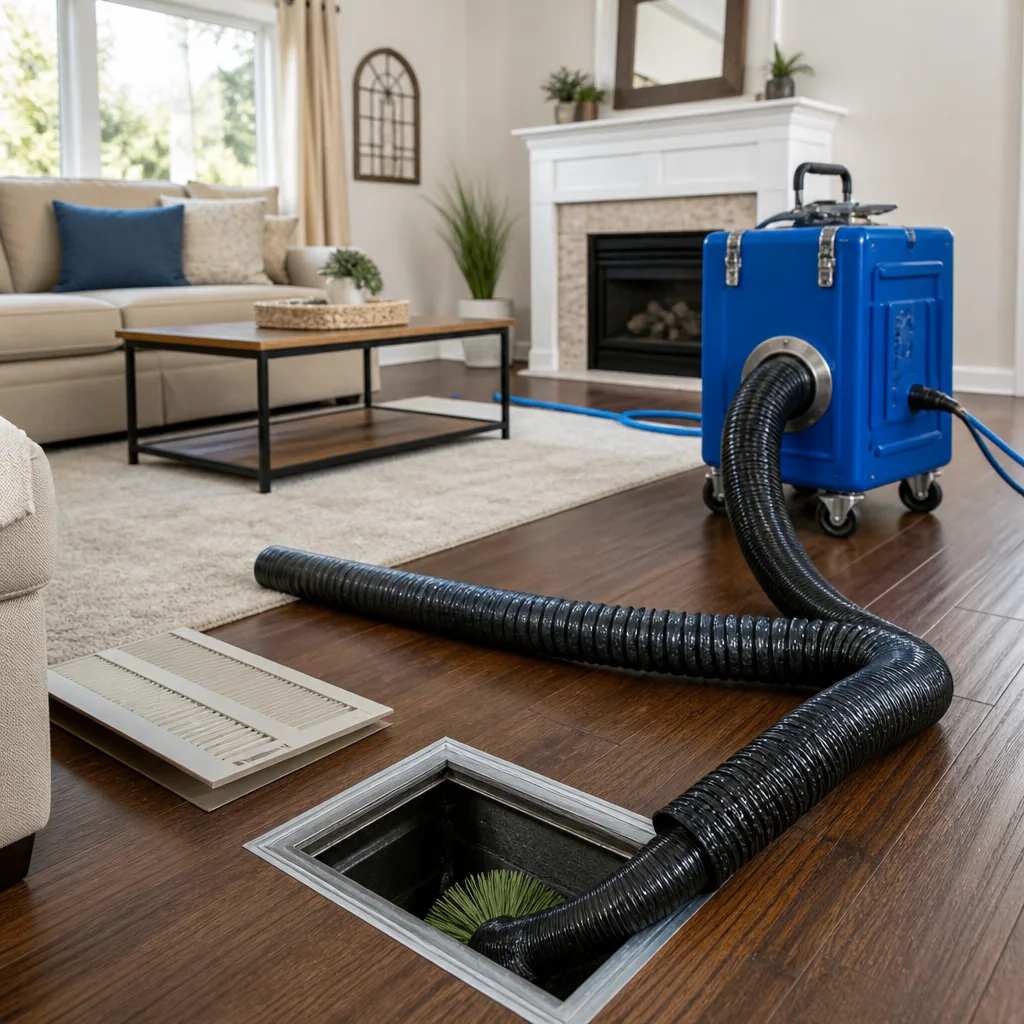 Whole-home duct cleaning
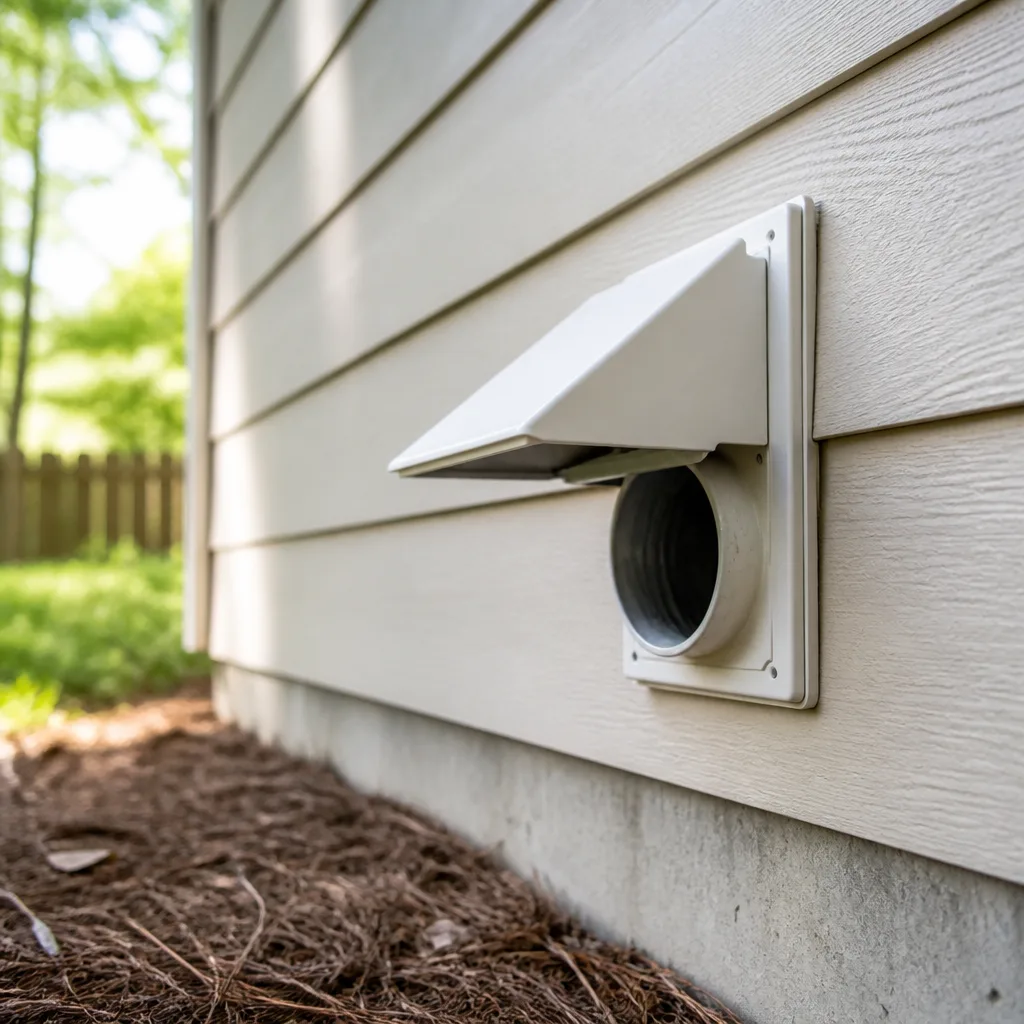 Dryer vent cleaning
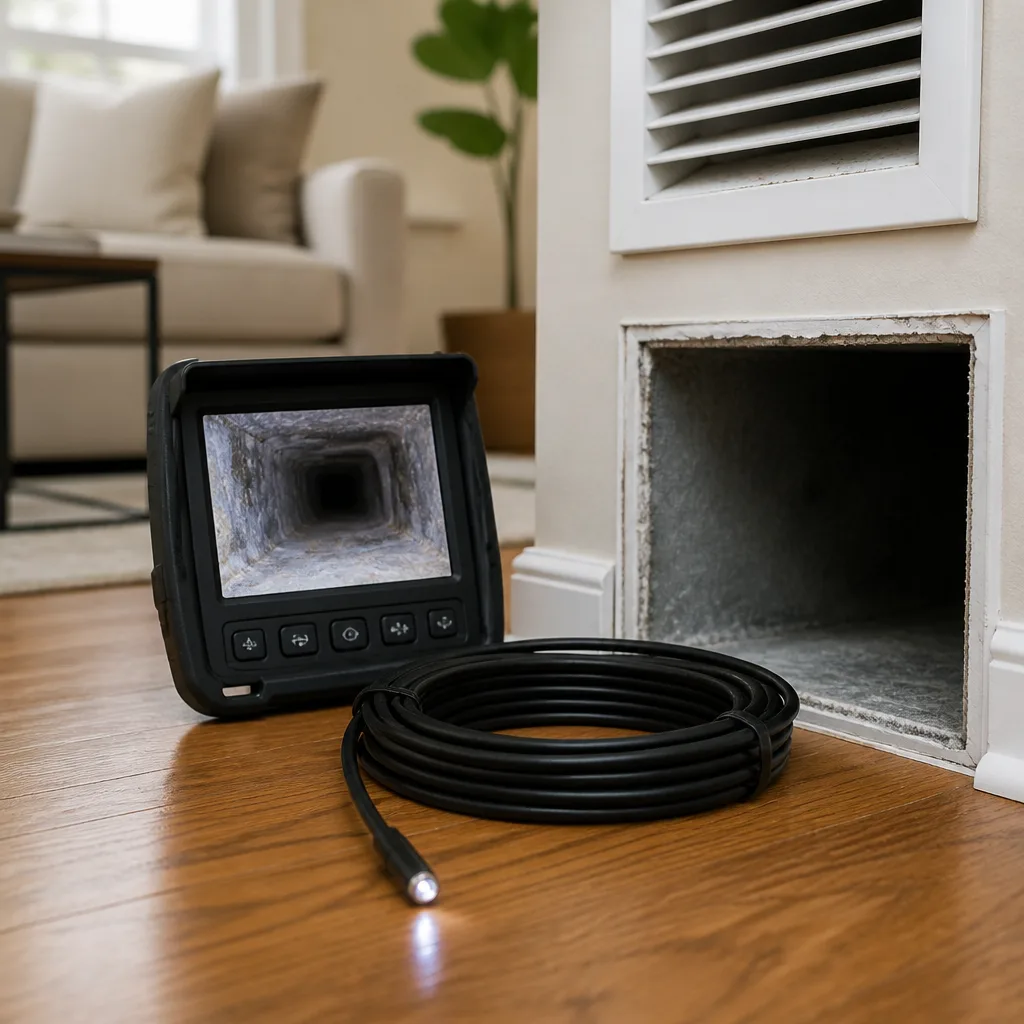 Camera inspection
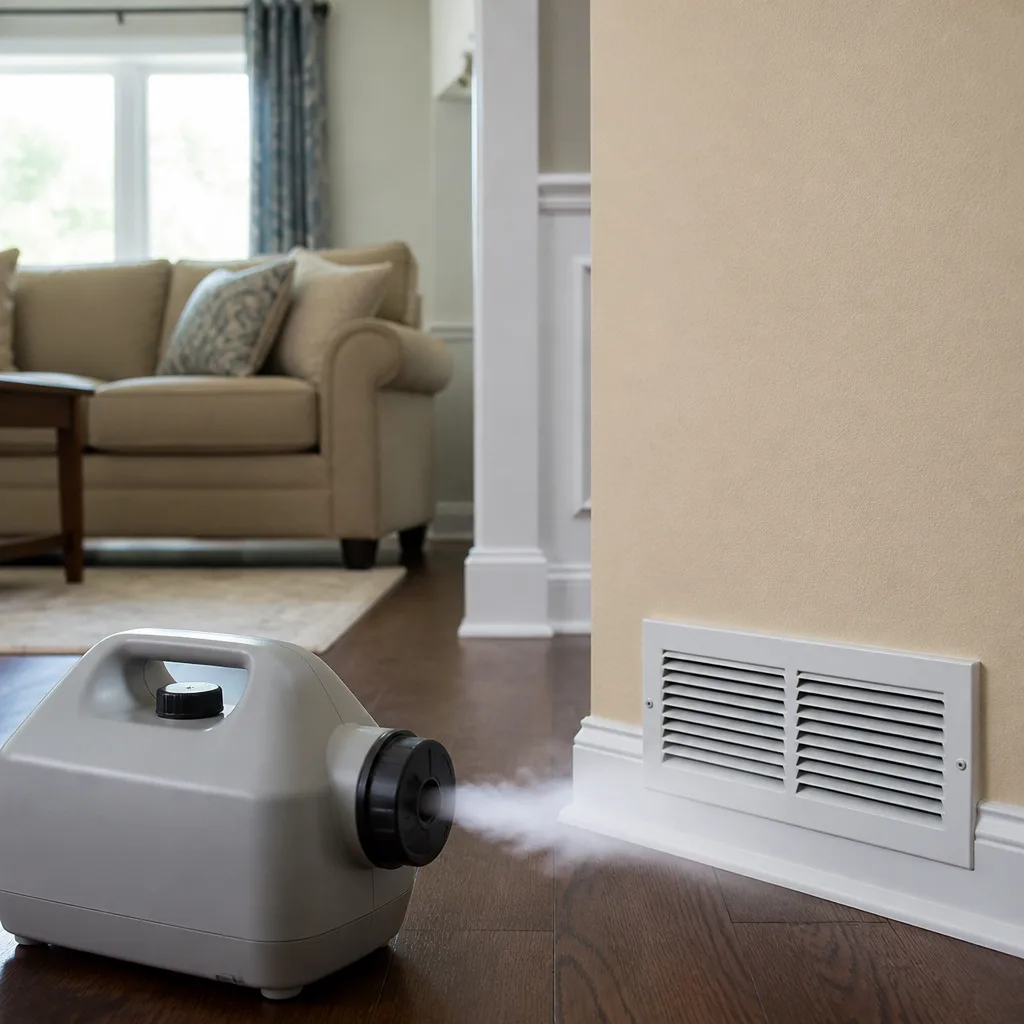 Sanitizing & deodorizing
Whole-system duct and dryer vent check with before-and-after photos - you see exactly what came out of your vents
That "$99 whole-house special" is a bait ad - the real number appears once they are in your hallway, or the "clean" is a shop-vac at the register. We photograph the inside of your ducts before and after instead.
The Complete Guide to Air Duct Cleaning in Placentia
Most duct cleaning advice you’ll read treats your ductwork as one long tube that needs a good vacuuming. That misses the real picture. In Placentia, the air in your home passes through a system – supply runs, return ducts, the return-air plenum, the evaporator coil, and the drain pan – and each part collects a different kind of debris at a different rate. Clean one section and skip another, and you can actually stir more particulate into the air than you pull out. This guide explains how a full Placentia duct system really gets dirty, what professional-grade cleaning involves, and how to tell a job was done right. No scare tactics. Just how the work goes.
Quick Answer
Air duct cleaning in Placentia means cleaning the entire air pathway – supply and return ducts, the plenum, the coil, and the drain pan – using negative-pressure containment and HEPA-filtered professional equipment so dislodged debris leaves the system instead of recirculating. A thorough job is measured in hours and verified afterward, not announced with a quick wave of a shop vacuum at the vent covers. The goal is removal and containment, not a surface dusting you can’t see the results of.
Styles & brands we work with
- Whole-home duct cleaning
- Dryer vent cleaning
- Camera inspection
- Sanitizing & deodorizing
Table of Contents
- Why Placentia’s Air Makes Duct Debris Different
- Clean the System, Not Just the Vents
- How Negative Pressure and HEPA Filtration Protect Your Home
- 1960s Tract Homes vs. Newer Construction: Two Very Different Duct Problems
- What Professional-Grade Equipment Actually Looks Like
- What a Full Cleaning Visit Involves, Step by Step
- How to Verify the Work Was Actually Done
- How Often Placentia Homes Really Need Duct Cleaning
Why Placentia’s Air Makes Duct Debris Different
Placentia sits in a part of Southern California that spends most of the year dry, warm, and full of airborne particulate. That combination doesn’t clean your ducts – it loads them. When humidity is low and the air carries dust, pollen, and the fine grit that comes with living in a valley surrounded by development, your HVAC system becomes the biggest filter in the house. Every time the blower runs, it pulls that mix in through the return and pushes it through the supply side.
Here’s where Placentia differs from the coastal cities to the west. In a damper climate, dust tends to clump and settle because moisture gives particles weight. In Placentia’s drier air, the same particles stay light and keep moving. They don’t settle neatly in the bottom of a duct run – they coat the walls, cling to the coil, and stay suspended long enough to be picked up again on the next cycle. That’s a meaningful difference for how debris accumulates and how it has to be removed.
Three local factors shape what we find in Placentia ductwork:
- Dry, particulate-heavy air. Light dust and pollen stay airborne longer, so they penetrate deeper into the system before they drop out.
- Long cooling seasons. The system runs more months of the year than in most of the country, which means more air cycles through the ducts and more debris deposited per year.
- Older housing stock and ongoing renovation. Placentia has a lot of mid-century neighborhood homes alongside newer builds, and remodeling dust from either kind of home travels straight into the return.
None of this means every Placentia home is overdue for cleaning. It means the accumulation pattern here is drier, lighter, and more mobile than in cooler or wetter regions – which raises the importance of containing debris during cleaning rather than just loosening it. If you want the service-specific detail on how this plays out room by room, see our air duct cleaning page.
Clean the System, Not Just the Vents
This is the point most guides skip. A duct cleaning that addresses only the visible supply registers can push contamination into places you never look. The air in your home doesn’t travel in one direction from a vent to a room – it circulates through a closed loop. Treating part of that loop in isolation redistributes the problem.
Think of it as one connected pathway rather than five separate jobs:
- Return-air ducts and grilles – where the system first pulls air back in. These typically carry the heaviest load because they’re the intake.
- The return-air plenum – the large transition box between the return trunk and the air handler. It’s often the most neglected section and the one most likely to hold settled debris.
- The evaporator coil – the wet, finned component where air is conditioned. A dusty coil cuts efficiency and can grow biological material if it stays damp.
- The drain pan – where condensate collects. Debris and standing moisture here create conditions the rest of the system then distributes.
- Supply ducts and registers – the delivery side, which pushes conditioned air into every room.
When a crew cleans only the supply side and leaves the return plenum and coil untouched, the system’s own airflow can lift that leftover material and spread it back through the home. That’s the redistribution problem, and it’s why the full pathway has to be treated as a single unit in one coordinated visit. This whole-system approach is central to how we work, and it’s the reason we handle HVAC components under the same roof rather than handing you off to a second contractor. Our HVAC cleaning service covers the coil, plenum, and air handler side that duct-only work leaves out. Better air starts with what you can’t see.
How Negative Pressure and HEPA Filtration Protect Your Home
The single biggest risk in duct cleaning isn’t the cleaning itself – it’s what happens to the debris once it’s dislodged. Loosen a decade of dust without containing it and you’ve simply moved it into your living room air. That’s why professional jobs rely on negative-pressure containment and HEPA filtration working together.
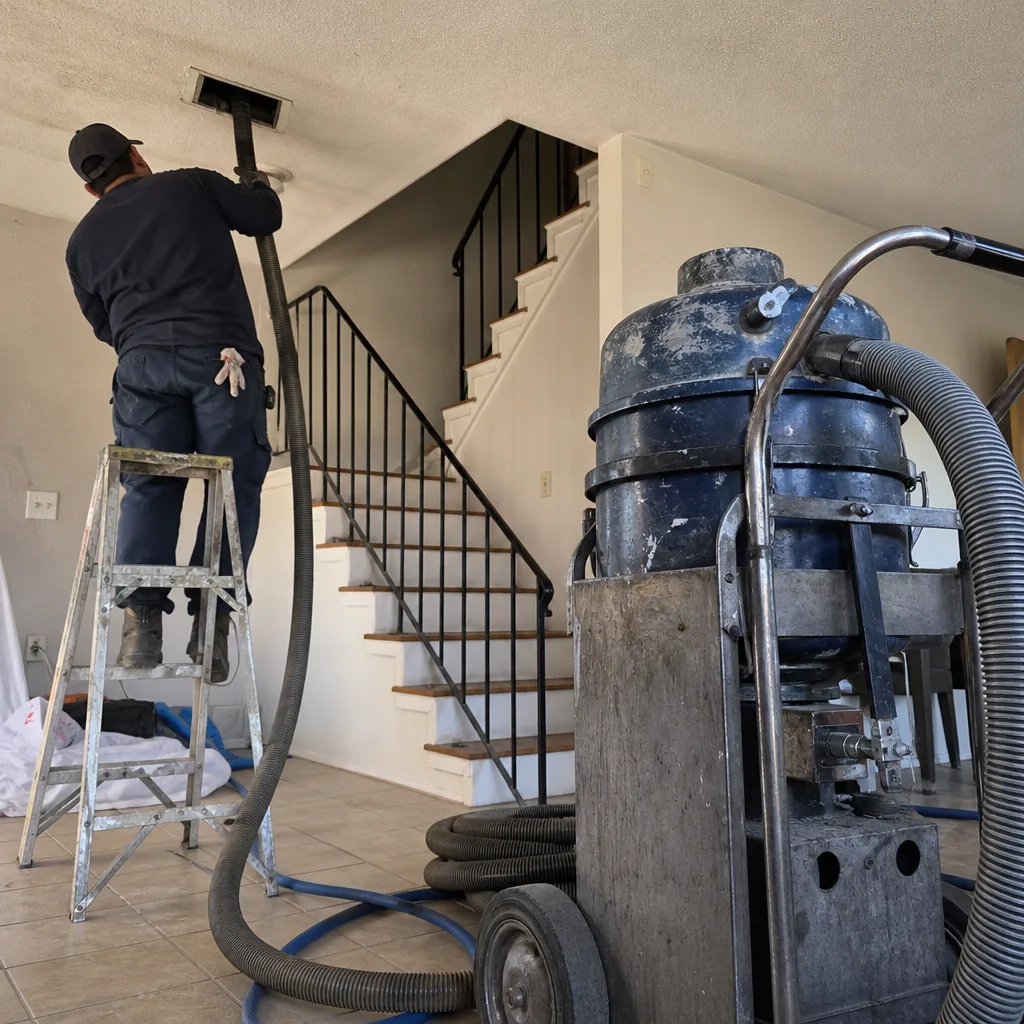
Here’s the principle. Before any agitation begins, the crew connects a high-powered vacuum to the duct system and establishes negative pressure inside it. The ducts are now drawing inward, not leaking outward. As brushes and air tools break debris free, that debris is captured by the vacuum flow and pulled toward the collection unit, where HEPA filtration traps fine particles instead of exhausting them back into the room. Agitation loosens; containment removes. Neither works well without the other.
This is where equipment caliber matters. Our technicians use Abatement Technologies equipment, which is associated with professional containment and negative-air practices in remediation-grade work. That’s the difference between a remediation-level standard of care and basic vacuuming. On a job in Placentia, containment is set up before the first brush enters the system – not as an afterthought once dust is already in the air.
- Negative pressure first – the system is put under suction before agitation starts.
- HEPA filtration throughout – fine particles are trapped, not recirculated.
- Source control at the registers – openings are managed so loosened material has one direction to travel: out.
A crew that skips containment is guessing, no matter how strong the vacuum. When you compare bids, ask how they plan to keep the dust inside the system during the job. The answer tells you more than the price does.
1960s Tract Homes vs. Newer Construction: Two Very Different Duct Problems
Placentia’s housing stock gives the city two distinct duct situations, and they don’t fail in the same way. The older tract homes from the 1960s through the 1980s were built with the duct materials and layouts common to that era – often rigid metal trunk lines with flexible branch runs, and configurations built around a much simpler HVAC setup than we use today. Newer construction tends to use flexible duct runs throughout, tighter layouts, and equipment matched to a more sealed building envelope.
Each brings its own challenges:
Older Placentia tract homes
- Metal ductwork that has had decades to accumulate a hard, stuck-on film rather than loose dust
- Joints and seams that have loosened over time, creating leaks that pull unfiltered air in from attics and crawl spaces
- Branch runs that may have been modified or added to over the years, leaving inconsistent runs
- Layouts where the return path is short and the plenum sits in a tight, hard-to-reach space
Newer Placentia construction
- Flexible duct runs that can sag or crush, restricting airflow and trapping debris at low points
- Tighter building envelopes where the duct system’s condition affects indoor air quality more directly
- Higher-efficiency equipment where a dirty coil costs efficiency quickly
The practical upshot: the same cleaning approach won’t fit both. Older homes often need duct repair and sealing alongside cleaning because the leaks are part of the problem. Newer homes more often need careful handling of flexible runs and attention to the coil. Knowing which kind of home you have helps you ask the right questions. Our dryer vent cleaning service follows the same logic – the vent’s material and routing determine how the job has to be done.
What Professional-Grade Equipment Actually Looks Like
Not all duct cleaning equipment is created equal, and the difference shows up in the results. Consumer machines and shop vacuums simply don’t generate the airflow or filtration needed to clean a whole system. Professional work uses purpose-built tools – and the names on the equipment tell you something about the standard being held.
Our technicians use Rotobrush and Nikro systems, which are purpose-built professional duct cleaning equipment used by HVAC service companies nationwide. These aren’t repurposed wet-dry vacuums. They’re engineered for the job: rotary brushes that agitate duct walls, high-flow vacuum units paired with HEPA filtration, and tools sized to reach the runs and transitions that matter.
Layered on top is the Abatement Technologies equipment mentioned earlier, which supports the containment side of the job. Together, this is what “professional-grade, not shop vacuums” actually means in practice:
- Rotobrush – rotary agitation and vacuum systems engineered for duct interiors
- Nikro – professional-grade vacuum and filtration equipment built for duct work
- Abatement Technologies – containment and negative-air equipment associated with remediation-level standards
Equipment is one half of the picture. The other half is what happens after cleaning: duct repair and sealing, and then sanitizing. We carry and install recognized air quality products from Honeywell and Aprilaire, which extends the work beyond cleaning into longer-term air quality improvement – filtration and humidity control that keeps the system cleaner between visits. And Guardsman-backed sanitizing treatments are applied after cleaning to provide documented antimicrobial protection. From cleaning to sanitizing to sealing, one call covers it all – and because repair and sealing are handled in-house rather than subcontracted, the accountability stays with the same team from start to finish.
What a Full Cleaning Visit Involves, Step by Step
A legitimate whole-system cleaning follows a recognizable sequence. Every Placentia home differs in detail, but the general flow looks like this:
- Inspection and assessment. Before any equipment runs, the technician inspects the system – duct material, layout, the plenum, the coil, the drain pan, and any obvious leaks or damage. This determines what the job actually needs.
- Protecting the home. Floor coverings and surface protection go down, and the containment setup is planned around the register locations and the air handler access point.
- Establishing negative pressure and HEPA filtration. The vacuum and containment equipment are connected and started, so the system is under suction before agitation begins.
- Agitating and cleaning the full pathway. Supply and return runs are cleaned with rotary and air tools, then the plenum and coil are addressed. Each section is treated as part of one system.
- Repairing and sealing what’s found. Loose joints, disconnected runs, and compromised sections get repaired and sealed on the same visit. We repair what we find rather than leaving you a list.
- Sanitizing. With the system clean, a Guardsman-backed antimicrobial treatment is applied to provide documented protection.
- Verification and documentation. The job is checked afterward – more on that in the next section – and before-and-after documentation is captured so you can see what changed.
The order matters. Cleaning before sealing means sealing clean ducts. Sanitizing before cleaning means treating a dirty surface. Repair before containment and you risk loosening debris into an unsealed system. A crew that follows the sequence is following it for a reason.
How to Verify the Work Was Actually Done
This is the part of the process most homeowners never see, and it’s the part that separates real work from a technician who simply declares the job done. Verification means evidence, not assurance. Here’s what a legitimate post-cleaning check includes:
- Before-and-after photos of your own system – the actual ducts, plenum, and coil, not stock images or a generic photo of a clean vent. You should be able to see the change in the components you paid to have cleaned.
- A visual check of each cleaned section – registers, returns, plenum, and coil access. If a section was cleaned, it can be shown to you.
- A debris-collection check – confirmation that the material dislodged was actually captured by the filtration system, not redistributed.
- A walkthrough of any repairs made – if a joint was sealed or a run reconnected, you should see where and understand why.
What verification is not: a technician waving a flashlight at a register and telling you it looks clean. It’s not a verbal summary with nothing to back it up. If you can’t see the before-and-after on your own system, you can’t know the work was done – and before-and-after photos of your own ducts are part of how we document every job. The same principle applies to sanitizing: a documented treatment leaves a record. Ask for it.
One more verification point worth knowing: a proper cleaning shouldn’t leave your home dusty. If the containment was done correctly, the air in your house should be no worse during the job than before it. Visible dust settling on surfaces afterward is a sign containment failed. If a company can’t explain how they prevent that, keep asking.
How Often Placentia Homes Really Need Duct Cleaning
There’s no single number that fits every home, and anyone who quotes one without looking at your system is guessing. That said, a few practical guidelines hold up well in Placentia’s climate and housing mix. Because the area runs its HVAC system many months a year and the air is dry and particulate-heavy, debris accumulates faster here than in cooler, wetter regions – so the interval that makes sense for a Placentia home can be shorter than the general advice you’ll find online.
Times when cleaning is clearly worth considering:
- You’ve never had it done and the home is older. In a 1960s or 1970s Placentia tract home, decades of buildup typically warrants a full assessment.
- Recent renovation or remodeling. Drywall dust and construction debris travel straight into the return. A cleaning after major work catches what the renovation left behind.
- Visible dust at registers or around the air handler. A recurring dust film near the vents points to a source in the system.
- Allergy or respiratory concerns in the household. When indoor air quality matters more, the system’s condition matters more.
- A new home purchase. You don’t know the previous owner’s maintenance history – or what’s in the ducts.
- After the system has sat unused. Stagnant ducts collect debris and can develop musty conditions.
For a home that’s been maintained and cleaned, an interval of a few years is often reasonable, adjusted for how much the system runs and whether the home has pets, smokers, or ongoing renovation. The honest answer for any specific Placentia home comes from an inspection, not a calendar. If you’re unsure whether it’s time, that’s exactly what a free estimate is for.
Common Mistakes to Avoid
- Cleaning only the supply vents. The return side and plenum typically carry the heaviest load. Skip them and you’ve cleaned the easier half of the system while leaving the source of the problem in place.
- Skipping containment. Without negative pressure and HEPA filtration, dislodged debris ends up in your air. Ask how the crew plans to keep it inside the system before you book.
- Judging the job by price alone. A very low figure often means a quick pass with weak equipment and no containment. You get what the invoice actually covers.
- Ignoring the coil and drain pan. A dusty coil and a damp drain pan create conditions the rest of the cleaning can’t fix. The full pathway has to be addressed.
- Accepting “it’s done” with no evidence. No before-and-after photos of your own system, no walkthrough of repairs – that’s not verification, it’s a claim.
- Leaving leaks and loose joints unsealed. A system that pulls unfiltered air from the attic re-contaminates itself. Repair and sealing belong in the same visit as cleaning.
- Sanitizing before cleaning. Treatment applied to a dirty surface doesn’t hold. Sanitizing comes after the system is clean and sealed.
See the difference
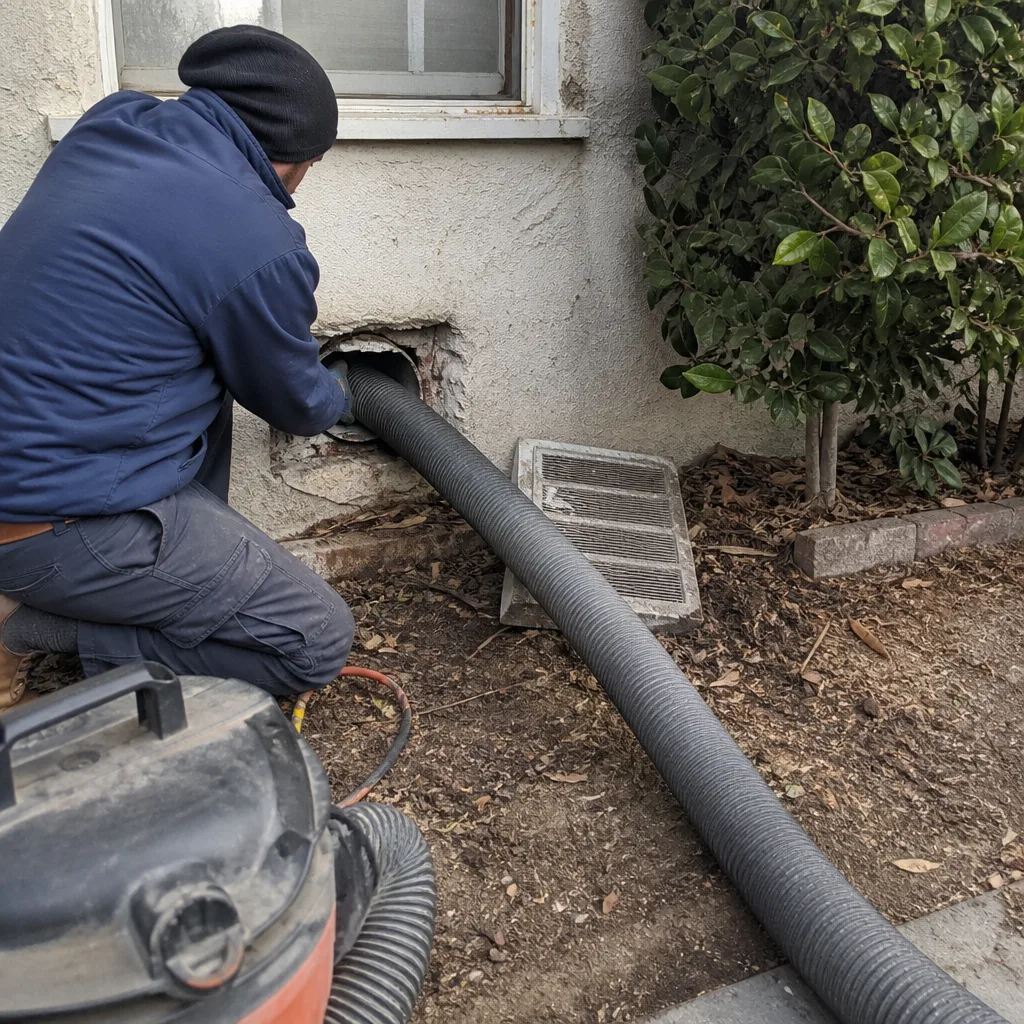 Before
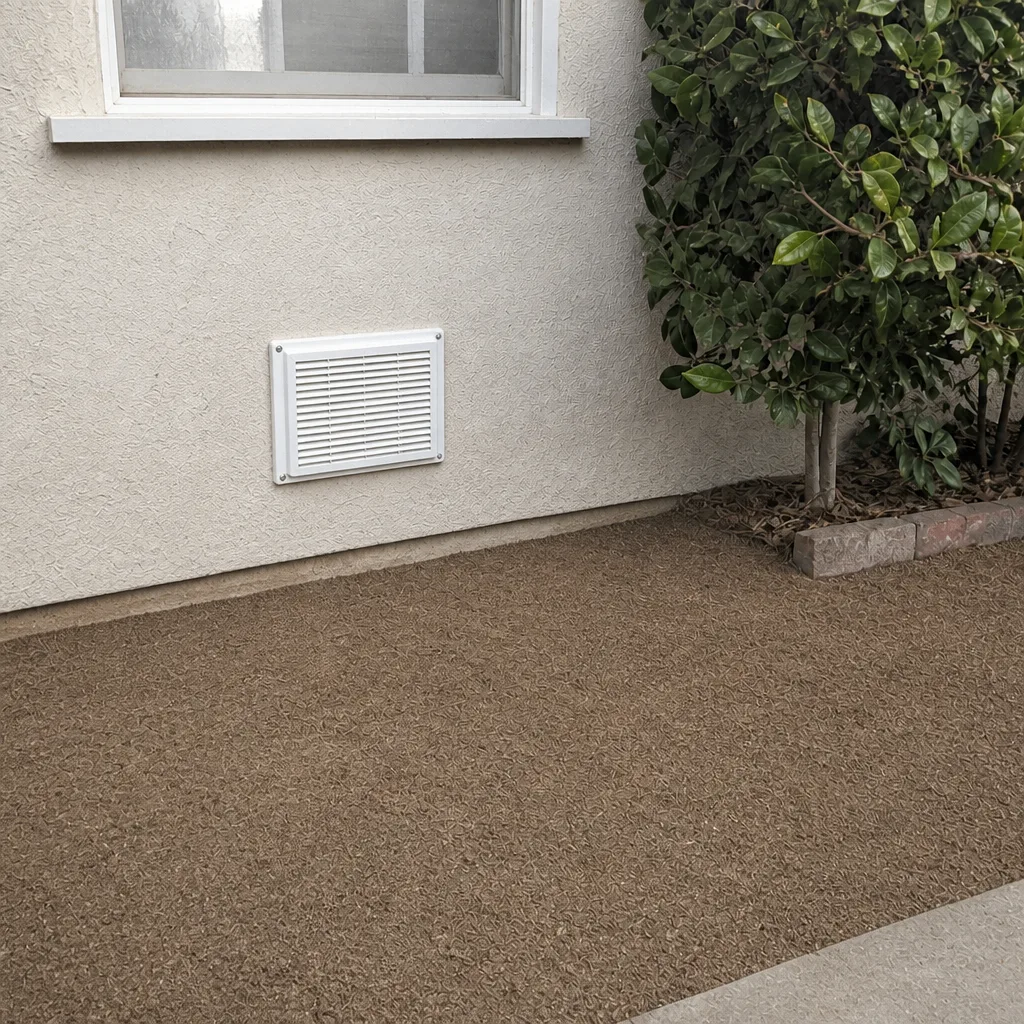 After
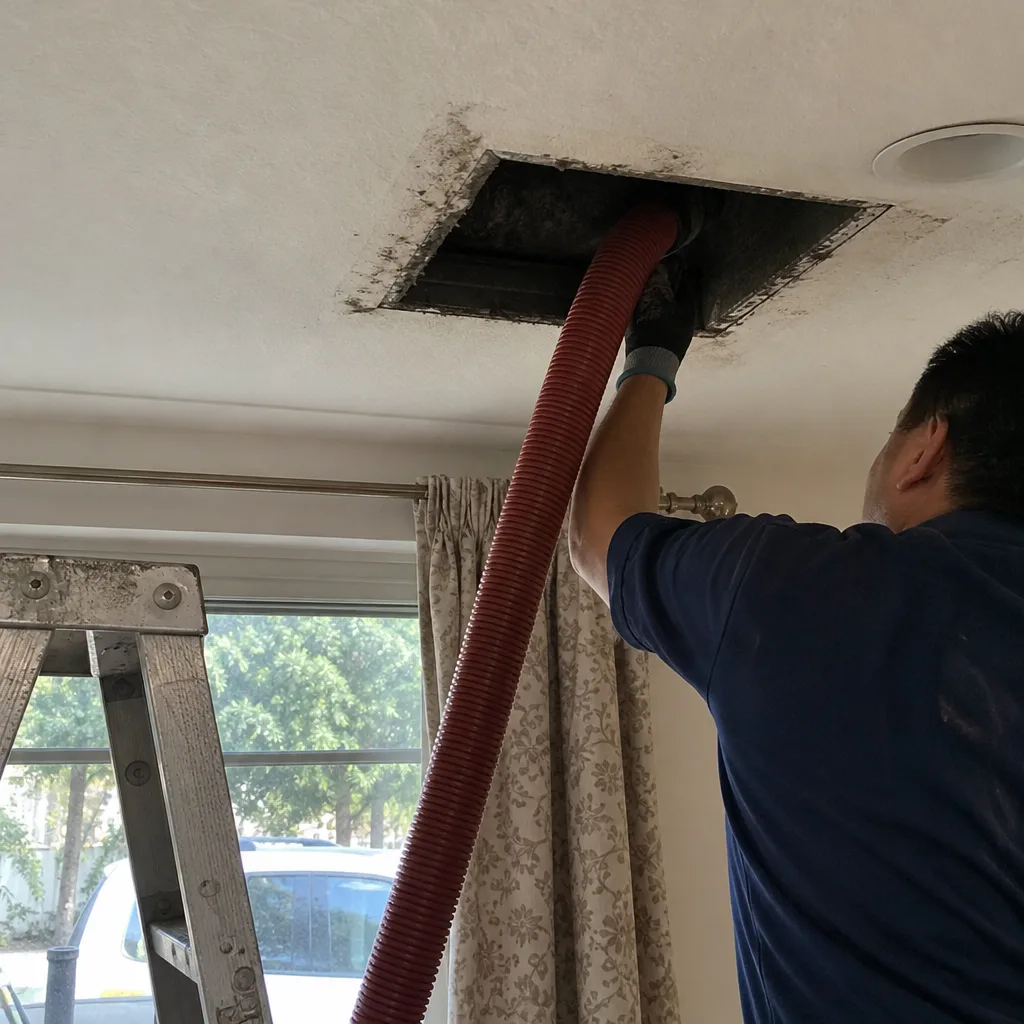 Before
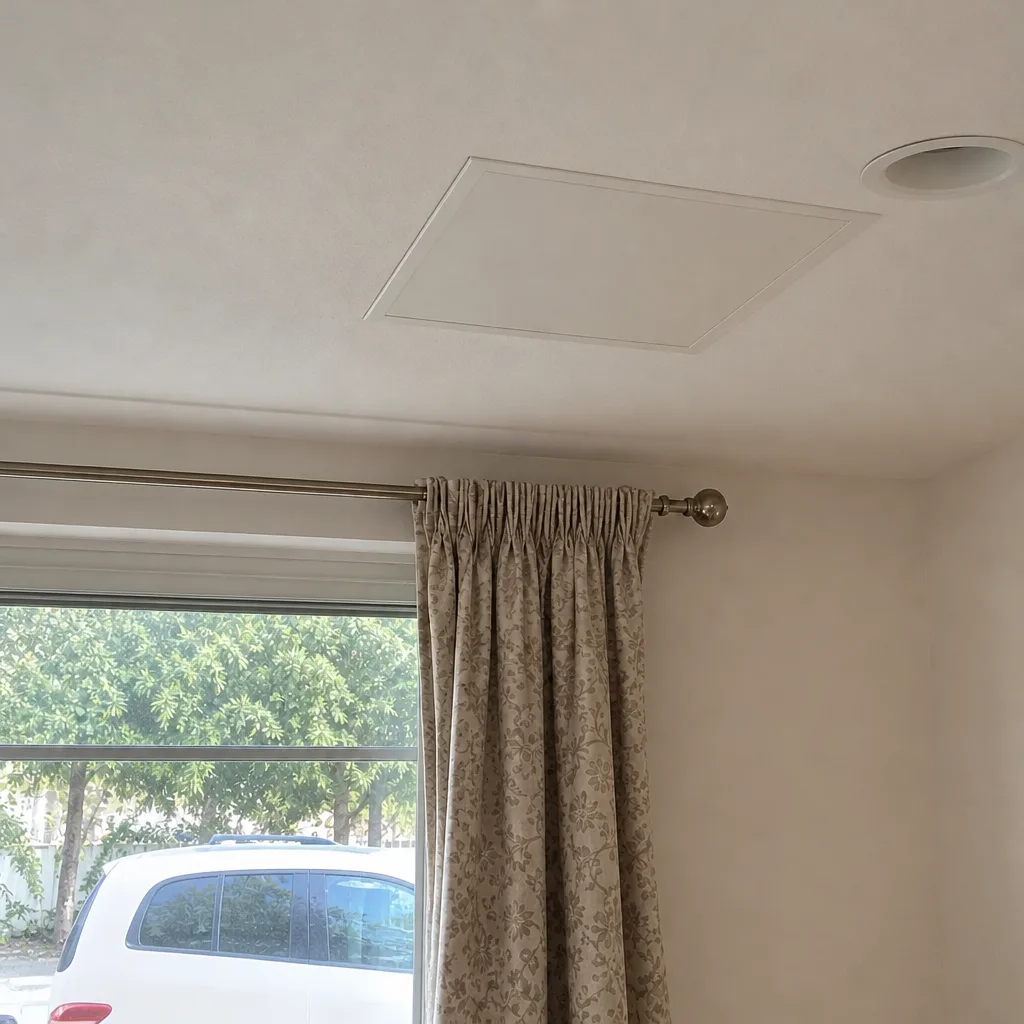 After
 Before
 After
When to Call a Professional
Some duct conditions are safe to assess yourself – a dust film at a register, a musty smell, visible debris near a return. Others call for a trained professional with the right equipment and containment. Call when you notice visible dust or mold around the air handler, when a full system has never been cleaned in an older Placentia home, after a major renovation, when the coil or drain pan needs attention, or when you want a clear before-and-after record of the actual work. Duct repair and sealing, coil cleaning, and sanitizing are all jobs that carry real technical risk if done wrong, which is why they belong with a professional rather than a weekend project. As a full-system indoor air quality specialist, Placentia Air Duct Cleaning Co offers free estimates in Placentia – call (833) 545-4372. We answer 24/7. Fast dispatch from 7am to 7pm, Sunday through Friday.
Frequently Asked Questions
The price is set per job by a written estimate, and we give a flat price per system agreed before work starts – no per-vent pricing and no teaser figures that change once the technician is on site. Call (833) 545-4372 for an exact quote; estimates are free. We answer 24/7. Fast dispatch from 7am to 7pm, Sunday through Friday.
Cheaper quotes usually mean less equipment and less scope – often a quick pass with a shop vacuum and no containment, no coil work, and no verification. A whole-system job with negative pressure, HEPA filtration, and before-and-after photos of your own ducts reflects real work. Call (833) 545-4372 for a written estimate that spells out exactly what’s included.
You should see before-and-after photos of your own ducts, plenum, and coil, plus a walkthrough of any repairs made – not just a technician declaring it done. Ask for the visual evidence and the sanitizing record. Call (833) 545-4372 to schedule an estimate and ask how we document a job from start to finish.
In Placentia’s dry, high-particulate climate and long cooling season, a few years between cleanings is often reasonable for a maintained home, but an inspection is the only honest answer for your specific system. Older tract homes that have never been cleaned often need it sooner. Call (833) 545-4372 for a free assessment.
No – when negative pressure and HEPA filtration are set up before cleaning starts, dislodged debris is captured and removed rather than released into the room. Visible dust settling afterward is a sign containment failed. Call (833) 545-4372 to ask how containment is handled on your job.
Yes – duct repair and sealing are handled in-house on the same visit, so a technician who finds a loose joint or disconnected run can fix it rather than leave you a list. We repair what we find. Call (833) 545-4372 to talk through what your system needs.
The Bottom Line
A clean duct system isn’t a clean set of vents – it’s a clean full pathway: supply, return, plenum, coil, and drain pan, treated as one unit with proper containment so debris leaves the system instead of recirculating. Placentia’s dry air, long cooling season, and mix of older tract homes and newer construction create accumulation patterns you won’t find in coastal or cooler regions. The right job uses professional-grade equipment, repairs what it finds, sanitizes after cleaning, and verifies the work with before-and-after photos of your own system. If a bid skips any of that, it’s not a bargain – it’s an incomplete job.
If you’d like to know what your own Placentia system actually needs, call Placentia Air Duct Cleaning Co at (833) 545-4372 for a free estimate. We answer 24/7. Fast dispatch from 7am to 7pm, Sunday through Friday. Start with Placentia Air Duct Cleaning Co and get a clear, written answer before any work begins.
Written by the team at Placentia Air Duct Cleaning Co.