
Last updated November 20, 2026
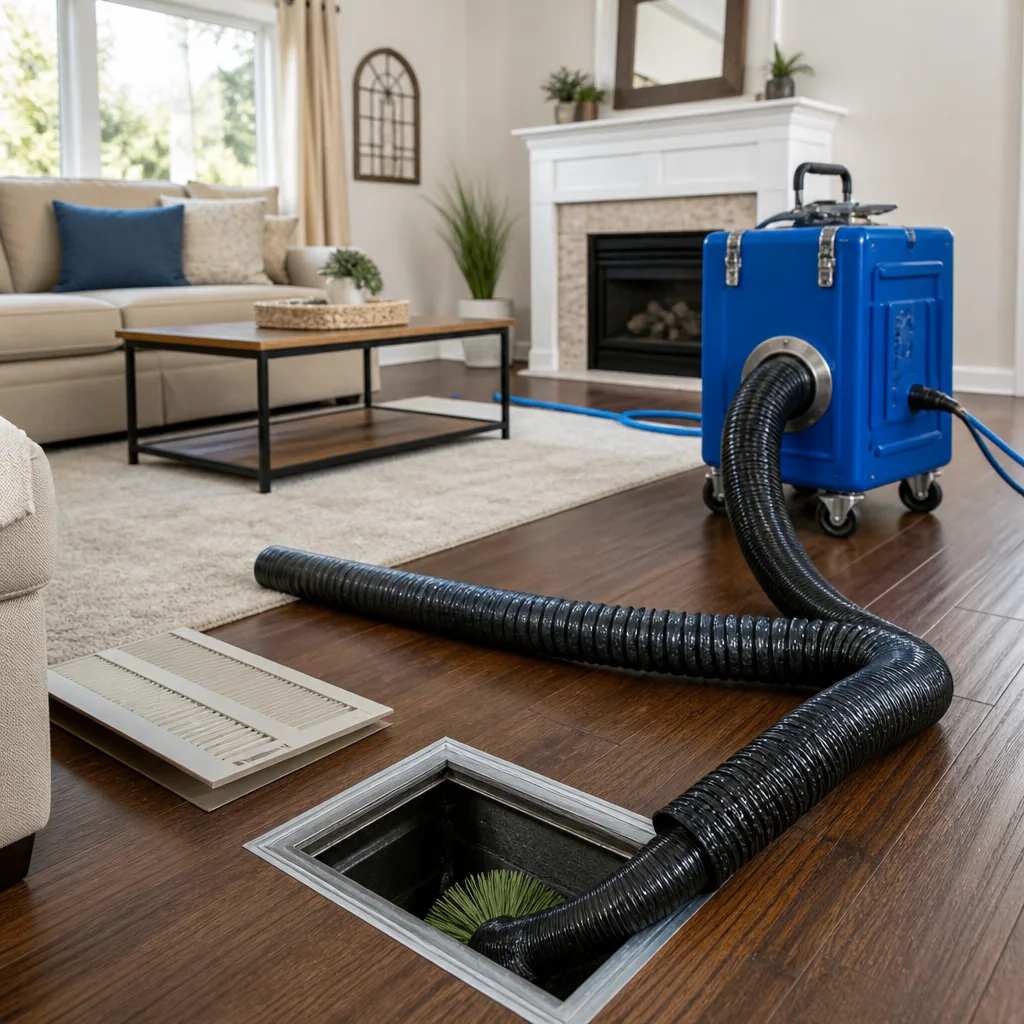 Whole-home duct cleaning
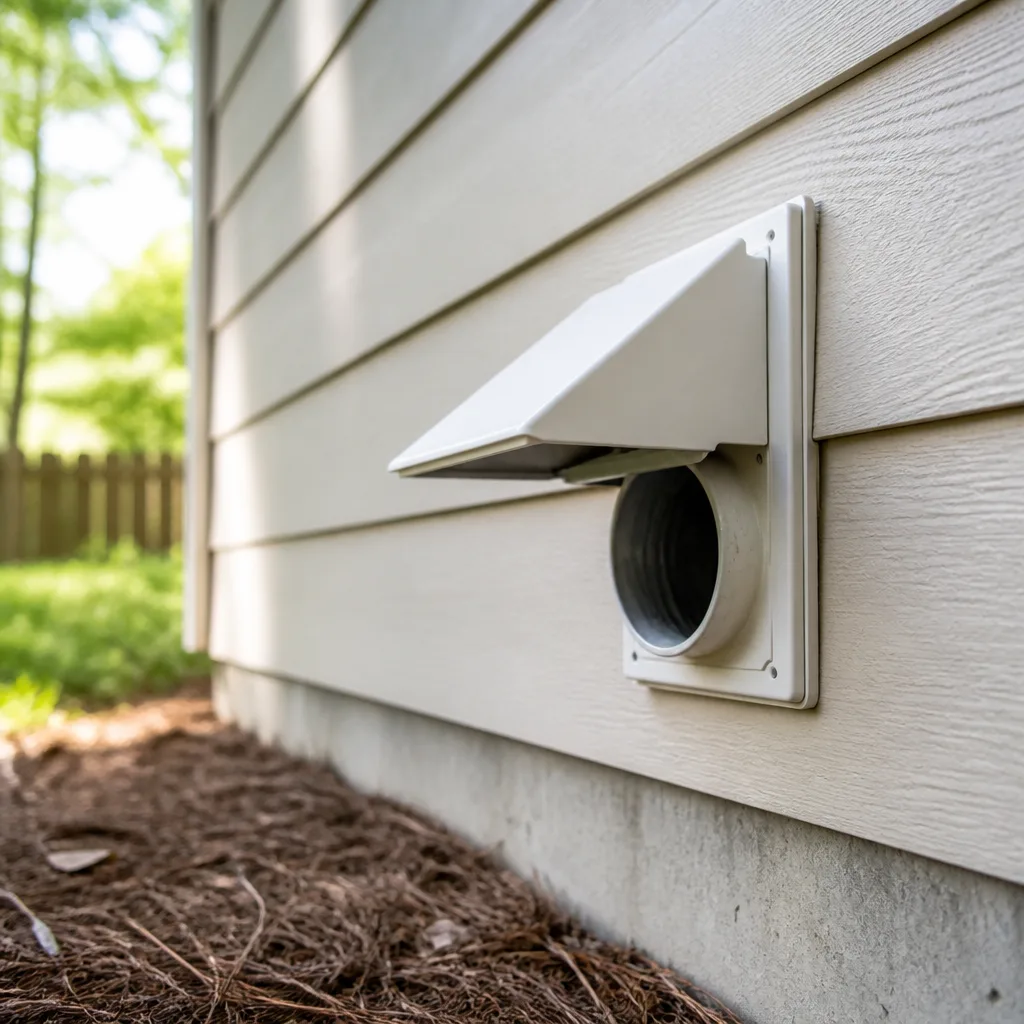 Dryer vent cleaning
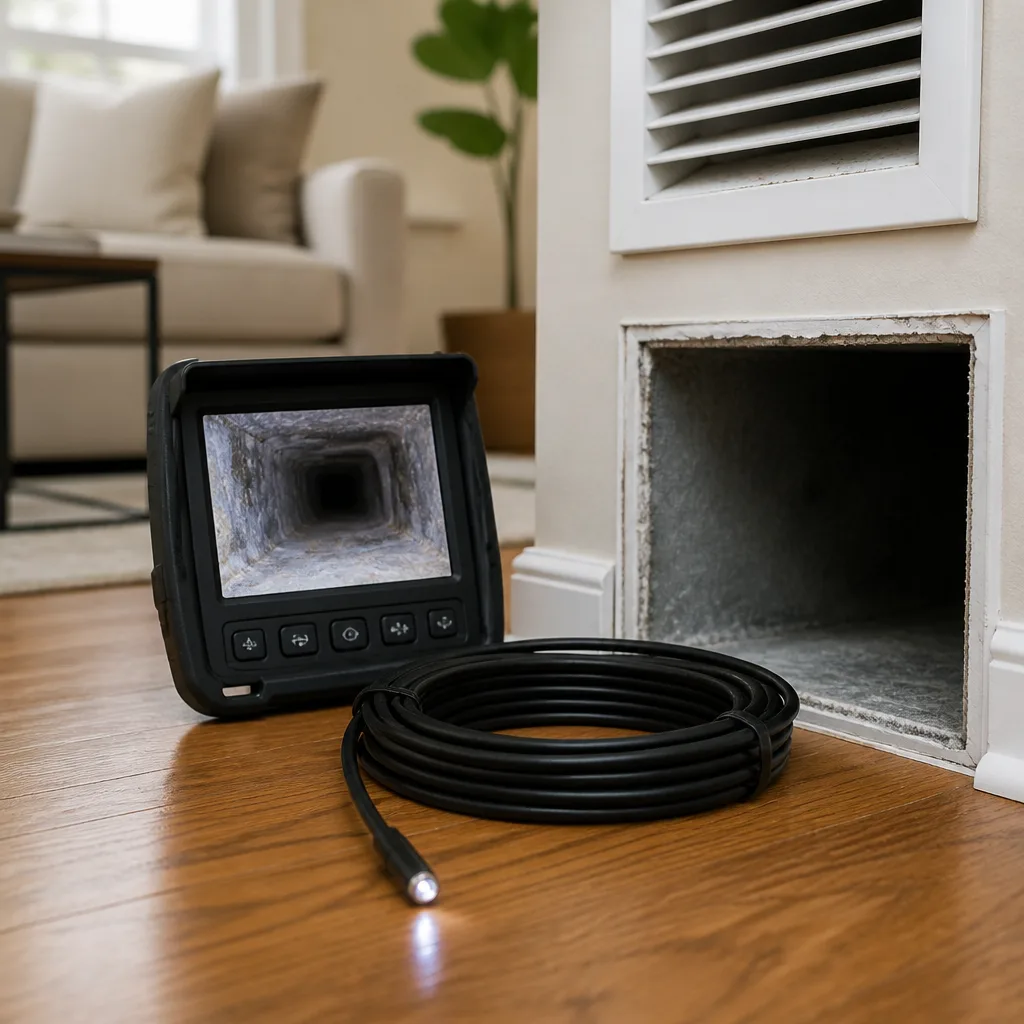 Camera inspection
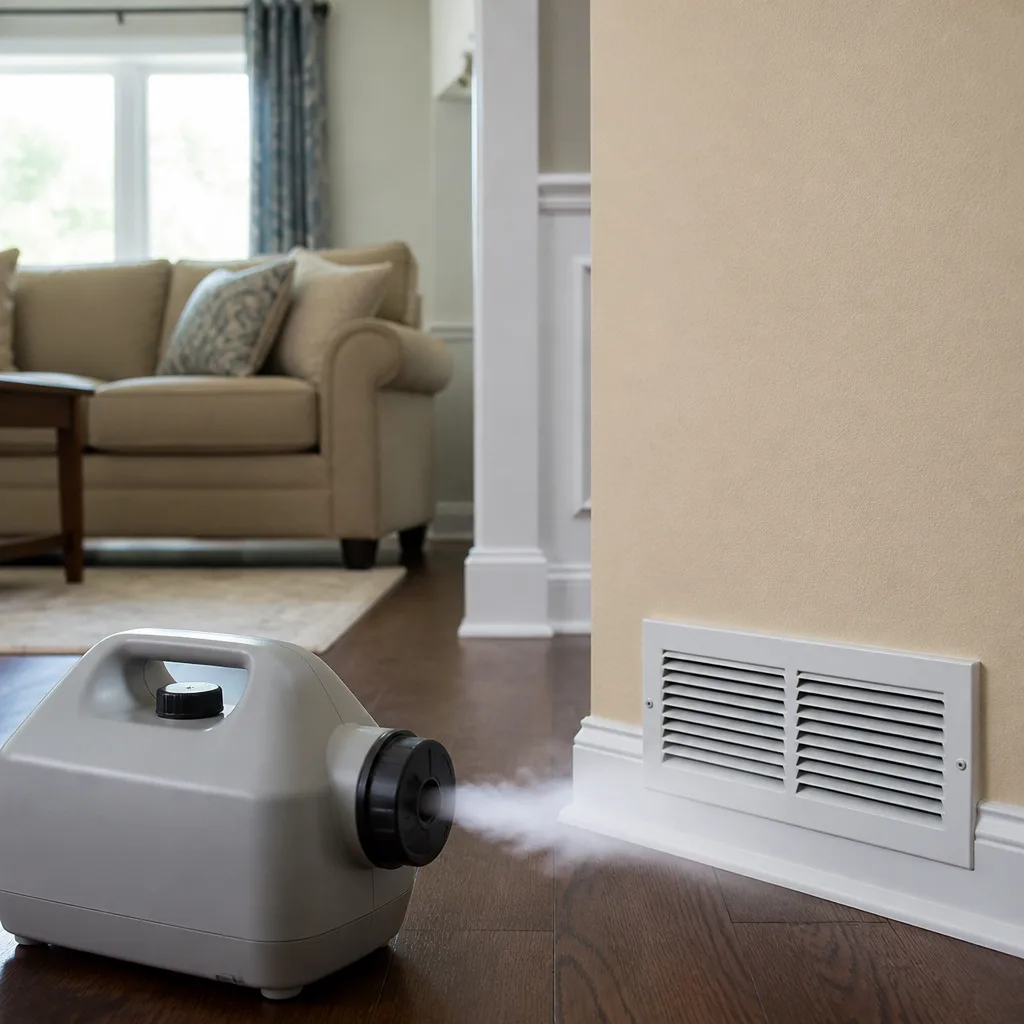 Sanitizing & deodorizing
Whole-system duct and dryer vent check with before-and-after photos - you see exactly what came out of your vents
That "$99 whole-house special" is a bait ad - the real number appears once they are in your hallway, or the "clean" is a shop-vac at the register. We photograph the inside of your ducts before and after instead.
Air Duct Cleaning Emergency Preparedness Guide for Placentia Homes
Most people treat air duct cleaning as housekeeping. Something to schedule eventually, after the visible dust builds up on the registers. The problem is that in Placentia, the events that hit your air system hardest arrive without warning: a smoke plume from a fire in the hills, a jolt along one of the fault lines that cross the region, a roof leak during the first real rain of the season. The instinct after any of these is to flip the thermostat on and let the system filter things out. That instinct is often wrong. A duct network that has taken on smoke particulate, loosened joints or damp dust does not improve when you push air through it. It spreads the problem room by room.
This guide covers what to do before, during and after the three events that matter most for Placentia duct systems: wildfire smoke, earthquakes and water intrusion. You’ll learn what to shut down, what to document, and when a professional assessment is genuinely needed.
Quick Answer
After a wildfire smoke event, earthquake or water intrusion, your duct system should be inspected before you run the HVAC normally: shut the system off, check and upgrade the filter, and get a professional duct assessment if the ductwork was exposed to smoke, shifted on its hangers or got wet. Acting early, within 48 to 72 hours for water and before the first heat or cold snap turns on the blower, prevents contamination from settling deeper into ductwork and spreading through every room in a Placentia home.
Styles & brands we work with
- Whole-home duct cleaning
- Dryer vent cleaning
- Camera inspection
- Sanitizing & deodorizing
Table of Contents
- Post-Wildfire Smoke: Why Running Your HVAC First Can Make Indoor Air Worse
- The Placentia Smoke Protocol: Shut Down, Filter Up, Assess
- Post-Earthquake Duct Inspection Priorities
- Water Intrusion and the 48-72 Hour Window for Duct Mold Prevention
- How to Build an Emergency Duct File for Your Placentia Home
- Pre-Event Hardening: Sealing and Register Covers Before Santa Ana Winds
- Why Remediation-Grade Equipment Matters After a Real Event
Post-Wildfire Smoke: Why Running Your HVAC First Can Make Indoor Air Worse
Here’s the counterintuitive part. A home sealed up tight against a smoke plume, with the HVAC running as usual, can end up with indoor particulate concentrations that are worse than the air outside. That happens because the return side of your system pulls air through the same duct paths every cycle. If those paths already hold settled smoke residue from previous events or ordinary household buildup, the blower re-suspends it. A filter catches some of it. The rest redistributes.
Placentia sits in a basin where inland smoke plumes can settle during offshore wind events, so this pattern plays out here more often than people realize. The system that kept your home comfortable all spring is, for a few days after a smoke event, an engine for circulating what you’re trying to keep out.
A few things are happening at once:
- Smoke particulate is fine enough to bypass basic fiberglass filters and coat the inside of galvanized duct runs and flex duct alike.
- The residue leaves an odor in the ducts that no air freshener will remove, because the source is the surface.
- If your return plenum has gaps, unfiltered smoke-laden air gets drawn in at the mechanical closet rather than through the filter.
- Repeated smoke events, which Placentia gets in dry years, layer residue season over season until an ordinary cleaning no longer does the job.
The fix isn’t to live with the system off forever. It’s to know the sequence: control the intake, contain the exposure, then clean the system deliberately. That’s the smoke protocol below.
The Placentia Smoke Protocol: Shut Down, Filter Up, Assess
When a smoke advisory hits Placentia, the order of operations matters more than any single product. Work the steps in sequence rather than skipping ahead to a filter swap and hoping for the best.
- Shut the HVAC system off during the smoke event. Turn the thermostat to off, not just to a lower temperature. A running blower pulls smoke-laden air into the return path and loads your filter and ducts when the outside air is at its worst. Keep windows and doors closed and run a portable air cleaner rated for smoke particulate in the room where you spend the most time.
- Upgrade the filter to the highest MERV rating your system is rated for at the air handler. Check the filter slot’s printed maximum or your equipment manual before going up in rating, because a filter that’s too restrictive for the blower can reduce airflow and strain the system. A properly fitted pleated filter at a higher rating will catch far more fine particulate than the standard fiberglass panel most homes run.
- Seal obvious return-plenum gaps with tape or mastic before you restart the system. If you can see daylight around the return box where it meets the duct, unfiltered air is coming through that hole rather than the filter.
- Wait for the advisory to lift, then run the system on fan-only for a short cycle and change the filter again. That first run after a smoke event loads the filter heavily with what was already in the ducts. Swap it out rather than letting it stay clogged.
- Get a professional duct assessment if the event was significant or your system is older. A technician with a camera and access to the interior duct surface can tell you whether the residue is surface dust you can live with or a coating that warrants a full-system clean. Placentia homes near the eastern edge of the city, where smoke from inland fires tends to collect on still nights, are worth assessing after a heavy season.
The difference between a professional-grade clean and a shop vacuum pass is containment. Equipment like an Abatement Technologies negative-air setup pulls the dust and smoke residue into a HEPA-filtered unit under negative pressure so it doesn’t just move into the living space. That’s the same principle used on commercial remediation jobs, scaled to a house.
Post-Earthquake Duct Inspection Priorities
A duct system is a network of thousands of seams, joints, hangers and taped connections. Seismic movement doesn’t have to bring down a ceiling to open those seams. A shake that cracks plaster and knocks pictures off the wall also flexes the duct runs in the attic and crawl space enough to pull taped joints apart, crack rigid flex duct at the elbows, and shake the return plenum loose from the air handler.
The reason this matters in Placentia specifically is that the region’s fault systems are active, and even moderate events generate repeated aftershocks over weeks. Each aftershock can widen a gap that already opened. Here’s what to prioritize after a quake:
- Check the return plenum connection at the air handler first. If it has separated, every system cycle draws unfiltered attic or closet air into the supply path. This is the single most common quake-related duct fault.
- Look for sagging or dislodged flex duct in the attic and crawl space. Flex duct that has slipped its hanger can kink, which restricts airflow and puts strain on the blower.
- Inspect rigid metal duct joints at the transitions. Taped and mastic joints that have cracked will leak conditioned air and pull in unconditioned air from surrounding spaces.
- Check that the air handler itself hasn’t shifted. An air handler that’s moved off its platform can stress the duct connections at every point where it ties in.
- Test the system on fan-only and listen. New whistling, rattling or a marked drop in airflow at some registers points to a break or separation somewhere upstream.
Don’t climb into a hot attic alone to do a full inspection after a quake. If a joist or support has shifted, the structure may not be safe to walk. A professional inspection starts with a look at the accessible connections and escalates to a full duct assessment if there’s evidence of a break. Repair and sealing are the same-visit work: a technician can tape, mastic and seal compromised connections while surveying the rest of the run, so the fix goes in before the next event rather than after it.
Water Intrusion and the 48-72 Hour Window for Duct Mold Prevention
Mold needs moisture, and duct systems give it a place to sit quietly out of sight. The clock starts the moment water reaches the ductwork: a roof leak that soaks attic insulation and drips onto flex duct, a pipe break above a ceiling that finds the return chase, a slab leak that wicks into a crawl space. Within 48 to 72 hours, damp dust and lint inside the duct can support mold growth. After that window, cleaning alone may not resolve the problem and a remediation-level response becomes necessary.
What a duct drying assessment involves, in practical terms:
- Find and stop the source of water first. No duct work should proceed until the leak is stopped and the structural cavity is drying.
- Isolate the wet section of duct from the rest of the system. If the air handler is running, shut it off. A running blower pushes moisture-laden air through the entire network.
- Check for standing water inside flex duct and on the interior of rigid duct. Flex duct that has taken on water often can’t be dried in place and needs replacement rather than cleaning. Rigid metal duct can be dried and assessed.
- Measure moisture in the surrounding building materials, not just the duct. If the ceiling or subfloor around the duct is still wet, drying the duct is pointless until the cavity is dry.
- Assess for mold with a visual inspection of the interior duct surface. Surface mold on duct lining or on the inside of metal duct requires a sanitizing step after cleaning. We use Guardsman treatments, applied post-cleaning, as part of that process.
- Document everything before and after for your insurance file. Photos of the wet duct, moisture readings and the cleaning report all matter if you’re filing a claim.
Placentia’s rainy season arrives in bursts, which means a roof leak often goes undiscovered until the damage has spread. Check attic ductwork and the space above the ceiling after any storm that drove water inside.
How to Build an Emergency Duct File for Your Placentia Home
When something goes wrong, the first hours matter. A contractor arriving at your door with no information about your system has to rebuild a mental map of the duct layout before any real work starts. A prepared homeowner shaves off that time. Build a simple emergency duct file now and keep a digital copy somewhere you can reach from your phone.
Here’s what to include:
- A rough duct layout sketch. The location of the air handler, the return plenum, the main trunk line, and the approximate location of every register. You don’t need to be precise. You need a map that a technician can compare to what they find.
- Filter specifications. The filter size (printed on the frame), the MERV rating currently installed, and the maximum MERV rating your equipment allows. This is the number you’ll need to upgrade after a smoke event, and the number you’ll likely have forgotten.
- Equipment details. The make and model of your furnace or air handler, and the year of installation. Photograph the data plate.
- Service history. The date of your last air duct cleaning, what was done, and by whom. A record of the last service tells a technician what baseline to expect.
- A photo set. Photographs of the return plenum connections, the air handler on its platform, and any visible flex duct in the attic. Photos let a contractor pre-assess before arrival.
- Your insurance policy details. The policy number, your agent’s contact, and whether your policy covers water intrusion and smoke damage. That determination happens before anything else does during a claim event.
Building this file takes an hour. It saves that hour and more when an emergency actually happens, and it makes a professional assessment measurably faster because the technician can compare documented conditions to current ones.
Pre-Event Hardening: Sealing and Register Covers Before Santa Ana Winds
Placentia’s offshore wind events are the predictable hazard in the calendar. When dry wind pushes through the passes and drops humidity across the region, smoke advisories and dust events follow. Hardening your duct system before the winds arrive reduces what gets in and makes the post-event assessment quicker.
Steps worth taking before the next wind event:
- Seal leaks in the return-side ductwork. Return leaks are the worst case because they pull unconditioned air in without passing through the filter. A professional sealing job uses mastic and foil tape on every accessible joint, and identifies joints behind drywall that need to be addressed from the closest access point.
- Upgrade to a filter at your system’s maximum MERV rating for the wind season, then downgrade afterward if needed. Run a higher-rated filter during smoke advisory periods and switch back to your normal filter afterward to avoid unnecessary restriction on the blower.
- Check register grilles for gaps at the drywall. A loose grille lets air bypass the boot and leak between the boot and the drywall. Simple foam gaskets behind the grille close that gap.
- Install interior register covers on rooms you don’t use during smoke events. Magnetic vent covers on unused rooms stop the blower from pulling smoke-laden air in through that room’s return path and force more of the system’s airflow through the rooms you actually occupy.
- Look at the air handler closet door gasket. A poorly sealed closet admits unfiltered air to the return plenum. New weatherstripping on that door is inexpensive hardening.
Adding a whole-home filtration unit is the other hardening step, and it’s a step that bridges cleaning and long-term air quality. Placentia Air Duct Cleaning Co supplies and installs Honeywell and Aprilaire products, which we recommend when the goal is a system that routinely handles dust and smoke rather than one that needs a deep clean after every event. If you’re considering the upgrade, that’s also a good time to schedule hvac cleaning so the new filtration is starting from a clean system.
Why Remediation-Grade Equipment Matters After a Real Event
After a smoke, quake or water event, the interior of your duct system is in a condition that ordinary household vacuuming can’t fix. Smoke particulate is fine enough to settle into the pores of galvanized metal. Lint and dust that have collected in flex duct over years become a matrix that holds odor and moisture. Getting a system back to a clean baseline takes equipment designed for the job, not a shop vacuum and a brush.
Professional duct cleaning systems like Rotobrush and Nikro use agitation tools to loosen the material from duct walls and high-powered negative-air vacuum to pull it out of the system without releasing it into the house. On a remediation-scale job, the Abatement Technologies containment setup we use on every job adds a further step: the workspace stays under negative pressure, so dislodged contaminants don’t escape to the living space.
This matters during an emergency because containment changes what you can safely tackle. A basic vacuum pass on a contaminated system can liberate more particulate than it removes. A contained, HEPA-filtered, negative-pressure setup captures the contaminant stream instead of redistributing it. That’s the difference between a clean and a failed clean.
Our technicians have up to 11 years of experience, and the sequence they’ll follow after a real event is the same one this guide walks through: inspect first, contain, clean, and then decide whether the system needs repair, sealing or sanitizing. Cleaning, dryer vent cleaning, HVAC system cleaning, duct repair and sealing, and air quality sanitizing all sit under one company, which means an assessment after an emergency doesn’t require juggling three contractors and waiting for each one to finish before the next can start.
Common Mistakes to Avoid
- Running the HVAC as usual during a smoke event. The instinct to “filter the air” makes the problem worse when the outdoor air is at its worst. Shut the system down and run a portable air cleaner until the advisory lifts.
- Replacing the filter and calling it done. A new filter catches what passes through it. It doesn’t clean the ducts, and after a heavy smoke event the ducts are part of the problem. Plan for a professional assessment as well.
- Waiting out a water leak to “see if it dries.” Duct and ceiling cavities hold moisture for weeks in Placentia’s shoulder seasons. By the time visible mold appears, you’re past the window where cleaning alone is sufficient.
- Hiring a cleaner who arrives with a shop vacuum and a hose. Containment and HEPA filtration are the whole point after a real event. Ask what equipment is being used, and expect to hear professional brand names rather than a generic description.
- Skipping the return plenum after an earthquake. Most quake-related airflow complaints trace back to a separated return connection, and the fix is quick if a technician looks for it. Ignoring it lets unfiltered attic air circulate for months.
- Not keeping service records. Without a documented duct layout and filter spec, every future event starts from zero. Build the emergency duct file before you need it.
- Buying a DIY duct cleaning kit for a remediation-level job. Consumer kits are for light maintenance on lightly soiled systems. After smoke, water or a quake, they can spread contamination more than they remove it.
See the difference
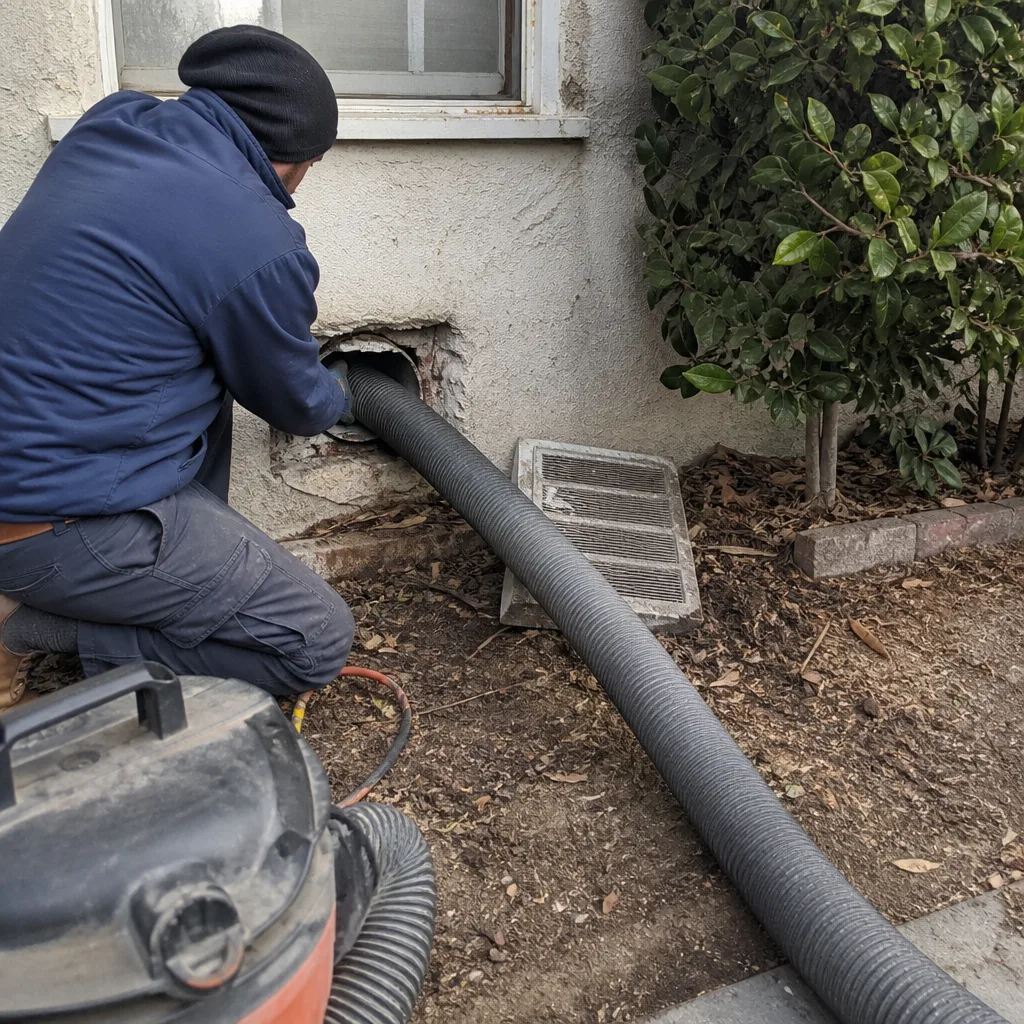 Before
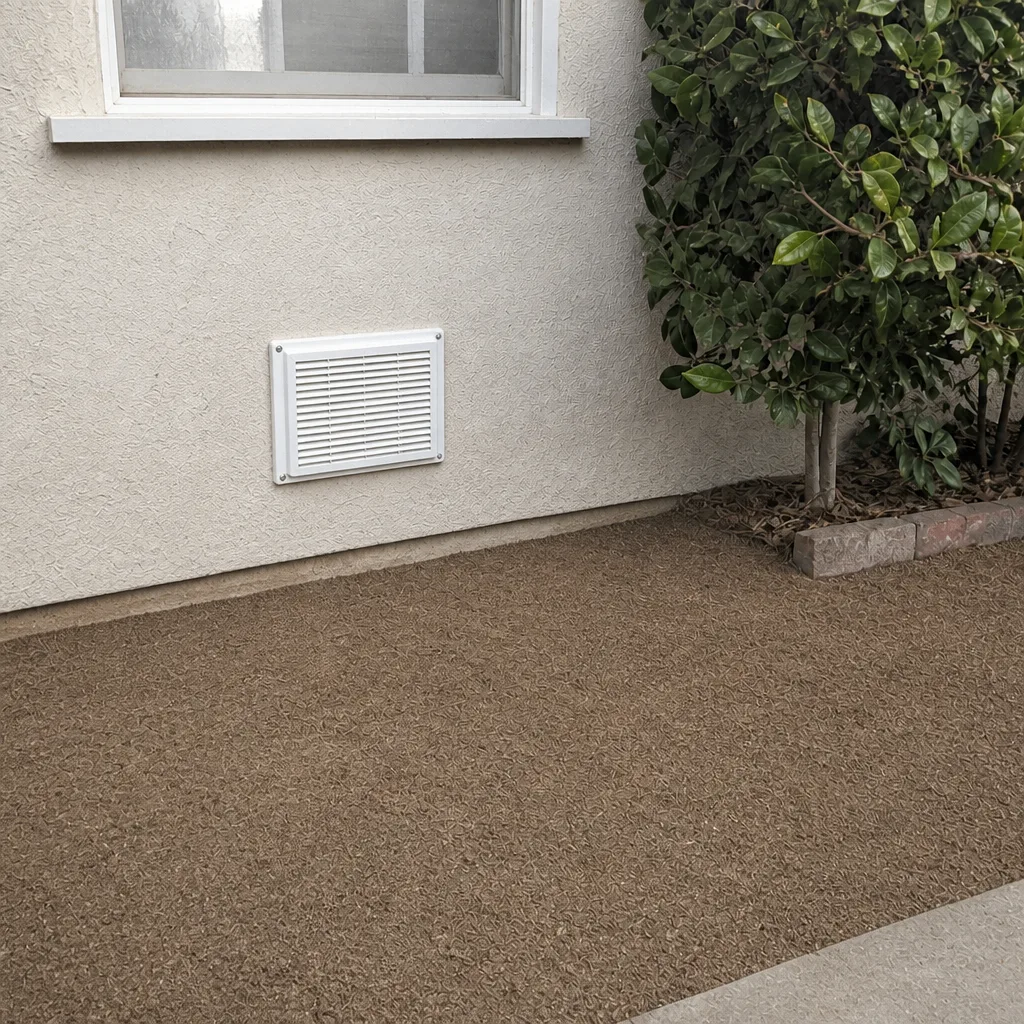 After
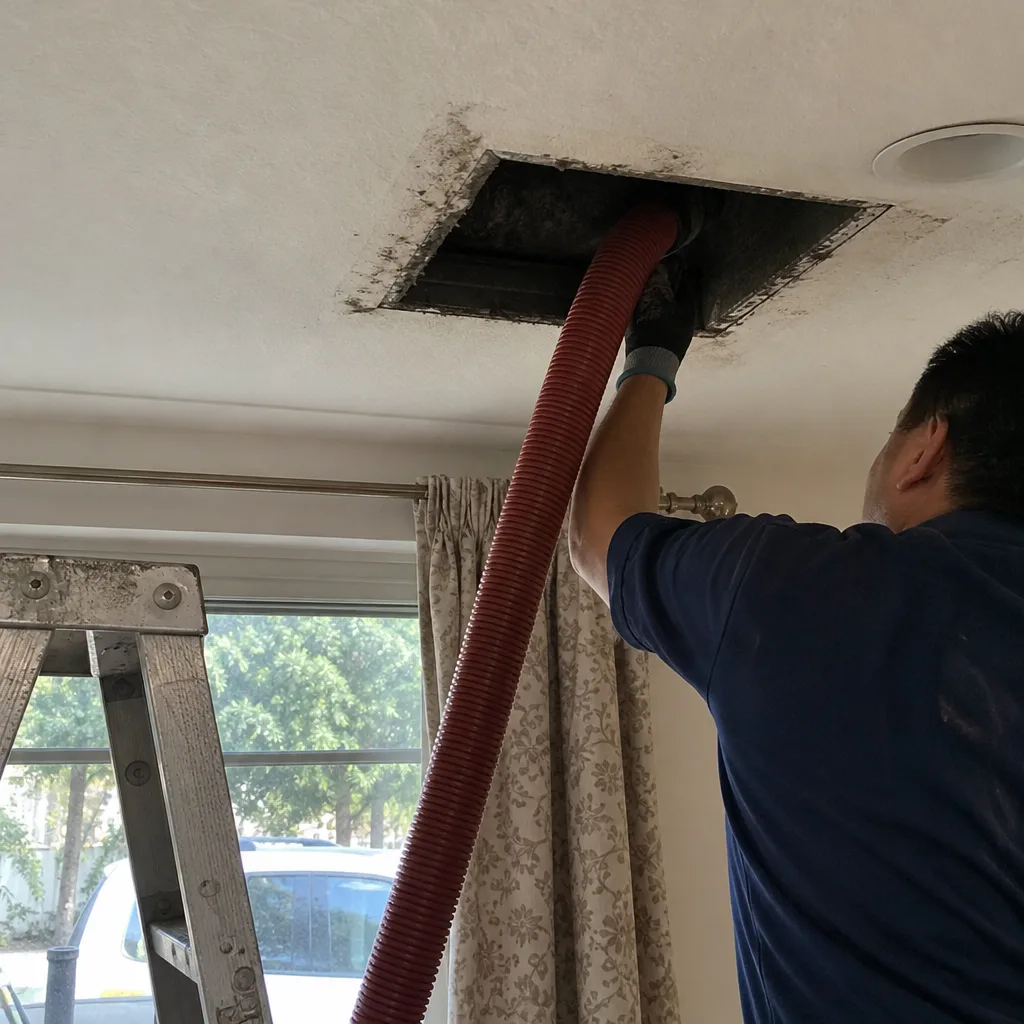 Before
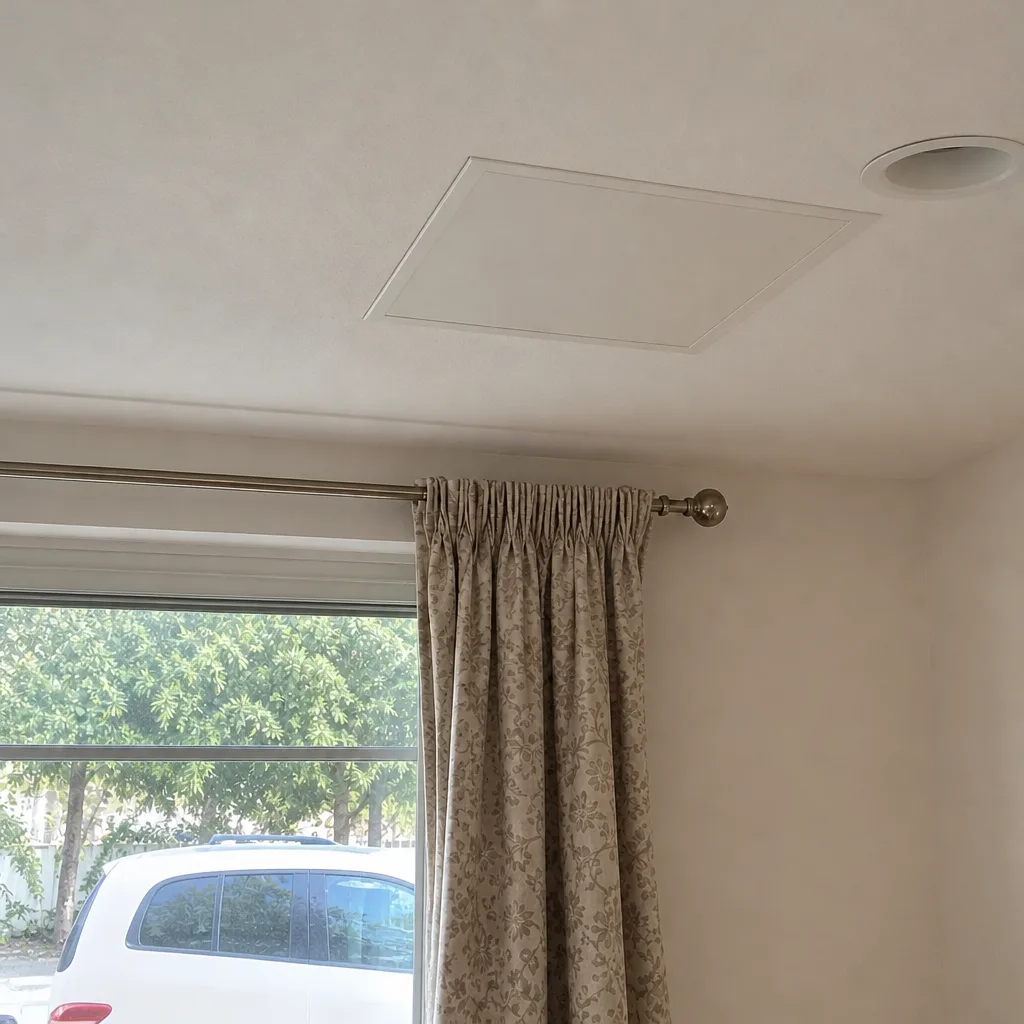 After
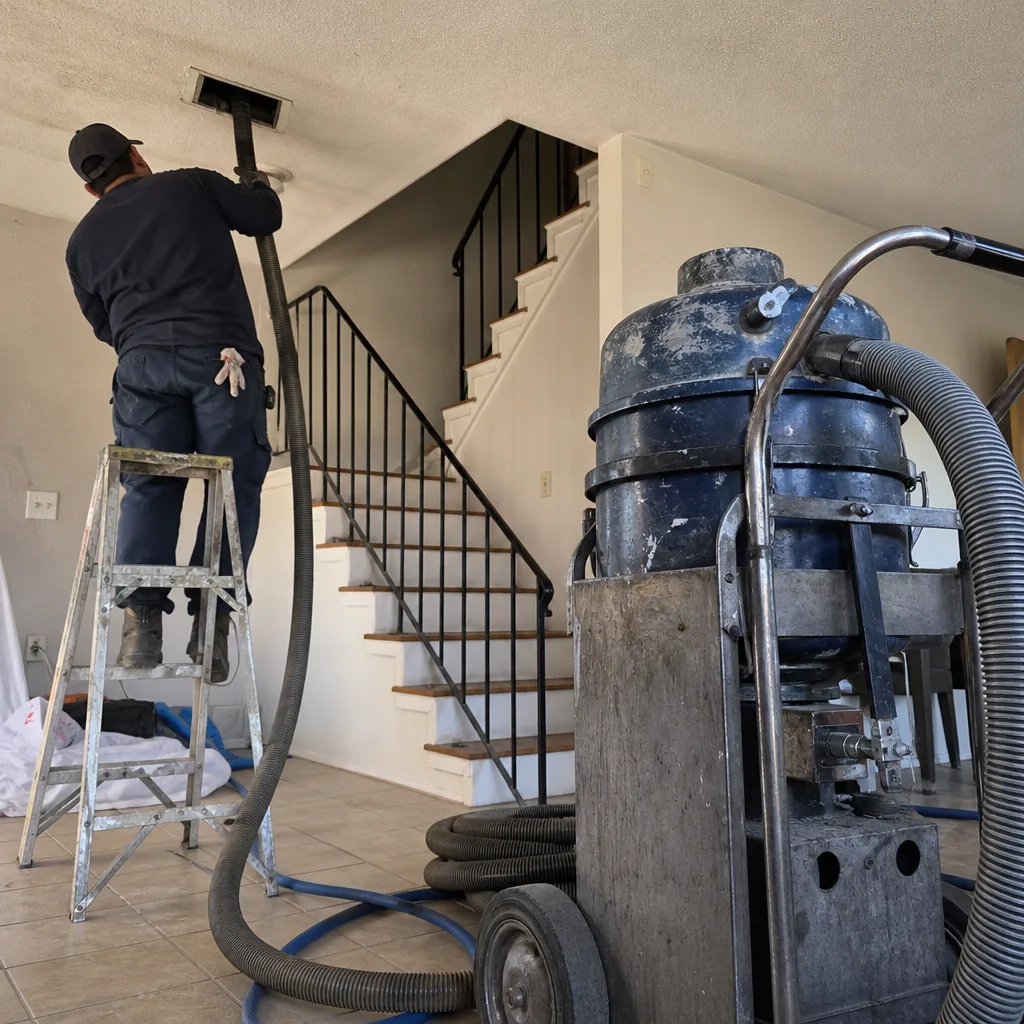 Before
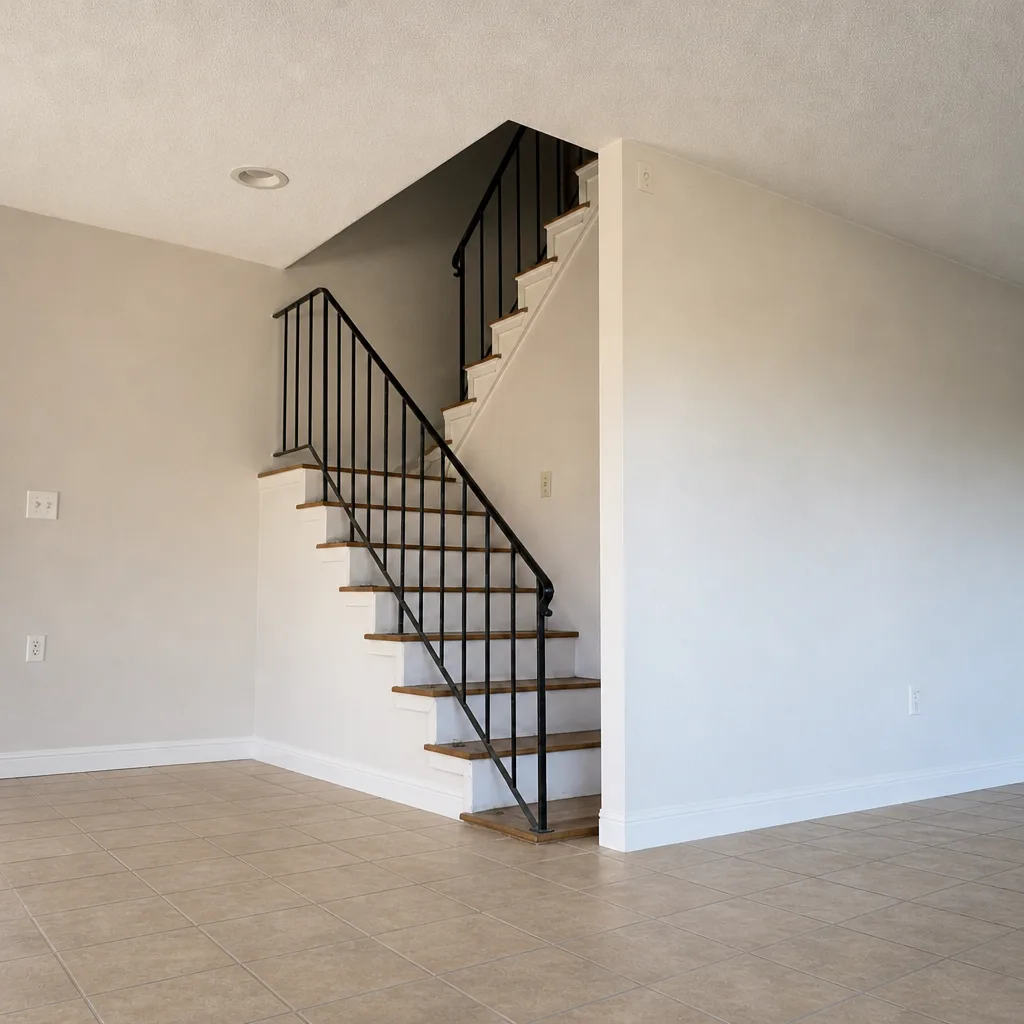 After
When to Call a Professional
Call for a professional duct assessment when any of the following has happened: a significant smoke event that ran for more than a day with your system in operation, an earthquake that produced visible cracks in drywall or knocked items off shelves, any water intrusion that reached attic ductwork, a persistent musty odor when the system runs, or visible mold on the inside of a return plenum or register boot. A first-time cleaning, or a cleaning after years without service, is also a good reason to bring in a professional rather than a DIY kit, because a proper assessment will tell you whether repair or sealing is needed alongside the clean. Placentia Air Duct Cleaning Co offers free estimates in Placentia. Call (833) 545-4372. We answer 24/7. Fast dispatch from 7am to 7pm, Sunday through Friday.
Frequently Asked Questions
Probably, if the smoke event was significant and your system was running while the smoke was present. Smoke particulate settles on the interior duct surfaces, and once it’s there, the system keeps redistributing it. A professional assessment will tell you whether a full-system clean is warranted or whether the contamination is light enough to handle with filter changes and a shorter clean. Call (833) 545-4372 for an exact quote; estimates are free.
You have roughly 48 to 72 hours before damp dust and lint inside the duct can support mold growth. After that window, cleaning alone usually isn’t enough and a remediation-level response becomes necessary. If water has reached attic duct or a ceiling chase, shut the system off and get an inspection quickly. Call (833) 545-4372 to schedule an assessment.
Yes. Duct systems are long chains of taped joints, hangers and connections, and seismic movement can open those seams even without any visible damage to the home. The most common fault we find after an event is a separated return plenum at the air handler, which pulls unfiltered attic or closet air into the system. If you noticed new whistling or reduced airflow after a quake, call for an inspection.
The honest answer is that it depends on the size of the system and the condition of the ductwork after the event, and we set one flat price per system based on a written estimate rather than a per-vent rate. Be cautious of teaser prices advertised before anyone has looked at the system; the price should be agreed before work starts, not discovered on the invoice. Call (833) 545-4372 for a free estimate.
Because they often don’t include the equipment and labor that a real clean requires. A quote that undercuts everyone else usually means a shop vacuum rather than a contained, HEPA-filtered Rotobrush or Nikro system, no agitation tools, no assessment for repair and sealing, and no documentation. The cheaper quote is cheaper because less work is being done. Call (833) 545-4372 for a quote based on a written scope of work.
Ask for before-and-after photos of your own ducts, taken before and after the clean. You should also get a written report of what was cleaned, what repairs were identified, and what the post-clean condition is. If a company can’t provide photos of the duct interior they worked on, that’s a red flag. Call (833) 545-4372 and we’ll walk you through what a completed job should include.
The Bottom Line
Emergency preparedness for a Placentia home isn’t only about water, food and flashlights. It’s also about the system that pushes air through every room. Three events matter most here: wildfire smoke, earthquakes and water intrusion. For smoke, shut the system off, upgrade the filter, then assess. For quakes, inspect the return plenum and every flex connection before assuming the system is sound. For water, act within 48 to 72 hours to prevent mold. Build your emergency duct file now, harden the system before the next Santa Ana wind event, and use a company equipped to clean, repair, seal and sanitize under containment rather than a shop vacuum crew. If you want real air quality rather than a light vacuum pass, that’s the standard we work to.
Call (833) 545-4372 for a free estimate. We answer 24/7. Fast dispatch from 7am to 7pm, Sunday through Friday. For a broader look at what we do, start at Placentia Air Duct Cleaning Co.
Written by the team at Placentia Air Duct Cleaning Co.