
Last updated November 20, 2026
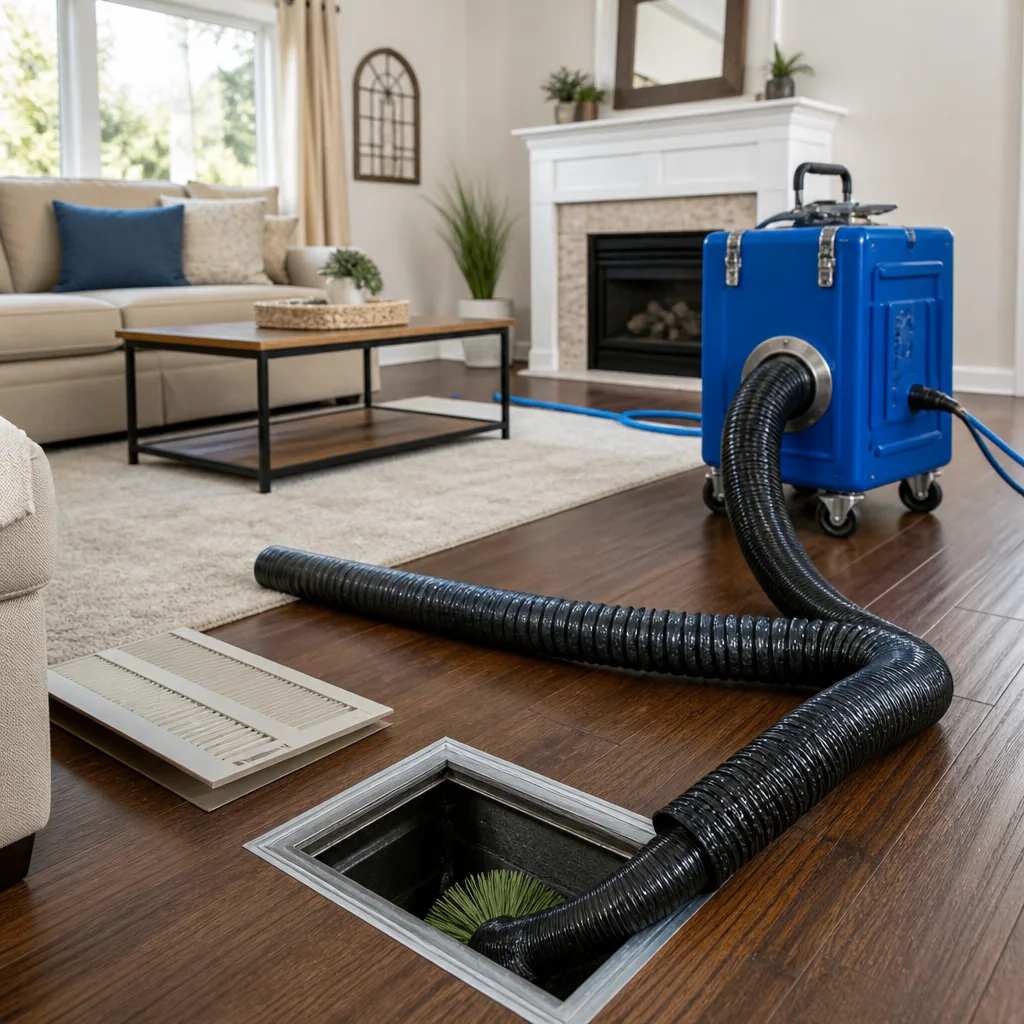 Whole-home duct cleaning
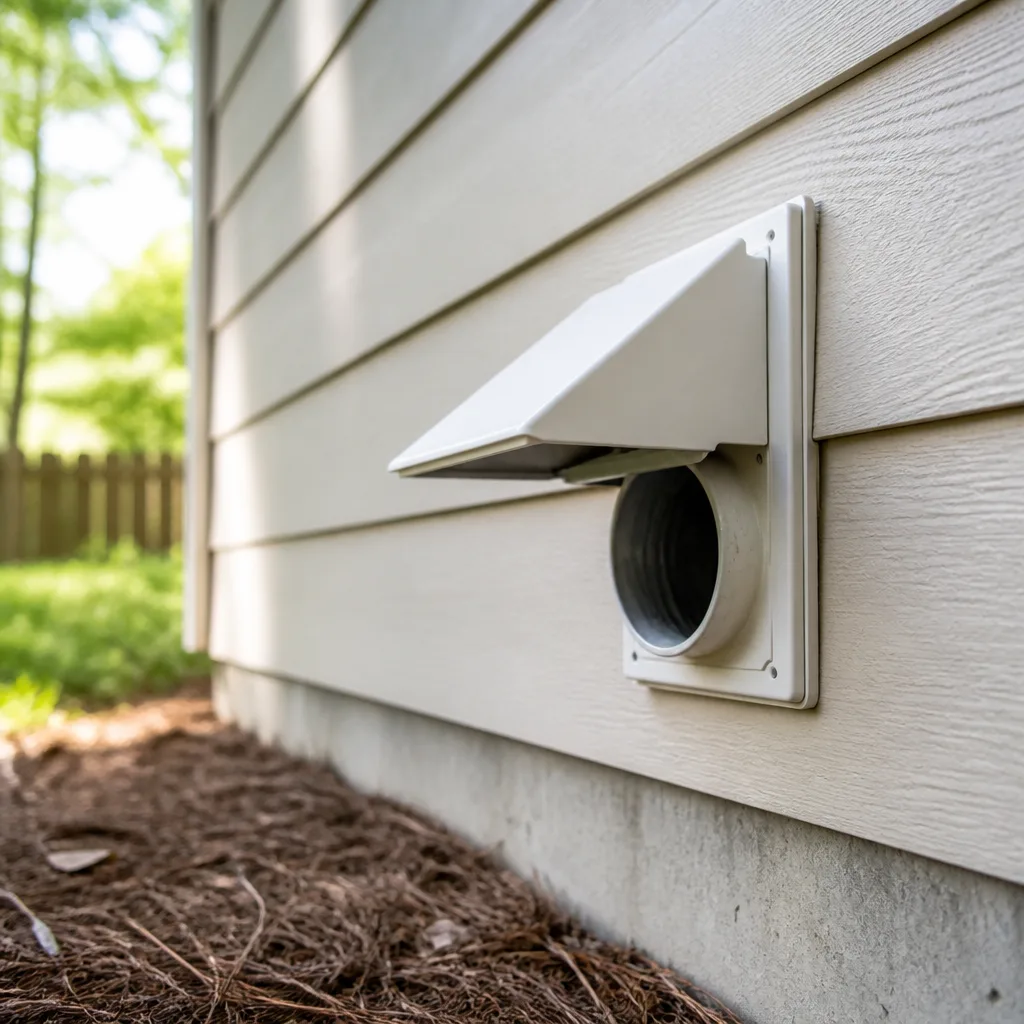 Dryer vent cleaning
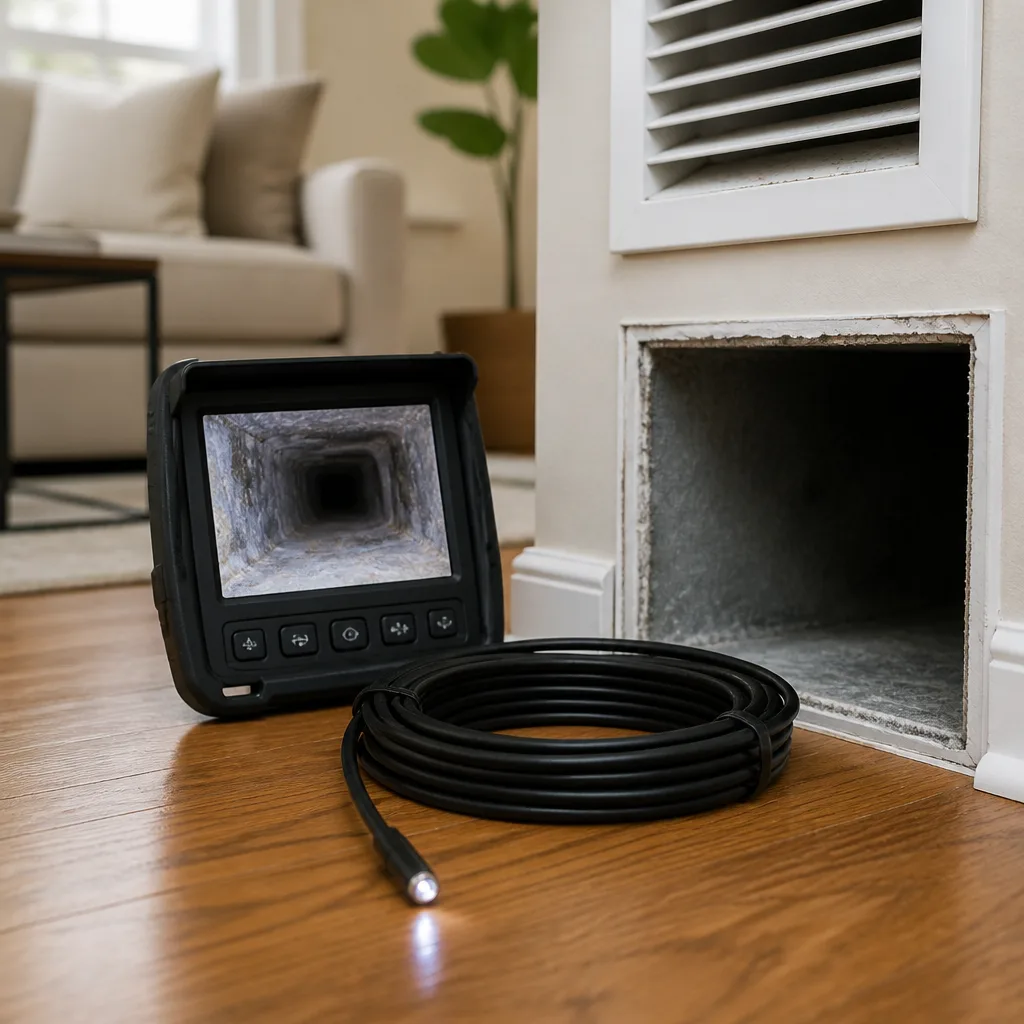 Camera inspection
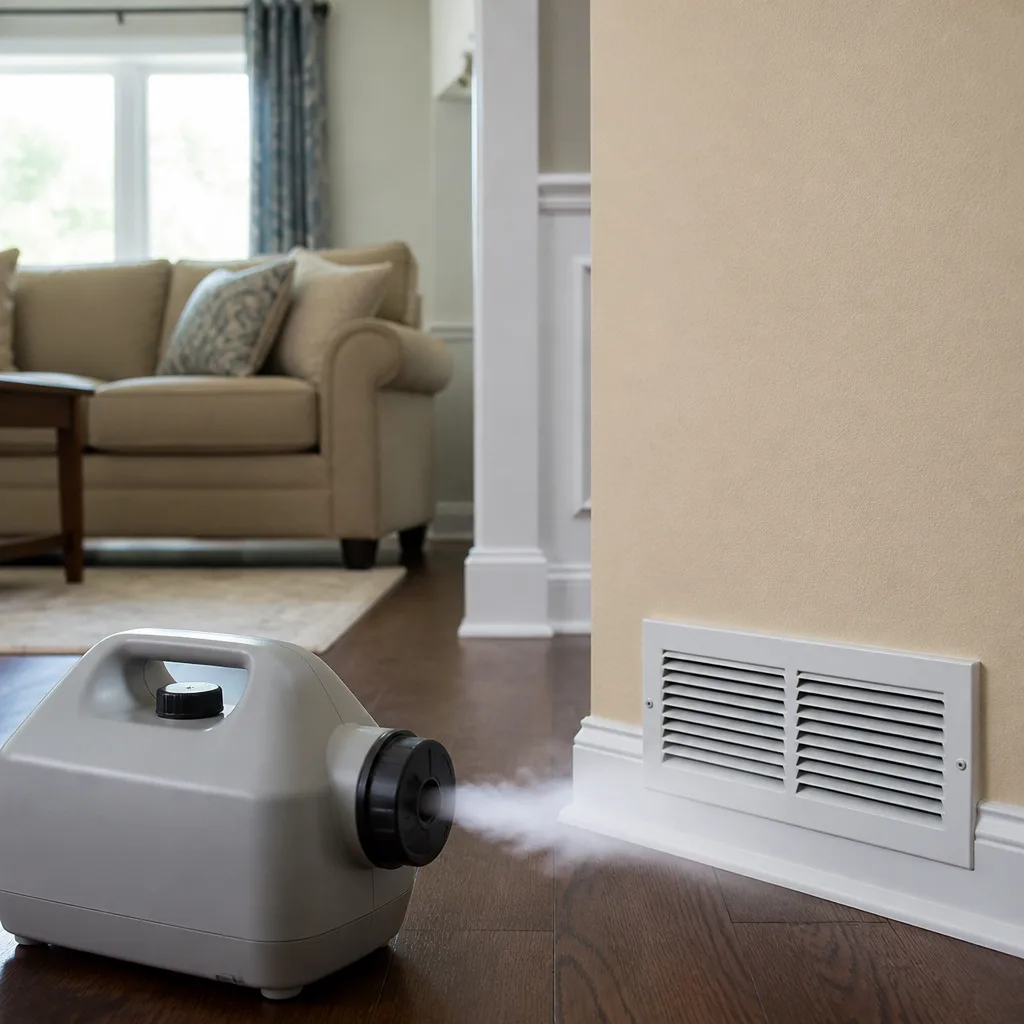 Sanitizing & deodorizing
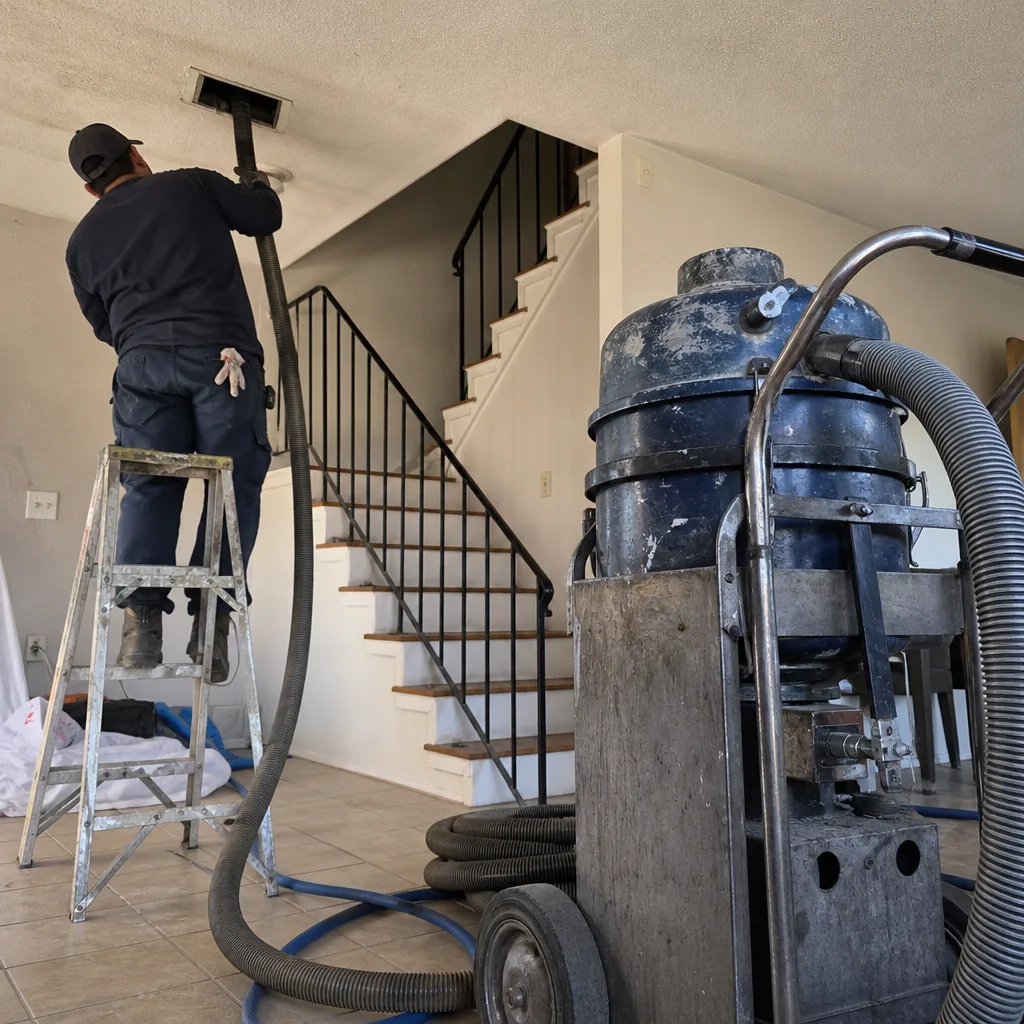
Whole-system duct and dryer vent check with before-and-after photos - you see exactly what came out of your vents
That "$99 whole-house special" is a bait ad - the real number appears once they are in your hallway, or the "clean" is a shop-vac at the register. We photograph the inside of your ducts before and after instead.
Air Duct Cleaning Maintenance Checklist for Placentia Homeowners
Most homeowners change the air filter, mark the job done, and assume their ducts are fine. Filters only catch what reaches them. What bypasses the filter – dust pulled in at gaps, debris that settles on duct walls, particles that cling to flex duct lining – stays in the system and re-enters your living room on the next cycle. That hidden layer is what a real maintenance routine addresses, and Placentia’s specific weather gives that routine a rhythm worth knowing. This guide maps a year of duct upkeep to what actually happens in Placentia: Santa Ana wind weeks, wildfire smoke windows, and the long cooling season that pushes your HVAC harder than almost anywhere else in the county.
Styles & brands we work with
- Whole-home duct cleaning
- Dryer vent cleaning
- Camera inspection
- Sanitizing & deodorizing
Quick Answer
A proper air duct cleaning maintenance checklist for Placentia homeowners runs on four rhythms: filter checks monthly, register inspections seasonally, a professional assessment every two to four years depending on pet or renovation load, and extra checks after every Santa Ana wind event or regional wildfire smoke window. DIY work covers filters, visible registers, and airflow logging. Anything inside the duct system – cleaning, sealing, or sanitizing – needs professional equipment to be done accurately and safely.
Table of Contents
- Why Placentia Homes Need a Seasonal Rhythm, Not Just a Filter Change
- The Month-by-Month Checklist for Placentia Homeowners
- How to Inspect Registers Without Opening the Duct System
- DIY vs. Professional: Which Checklist Items You Can Do Yourself
- Building an Airflow and Filter Loading Log
- Checklist Items for Pets, Renovations, and Aging Flex Duct
- How Often Does Your Placentia Home Really Need Duct Cleaning?
- Common Mistakes to Avoid
- When to Call a Professional
- Frequently Asked Questions
- The Bottom Line
Why Placentia Homes Need a Seasonal Rhythm, Not Just a Filter Change
Placentia sits in a part of Orange County where the calendar has more than four seasons if you’re paying attention to your air. Santa Ana winds arrive in fall and early winter, dry and fast, pushing dust, pollen, and grit through the gaps in even a well-sealed house. Wildfire smoke zones shift with each fire season and send fine particulate into HVAC returns across the region. Then summer arrives and the air conditioner runs nearly every day, pulling a continuous stream of that same material through the system.
A duct system is a closed loop, but that loop pulls from your living space. Every hour the fan runs, air passes through return grilles, across the blower, into the supply ducts, and back into rooms. Any dust or debris clinging to the duct lining gets stirred every cycle. The load compounds. The lining of flex duct, which is common in Placentia’s mid-century housing stock, has a slightly textured inner surface that catches particles more readily than smooth metal. That texture is normal and the duct works fine, but it means the maintenance interval matters more here than it might in a newer build.
Commercial and remediation technicians treat air systems on a calendar, not on a hunch. They clean, inspect, seal, and sanitize on a schedule because the system has hidden surfaces that only accumulate. Placentia homes deserve the same discipline, scaled down. The checklist below is that calendar. It mixes self-performed checks with professional touchpoints so you can see what each item catches and why it’s timed the way it is.
The Month-by-Month Checklist for Placentia Homeowners
This is the core of the guide, and it’s designed around Placentia’s actual seasonal pressures rather than a generic annual reminder. Print it, pin it, and mark it up. Some items repeat monthly; others fire once a year at the right moment.
January and February
- Check the air filter. Santa Ana winds have likely loaded it since the fall. Replace if visibly gray.
- Inspect return registers for fine grit. Look at the grille face and the visible throat of the duct behind it.
- Log the filter’s appearance and the date you changed it.
March and April
- Run a register walk. Open every visible supply and return, look inside with a flashlight, photograph what you see.
- Check for loose or dislodged flex duct at register boots. Feel for air leaking around connections.
- Clean dryer vent lint screen and inspect the exterior vent flap for smooth operation – a good companion task for our dryer vent cleaning.
May and June
- Pre-season HVAC check. Before summer peak load hits, confirm the system is clean enough to run efficiently all season.
- Replace the filter if it hasn’t been changed in the last quarter.
- Note any musty smell when the fan first kicks on. That’s a sign to schedule a professional assessment.
July and August
- Filter check every 30 days during peak cooling season.
- Watch supply registers for uneven airflow: cold spots indicate leaks or blockage.
- Log the number of filter changes for the season. Rising change frequency often signals a duct contamination trend.
September and October
- Filter replacement as Santa Ana season approaches.
- Post-summer register inspection for debris or dust patterns that weren’t there in spring.
- Schedule a professional HVAC cleaning if the system has run a full summer without one.
November and December
- Watch for wildfire smoke windows in the regional air quality forecast. During a smoke event, close windows, run the fan on low, and expect the filter to load faster.
- Filter change after each smoke window that lasted more than a few days.
- Register inspection for grit intrusion after the last Santa Ana event of the season.
The rhythm here is what matters. Every check is quick, but the pattern reveals trends that a one-time inspection misses.
How to Inspect Registers Without Opening the Duct System
You can learn a lot about duct condition without removing a single duct run. Registers are your windows into the system. Here’s how to read them accurately.
- Turn off the system before you start, to avoid blowing dust into your face and to let visible debris settle.
- Remove the register grille (usually one or two screws, or a snap-fit).
- Shine a flashlight into the visible throat of the duct. Look at the first couple of feet. If it’s metal, the surface should be relatively clean with light dusting. If it’s flex duct, the inner liner should look pale and mostly uniform.
- Check for dark streaks, mat buildup, or clumped debris. Any of those signals accumulation beyond what normal airflow deposits.
- Look at the register boot junction – where the duct connects to the metal boot at the wall or ceiling. Gaps here are common and let air bypass the intended path.
- Photograph each register. Date the photo. This is the earliest form of longitudinal record, and comparing pictures month to month tells you more than a single glance ever will.
- Reinstall the grille and note anything that seemed off in your checklist log.
What you can’t see from the register is the main trunk line, the transition at the air handler, and the inner curves where dust tends to concentrate. Those require a camera inspection and professional vacuum, which is where the line between homeowner tasks and professional tasks becomes clear.
DIY vs. Professional: Which Checklist Items You Can Do Yourself
Being honest about this boundary is important. Some items reward care and attention. Others truly require equipment you wouldn’t want to buy for one job.
- DIY: Filter change, filter logging, register grille cleaning, flashlight inspection of register throats, visible airflow check at each supply, dryer vent screen cleaning.
- DIY: Photographing register interiors and dating the images for your log. This is one of the most useful things a homeowner can do.
- DYI, not DIY: Duct interior cleaning. A shop vacuum can’t pull material from the far reaches of a trunk, and pushing a hose into a duct without proper containment can spread debris rather than remove it.
- Professional only: Full-system cleaning with negative-pressure containment, which is how commercial and remediation-grade work is done. Our technicians use Abatement Technologies equipment for exactly this reason – it controls where debris goes.
- Professional only: Duct repair and sealing at compromised joints or boots. If the duct is leaking, cleaning alone won’t fix it.
- Professional only: Sanitizing after cleaning. We use Guardsman-backed treatments applied post-cleaning for documented antimicrobial protection, and the application is calibrated to the system’s size and layout.
The rule of thumb: if the task involves surfaces you can see and reach, it’s yours. If it involves surfaces you can’t see or can’t safely reach, it belongs with a trained technician. Our team has experience across full-system jobs, and our technicians have up to 11 years of experience. We’re the Placentia Air Duct Cleaning Co, and we build the full checklist around what your specific system actually shows.
Building an Airflow and Filter Loading Log
Here’s a habit most homeowners never form, and it’s the single most useful one for long-term duct health: keep a log. Not a complex spreadsheet. A notebook by the thermostat works fine.
Log four things every time you check the system:
- Date.
- Filter condition (light, moderate, heavy dust load).
- Airflow feel at the weakest supply register (strong, medium, weak).
- Anything unusual (smell, noise, visible debris at a register).
After three to six months, patterns emerge. A filter that loads in three weeks during Santa Ana season is expected. A filter that loads in three weeks in the middle of a mild spring is a signal. A weak register that only becomes weak after the AC has run for a month is a sign of a duct leak or partial blockage that a professional camera inspection can locate precisely.
This log doubles as a diagnostic tool when you call for service. A technician walking in with six months of your record is far more efficient than one starting from zero. For a professional-grade start, a proper air duct cleaning establishes a clean baseline, and your log then tracks how the system behaves from there.
If you also have pets or recently renovated, expect filter loading to run 30-50% faster than the baseline your log shows during quiet periods. Adjust the replacement interval accordingly. Small change, real payoff.
Checklist Items for Pets, Renovations, and Aging Flex Duct
Not every Placentia home runs the same checklist. Three situations push the frequency and depth of maintenance upward.
Homes With Pets
Pet dander is lighter than dust and clings to duct lining with surprising tenacity. It also holds odors. Filter changes should happen every 30 days during heating and cooling seasons. Register inspections should happen every other month instead of quarterly. A sanitizing treatment after cleaning makes more of a difference in a pet household than in a home without animals, because dander removal is more complete post-clean than via filter changes alone.
Recent Renovations
Drywall dust is fine, pervasive, and travels the entire duct system in hours. If you’ve had walls opened, flooring replaced, or cabinetry installed, schedule a full-system cleaning within a month of the work wrapping up, and stay on a shorter cleaning interval for the first year after. Change filters every two weeks during the renovation itself; you’ll be surprised how fast they load. This is the single most overlooked checklist item among Placentia homeowners who’ve just updated a kitchen or bath.
Aging Flex Duct
Mid-century Placentia housing often has flex duct installed during upgrades from the original metal runs. Flex duct is quieter and easier to route, but its inner liner can degrade over decades, leading to small tears and contamination pockets invisible from the register. If your home was built before the 1980s and you haven’t had a professional camera inspection, add one to the checklist. Repair and sealing at compromised joints – which we handle in-house, not subcontracted – often makes more difference than cleaning alone in these homes.
One more note for all three categories: recognized air quality products from Honeywell and Aprilaire can supplement good maintenance by improving filtration at the system level. We supply and install those when the log shows filtration is the bottleneck.
How Often Does Your Placentia Home Really Need Duct Cleaning?
There’s no universal answer, but Placentia’s climate narrows the range considerably. For most homes here, a professional full-system cleaning every two to four years is the right rhythm, with the exact interval driven by what your log shows.
Use these signals to move the interval earlier:
- Pets in the home (shorter to every two years)
- Recent renovation (clean within a month of completion)
- Frequent Santa Ana exposure without good envelope sealing
- Wildfire smoke event that lasted more than a week
- Visible debris or dark streaks at register throats
- Musty odor when the fan first starts
- Aging flex duct with any sign of liner deterioration
And these to extend it slightly:
- No pets, no recent renovation, and clean registers on every quarterly walk
- A log that shows stable filter loading across seasons
- A system that’s been sealed at the boots and trunk transitions
Two to four years is a starting range, not a hard rule. Treat it as a checkpoint and let the log drive the actual call.
Common Mistakes to Avoid
- Trusting the filter alone. Filters catch what reaches them. They do nothing for debris already on the duct lining or material bypassing a poorly sealed filter slot. Placentia homes with older filter boxes often have visible gaps here that quietly feed the ducts.
- Cleaning registers only, not ducts. Wiping the grille looks good and does almost nothing. The contamination sits behind the register, in the visible throat and beyond.
- Skipping register photos. A glance is not an inspection. Without a photo to compare against, you can’t see accumulation trends over months.
- Ignoring a musty smell. Odor from the ductwork is a signal that microbial growth or accumulated material is present. It doesn’t resolve with a filter change, and it’s the kind of thing that should trigger a professional assessment.
- DIY-inserting a hose or brush into flex duct. Flex duct inner liners tear easily. A torn liner becomes a collection point, which makes the problem worse rather than better.
- Running the fan constantly during a wildfire smoke event without changing filters faster. Placentia sits downwind of regional smoke events often enough that this pattern matters. The fan is doing the right thing; the filter interval needs to speed up during those windows.
- Assuming ductwork doesn’t need sealing. Duct repair and sealing is part of maintenance, not a separate project. Gaps at boots and trunk transitions waste conditioned air year-round and pull unconditioned dust into the loop.
When to Call a Professional
The checklist above handles most of the routine. These scenarios call for a professional assessment:
- Dark streaks or thick, matted debris visible at any register throat
- Musty odor every time the fan starts
- Uneven airflow across supply registers that persists after filter changes
- Recent renovation that’s now finished
- Aging flex duct without a recent camera inspection
- Wildfire smoke event that lasted more than a week
- Visible gaps, tears, or disconnections anywhere in the duct run
Placentia Air Duct Cleaning Co offers free estimates in Placentia – call (833) 545-4372. We answer 24/7. Fast dispatch from 7am to 7pm, Sunday through Friday. Our technicians arrive with Rotobrush and Nikro equipment because that’s the caliber of tool the job actually requires, and we clean the system rather than just the vents.
Frequently Asked Questions
Every two to four years is the right rhythm for most Placentia homes, with pets, recent renovation, or aging flex duct pulling that interval shorter. Wildfire smoke windows and strong Santa Ana seasons also compress the schedule. If you’re logging filter changes and register condition, you’ll see the right timing clearly within a few months of starting. Call (833) 545-4372 for an exact assessment – estimates are free.
No. Filters catch particles that reach them, but ducts accumulate material that never passes the filter – debris that settles on the lining, dust that bypasses a poorly sealed filter slot, and particles that cling to flex duct interior. The filter and the duct cleaning work as a pair, not as substitutes. Call (833) 545-4372 with your system’s details – estimates are free.
Cheap quotes usually reflect a smaller scope than the job requires – a quick vacuum at the registers rather than full-system cleaning with negative-pressure containment. Professional duct cleaning involves equipment that controls where debris goes, not just where it’s pulled from. The right comparison is what’s being cleaned and how, not just the number. Call (833) 545-4372 for an exact quote – estimates are free.
The clearest sign is what the technician photographs before and after – register throats, trunk transitions, and if cameras are used, the interior of the main lines. We show before-and-after photos of your ductwork so you can see what changed. Ask any contractor what they’ll document before they start. Call (833) 545-4372 – estimates are free.
No. Duct repair and sealing is best done on the same visit as cleaning, because a technician who’s already inside the system can spot and fix compromised joints, tears, or disconnections on the spot. We handle repair in-house, not subcontracted, so scheduling and accountability stay with us. Call (833) 545-4372 for a combined assessment – estimates are free.
Yes, if a technician finds gaps at boots, trunk transitions, or anywhere the run has separated. Sealants and mastic restore the intended air path and stop the system from pulling in unconditioned dust. Cleaning without sealing often means re-contamination within a year. Call (833) 545-4372 – estimates are free.
The Bottom Line
A duct maintenance checklist for a Placentia home isn’t a reminder list. It’s a diagnostic calendar that maps your system to Santa Ana season, wildfire smoke windows, and the summer cooling peak that runs your HVAC harder than most places in the county. Filters monthly, registers seasonally, professional cleaning every two to four years, and a written log that reveals trends over time. Do the checks you can reach yourself; call a professional for what’s hidden. Whether you’re in the middle of Santa Ana season right now or planning the year ahead, the best next step is to start the log and book a free estimate so you have a clean baseline to track from.
Placentia Air Duct Cleaning Co offers the full checklist under one roof: cleaning, dryer vent, HVAC, repair and sealing, and air quality sanitizing, using Rotobrush, Nikro, and Abatement Technologies equipment. Call (833) 545-4372 for a free estimate. We answer 24/7. Fast dispatch from 7am to 7pm, Sunday through Friday.
Written by the team at Placentia Air Duct Cleaning Co.
See the difference
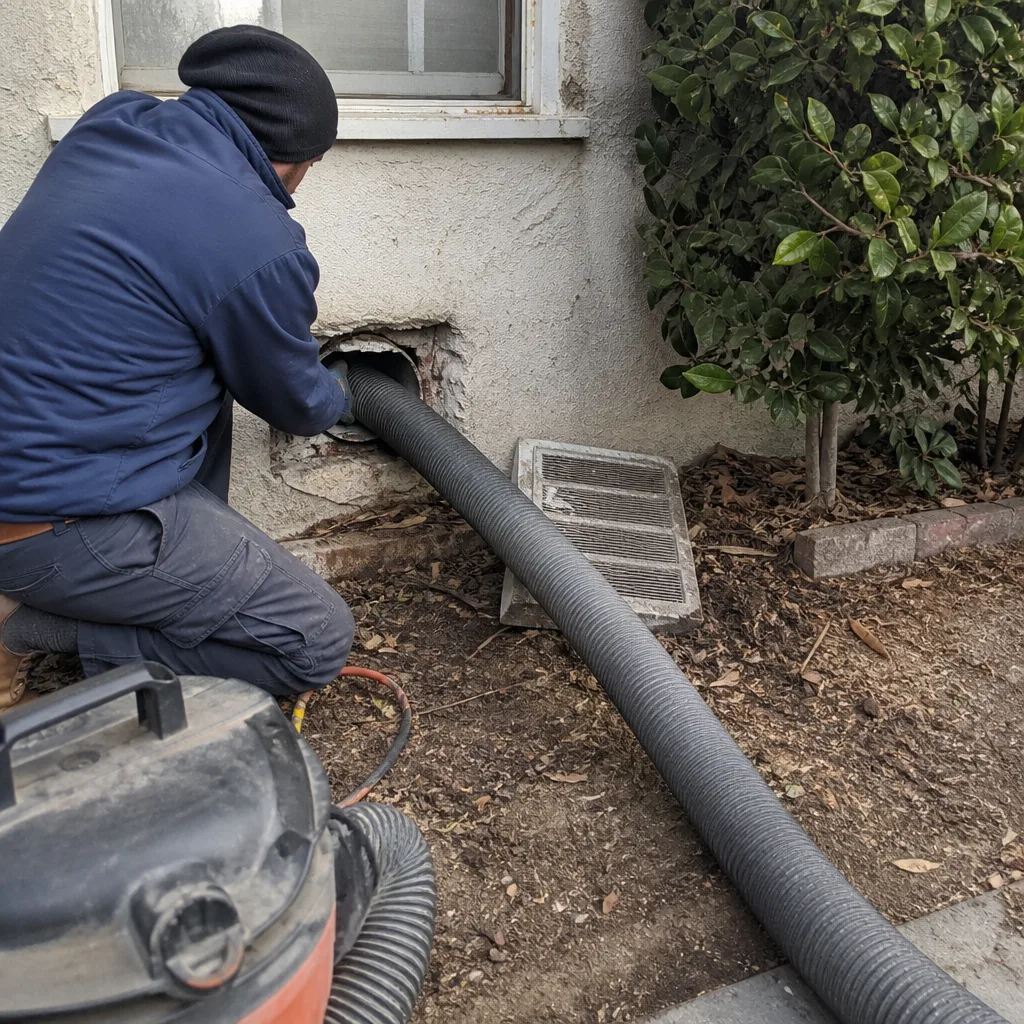 Before
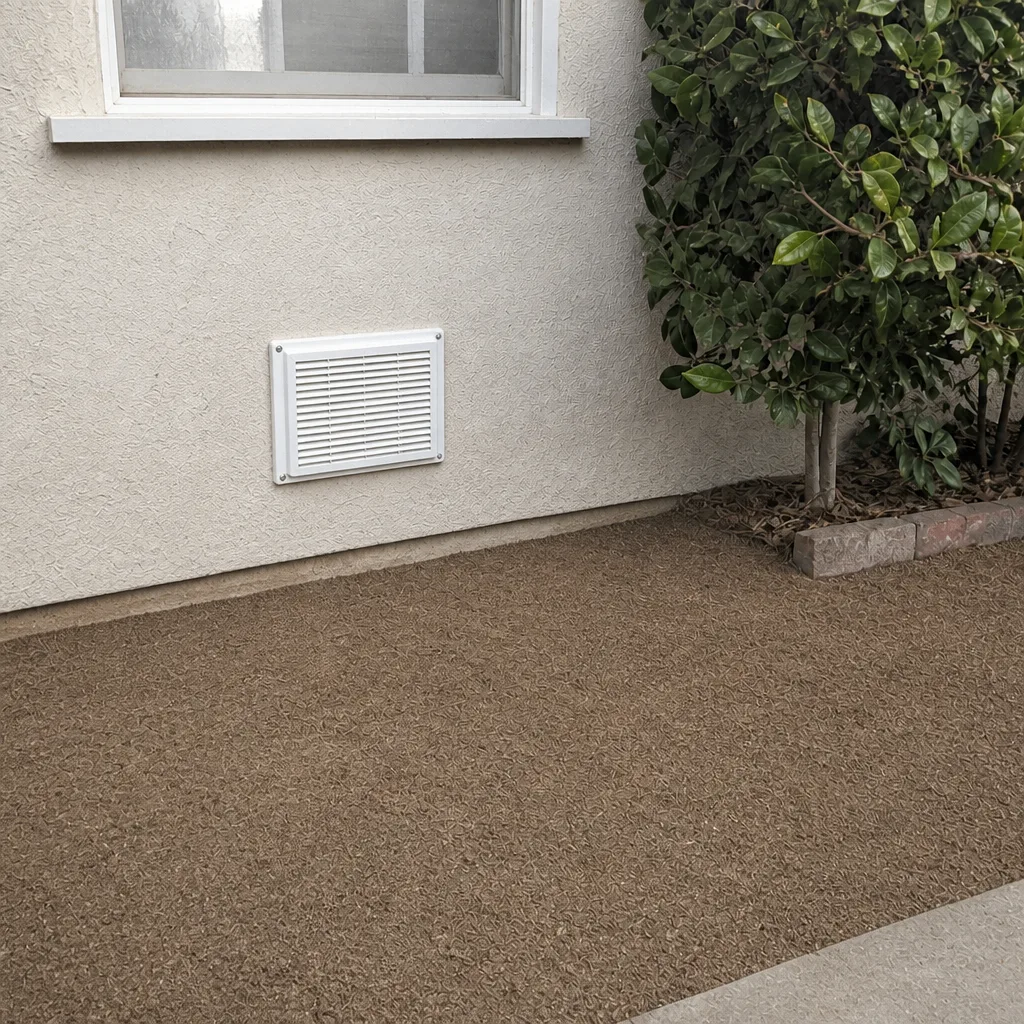 After
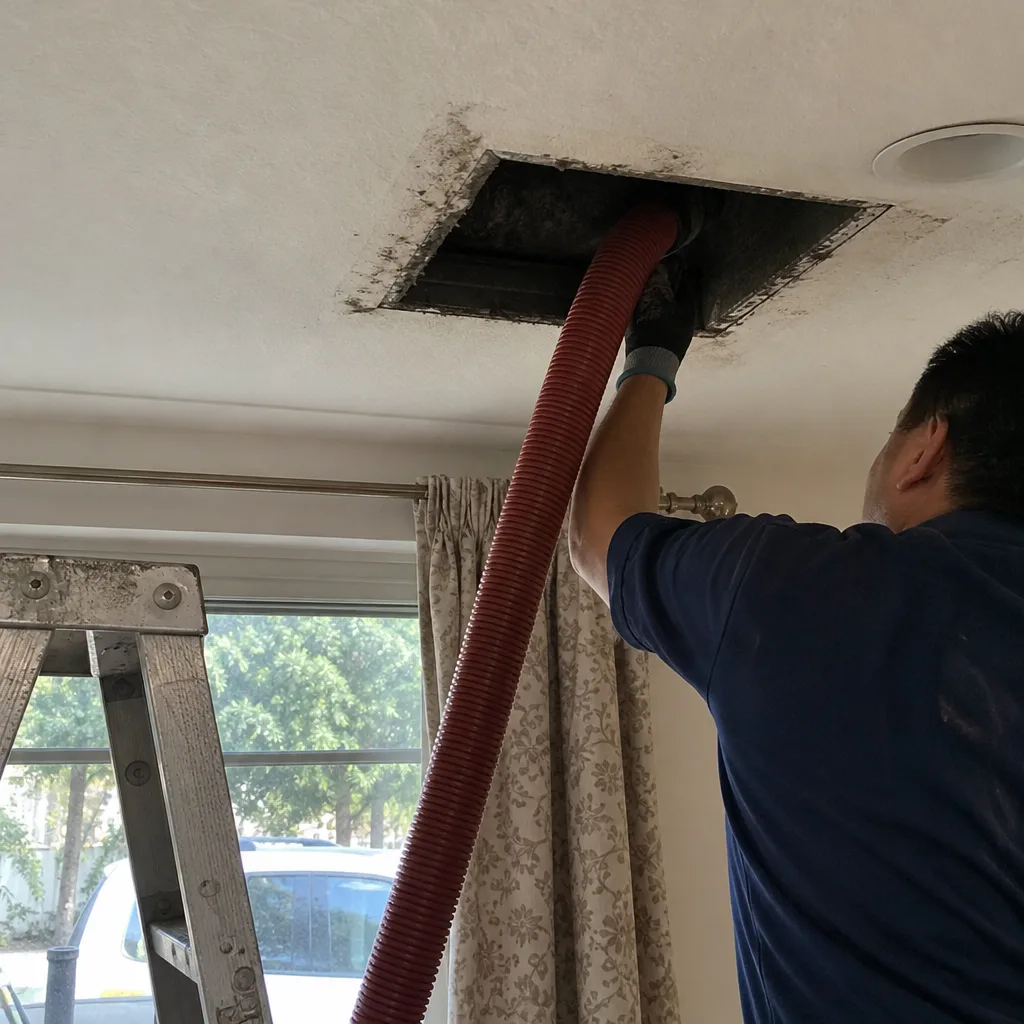 Before
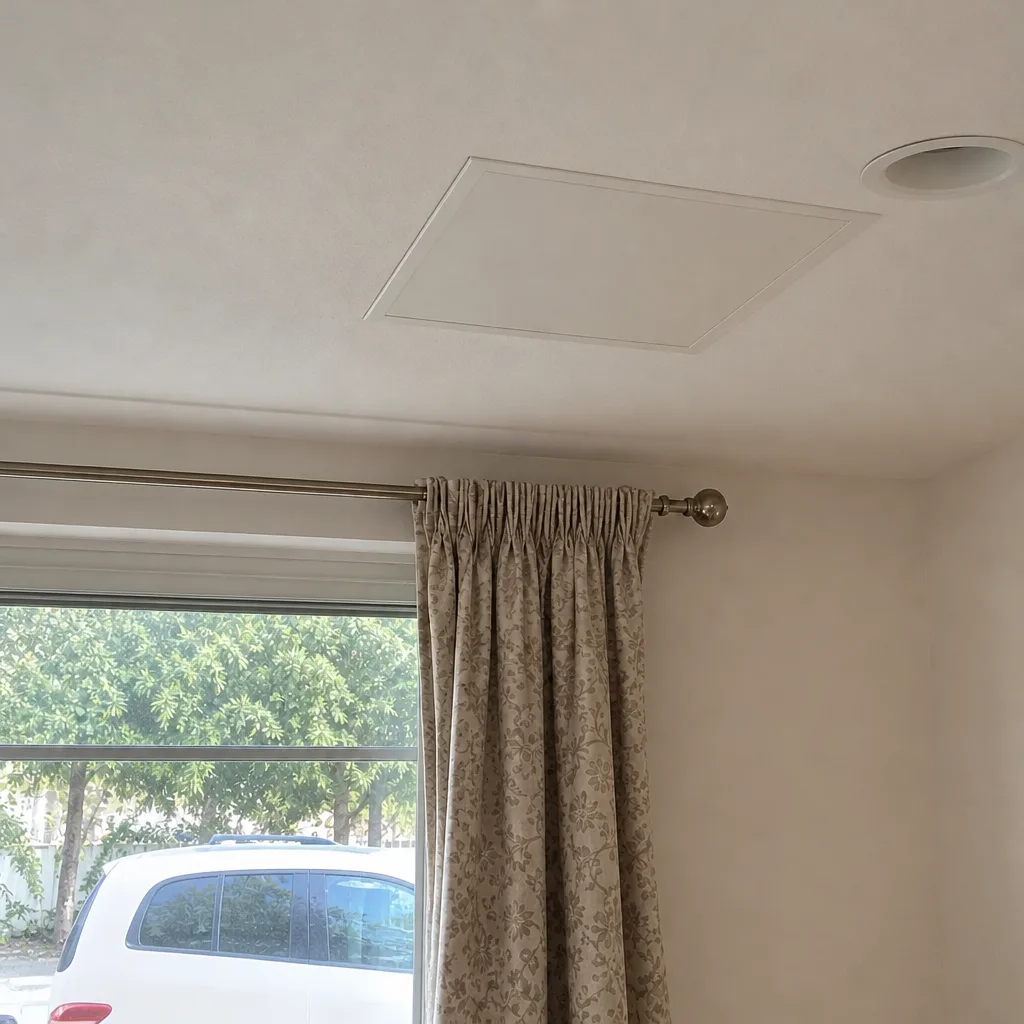 After
 Before
 After