
Last updated November 20, 2026
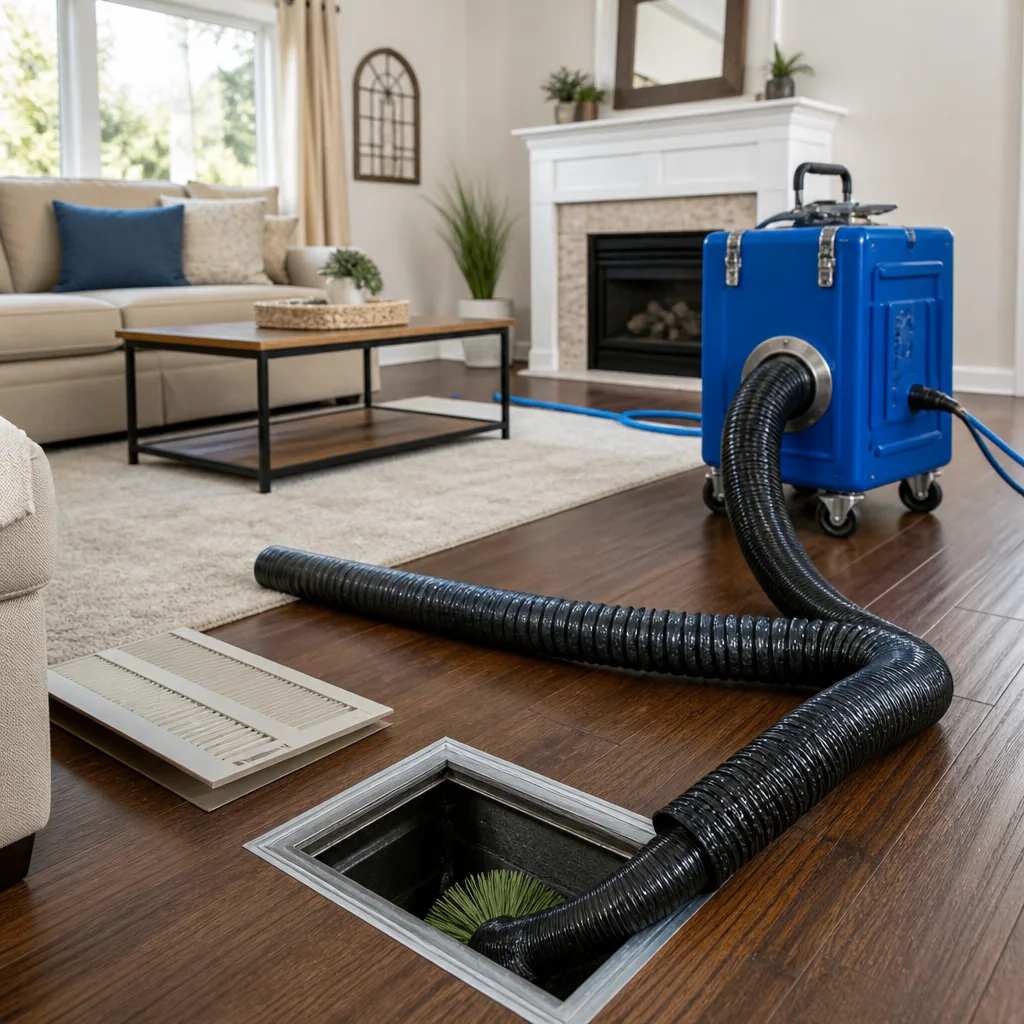 Whole-home duct cleaning
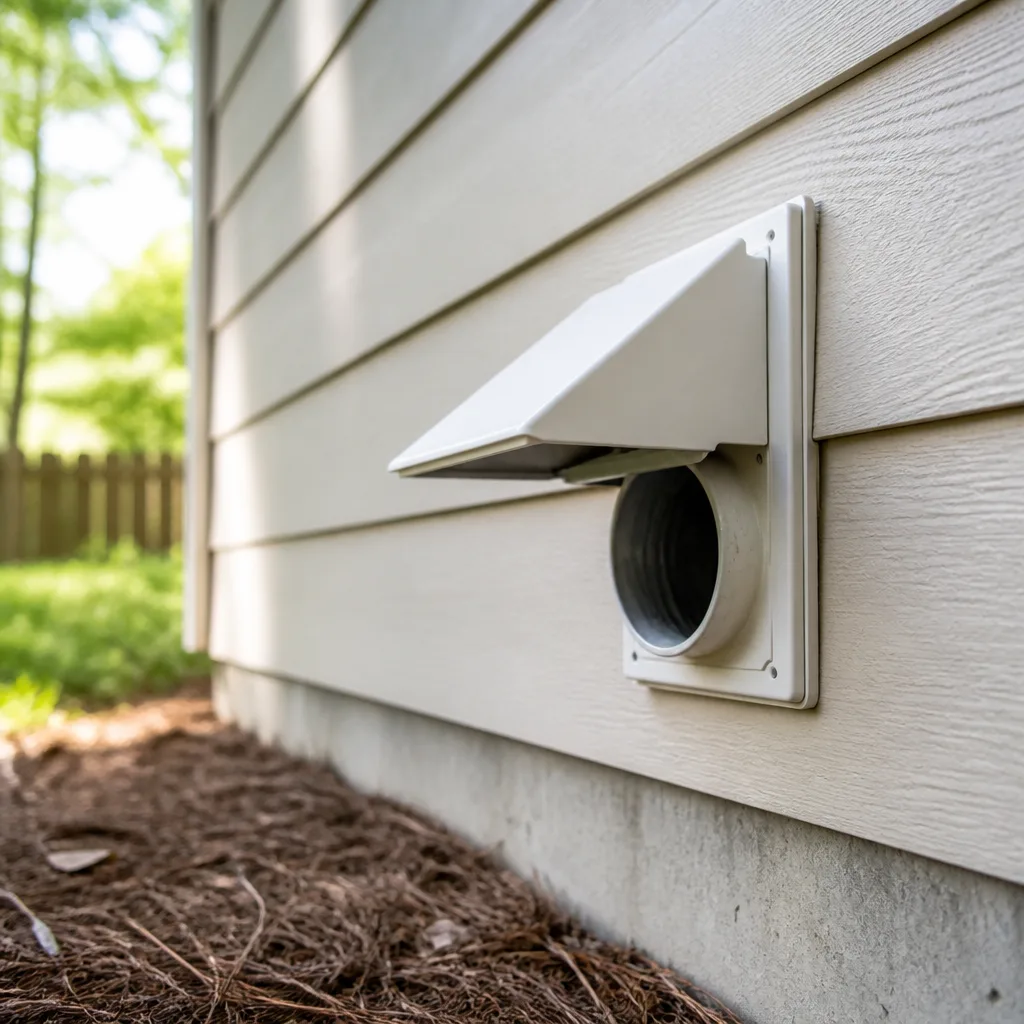 Dryer vent cleaning
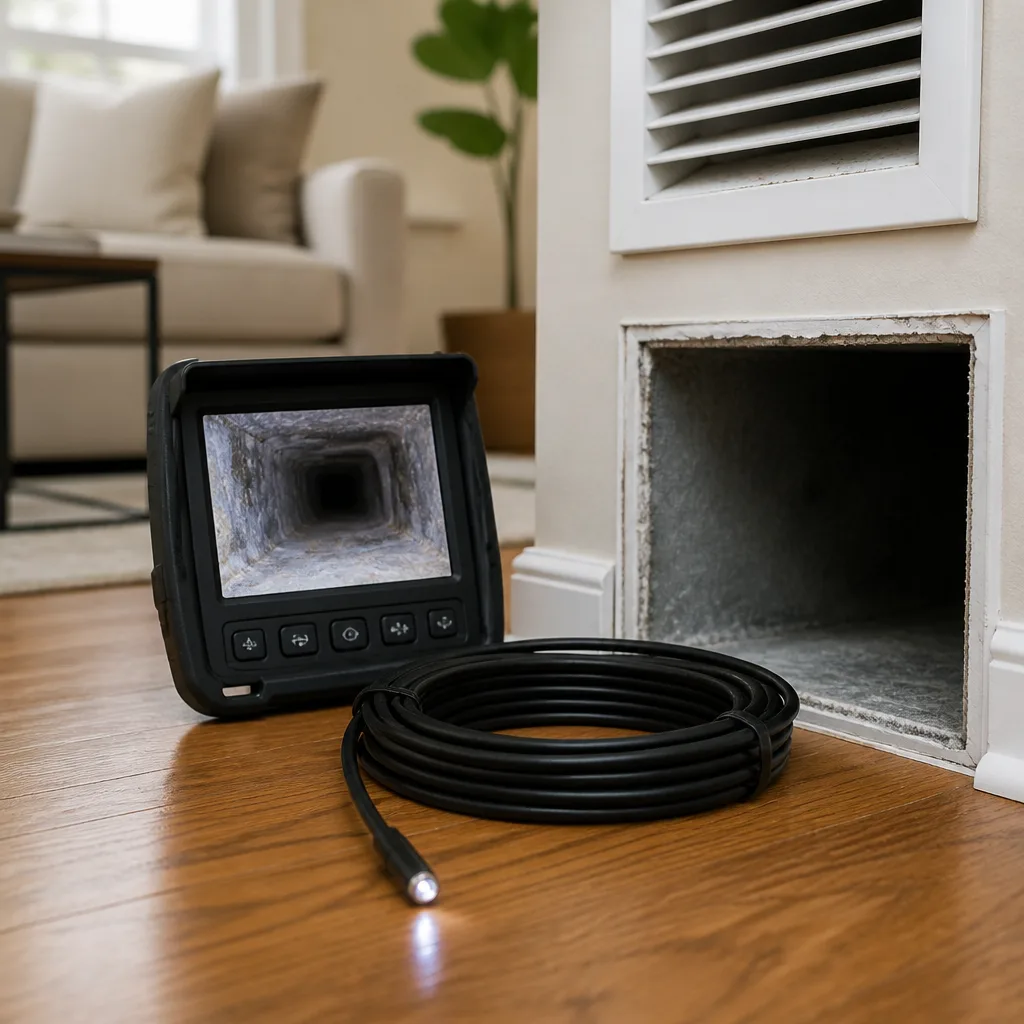 Camera inspection
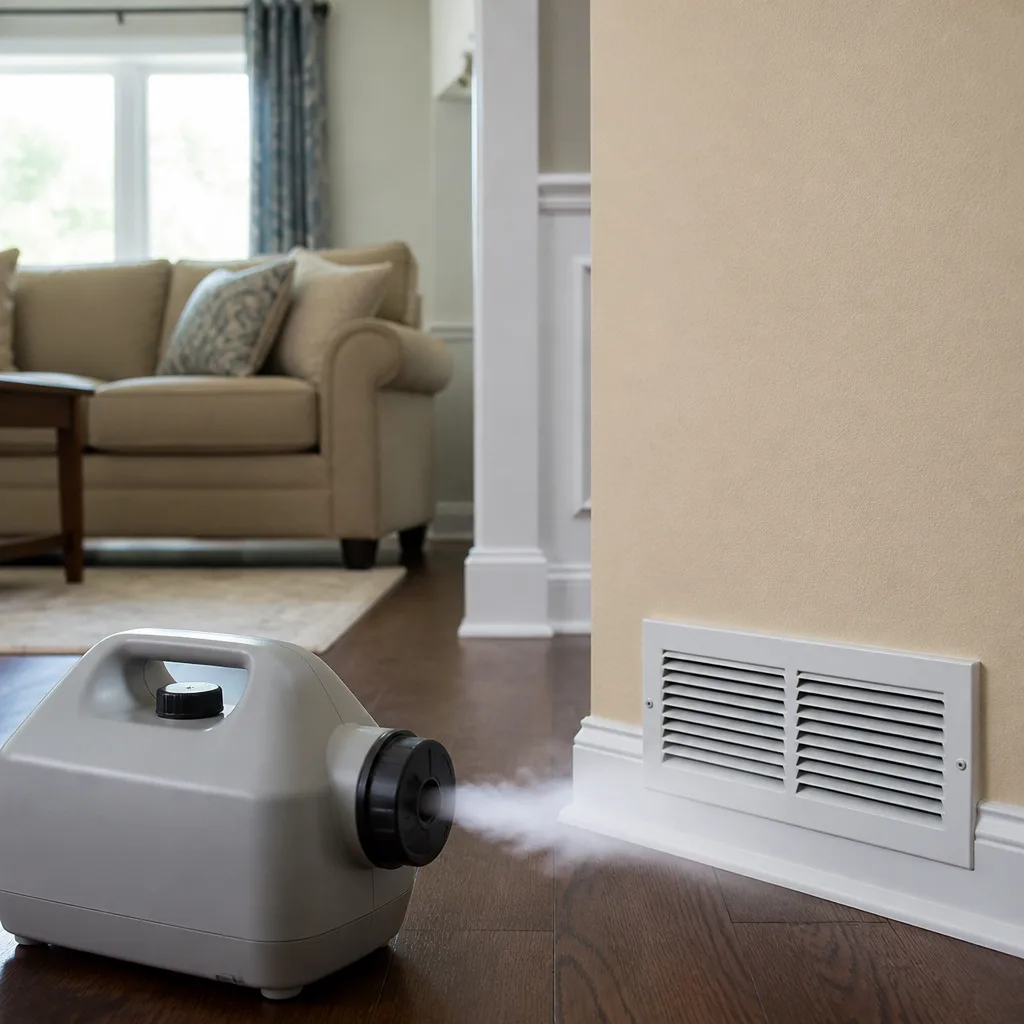 Sanitizing & deodorizing
Whole-system duct and dryer vent check with before-and-after photos - you see exactly what came out of your vents
That "$99 whole-house special" is a bait ad - the real number appears once they are in your hallway, or the "clean" is a shop-vac at the register. We photograph the inside of your ducts before and after instead.
Air Duct Cleaning Warning Signs: A Placentia Homeowner’s Reference Guide
Visible dust blowing from a register is usually the last warning sign to show up, not the first. By the time a Placentia homeowner notices it, contamination in the duct lining, the cooling coil, and the drain pan has often been building for months or years. What’s frustrating is that the earlier signals are there the whole time, just quieter: a room that runs a few degrees warm, filters that seem to clog faster every season, a whiff of something musty the moment the fan kicks on. This guide is built around those less obvious indicators, the ones a technician reads with instruments but you can learn to spot with a flashlight, a thermometer, and a little attention. We’ll walk through what each sign means, what it doesn’t mean, and when it’s worth getting a professional look.
Quick Answer
The most reliable warning signs of dirty air ducts are accelerating filter loading, uneven room temperatures that don’t trace back to the thermostat, musty odor at system startup, visible debris past the register grille, and allergy symptoms that track with HVAC operation rather than the calendar. You don’t need specialized tools to notice any of them. If two or more are showing up in your Placentia home, it’s a reasonable time to have the system inspected and cleaned.
Styles & brands we work with
- Whole-home duct cleaning
- Dryer vent cleaning
- Camera inspection
- Sanitizing & deodorizing
Table of Contents
- Why the Obvious Signs Come Last
- Uneven Room Temperatures as a Blockage Clue
- What Accelerating Filter Loading Tells You
- Musty Odor: Startup vs. Continuous Operation
- Using a Flashlight and Mirror at the Register
- Allergy Symptoms That Track With Your HVAC
- Other Signs Worth Knowing
- What a Professional Cleaning Actually Involves
Why the Obvious Signs Come Last
Think about how your ductwork works in a Placentia home. A cabinet-mounted or closet air handler moves air through insulated flex or sheet metal runs, past a filter, and into rooms through registers. The visible dust you see at a supply register is only the fraction that made it that far. Long before it reaches your ceiling grilles, contamination is settling on the inside walls of the duct, the cooling coil, and the drain pan, all places you never look at. That’s the first reason the obvious sign shows up last.
The second reason is geometry. Supply registers blow downward or sideways, not backwards into the room, so dust collects in the grille vanes and the first few inches of duct before it ever shakes loose into your space. A homeowner who wipes a register every week can be wiping away a symptom that barely registers the problem behind it.
What we look for instead is a pattern shift, not a single dirty grille:
- Time between filter changes getting shorter. A filter you used to swap every three months now looks loaded in six weeks.
- Rooms drifting out of balance. The bedroom that used to match the living room now runs two or three degrees warmer in cooling season.
- Smell at startup. The first thirty seconds after the fan comes on tell you something the room itself hides.
- Symptom timing. Your nose and lungs respond to when the system runs, not just to pollen season or Santa Ana winds.
- Visible debris past the grille. Not surface dust on the vanes, but material sitting in the duct throat behind them.
None of these are emergencies. They’re the kind of slow drift a homeowner notices over a couple of seasons, and the earlier you read them, the more options you have when it comes to scheduling an air duct cleaning rather than reacting to a system that’s already struggling. If you’d like a second set of eyes on what you’re seeing, our team can walk through it with you.
Uneven Room Temperatures as a Blockage Clue
When one room in your home runs warm while the rest feels fine, the common instinct is to blame the thermostat or the insulation. Most of the time, in our experience, it’s neither. Uneven temperatures across a house in Placentia often trace to partial duct blockage: a run that has drifted, a junction that was never sealed tightly, a section of flex duct that collapsed or collected debris at a bend. The thermostat reads the average of the house, not the room, so a single restricted branch can show up as “this room is always hot” long before anything registers at the wall control.
Here’s how to tell blockage from a thermostat problem without opening anything:
- Place a cheap thermometer in the warm room and one in a room that feels normal. Let both sit for a full cooling cycle.
- Note the difference. Two or three degrees in cooling season is common and usually fine. Five or more degrees of drift across a single story is worth investigating.
- Check the register grille in the warm room by hand. Airflow that feels noticeably weaker than a similar register nearby points at a restricted run, not a failed thermostat.
- Listen at the grille with the system running. A whistling or hissing sound often means air is squeezing through a narrowed section.
- Compare the warm room in both cooling and heating seasons. A branch problem shows up in both. A thermostat calibration issue tends to appear in the mode it was set for.
What you can’t see is what the branch looks like inside the wall or ceiling. That’s where a flashlight at the register and, eventually, a professional look with a camera and proper equipment comes in. The point isn’t to diagnose it yourself. It’s to arrive at the conversation with better information than “the bedroom is hot.” A restricted run that’s left alone doesn’t fix itself, and it makes the air handler work harder every day it stays that way.
What Accelerating Filter Loading Tells You
Your filter is a one-number diagnostic tool most homeowners never think to read. If it used to last a full season and now needs changing every few weeks, the filter isn’t the problem. It’s telling you that more particulate is reaching it, and the question becomes where that particulate is coming from. In Placentia, three things commonly explain the shift: recent renovation or drywall work, a return duct that has pulled loose at a joint and is drawing attic or garage air, or a duct system that has simply accumulated enough material to release dust at the filter face.
Here’s a simple way to interpret what you’re seeing:
- Loaded filter, clean supply registers. Likely a return-side leak or a supply of outdoor air you didn’t know about. Worth an inspection.
- Loaded filter, dusty registers. Likely an established duct system that has gone long past its last cleaning.
- Loaded filter after renovation. Normal for a few weeks. If it continues months later, the construction dust has settled into the duct system and is being slowly cycled.
- Filter face dusty only on one side. A sign of a return that isn’t seated properly, pulling air past the filter rather than through it.
A filter that loads quickly also forces the blower to pull harder against resistance, which shows up as a system that runs long cycles or a motor that’s noisier than it used to be. These pressure-side behaviors are what a technician checks with instruments, but you can approximate the picture by keeping a simple date log on every filter you change. Note the install date and the date the filter looks loaded. Two or three cycles give you a trend, and a trend is exactly what turns a guess into a diagnosis. Cleaning a duct system that’s releasing material into the return is what stops the cycle.
Musty Odor: Startup vs. Continuous Operation
The timing of an odor matters more than its strength, and it’s one of the most useful clues a homeowner can give a technician. A musty smell that appears in the first thirty seconds after the fan starts and then fades usually points to the cooling coil or the drain pan. Those components sit wet through the cooling season, and a thin biofilm develops on the coil face or in the drain pan where condensate collects. The first blast of air after a cycle passes across that wet surface and carries the smell with it. Once the surface dries or the air stabilizes, the smell fades.
A smell that persists for the whole time the system runs points somewhere else: the duct lining itself. That’s contamination that has settled and stayed, and it releases continuously as air moves past. Both are real problems, but they’re different problems, and they call for different approaches in the same visit.
Here’s how to tell which one you’re dealing with:
- Stand in a room with a supply register and note the smell before the system kicks on.
- When the fan starts, note the smell at ten seconds, one minute, and five minutes.
- If it’s strongest at the start and fades, the coil or drain pan is the likely source.
- If it’s steady the whole cycle, look at the duct lining and the return path.
- Repeat in more than one room. If the smell is stronger near a specific register, the duct serving that room is worth a look first.
Persistent odor during operation is also one of the signs that warrants a professional look sooner rather than later. Some odor complaints trace back to moisture where there shouldn’t be any, and moisture in a duct system is not something to leave to guesswork. Our team uses Abatement Technologies equipment on every job, which matters when contamination needs to be contained rather than just swept around. When sanitizing is part of the plan, we apply Guardsman treatments after cleaning so the source has been removed first.
Using a Flashlight and Mirror at the Register
You don’t need to open any ductwork to get a useful picture of what’s inside. A flashlight and a small inspection mirror, the kind an auto parts store sells for a few dollars, will let you see past the grille and into the first several inches of the duct throat. That first stretch is a reasonable proxy for what you can’t see farther down: if there’s an established layer of debris within a hand’s width of the register, the odds are good it continues.
Here’s the routine:
- Turn the system off and let the fan stop completely.
- Look at the register grille from across the room with the light on. Surface dust on the vanes is normal and cleans off with a wipe.
- Shine the light straight through the grille into the duct throat. Note the texture: light, uniform dust on the duct wall is normal. Clumped, fibrous material, or a visible layer with depth, is not.
- Angle the mirror through the grille so you can see back along the duct past the register boot. This angle shows you the duct wall that faces up or sideways, which is where debris settles.
- Compare three or four registers in different rooms. If most of them look the same, the system has an even load. If one looks much worse, the branch serving it may have a leak or a low spot.
- Look for dark patches or residue rings on the duct wall that suggest moisture has been present.
What you’re reading is depth and texture, not color. A duct that’s been in service for years will not be pristine, and that’s fine. The question is whether there’s a layer with real thickness to it, or whether one branch looks materially different from the others. If you want a technician to read it for you, Placentia Air Duct Cleaning Co offers free estimates and uses professional-grade equipment from Rotobrush and Nikro, so what a technician sees in your ductwork is what gets cleaned. If you’re going to have the system looked at, it’s worth having the HVAC cleaning side reviewed at the same time, because the coil and drain pan often tell a story the ductwork only hints at.
Allergy Symptoms That Track With Your HVAC
Increased allergy or respiratory symptoms are a more reliable indicator than visual dust alone, and the reason is timing. Visual dust tells you what’s on a surface. Symptom timing tells you what’s in the air you’re breathing when the system is running. If your nose, eyes, or lungs react to the system cycling rather than to the outdoor pollen calendar, you’ve got a signal that points toward the duct system rather than the weather.
Here’s what to record:
- When the symptoms start. A few minutes after the fan comes on is different from all morning, and it’s different again from only during Santa Ana wind days.
- Which rooms are worst. Symptoms that concentrate in one room point at the branch serving that room, not the whole system.
- Whether relief comes when the system is off for the day. If a full day without the HVAC clears things up, the duct system is worth a look.
- Whether the pattern holds across seasons. Outdoor allergens move; duct conditions don’t.
None of this replaces a conversation with a doctor. But it’s a useful input for a duct inspection, and it’s the question we ask most often: “Does it get worse when the system runs?” in HVAC and duct work is a common pattern, and it’s one of the reasons we clean the whole system rather than just the visible vents. If the return path carries material from a leaking joint or an accumulation in the return trunk, cleaning the supply side alone doesn’t solve the problem.
Other Signs Worth Knowing
Not every warning sign needs a long explanation. Some are just worth knowing so you recognize them when they appear. Here’s a short list of the ones we hear about that don’t get much coverage:
- Dust settling on horizontal surfaces faster than it used to. Couches, shelves, and countertops that were fine six months ago and now need a wipe every other day.
- A register that clicks or rattles. Sometimes a loose grille, sometimes a duct joint that has separated enough to whistle and vibrate.
- Cold spots at the base of walls. A sign that a duct run has a leak into a wall cavity rather than into the room it’s supposed to serve.
- A dryer that takes longer to dry. If laundry is one of those signals, it’s worth looking at dryer vent cleaning as part of the same visit. Lint accumulation is the most common cause of a vent that used to dry a load in one cycle and now needs two.
- A musty smell after a rainy week. In Placentia’s dry climate, a rainy stretch is often the first time moisture reaches duct surfaces. If the smell lingers after the rain clears, the duct system is where to look.
- A visible haze near a supply register. Dust suspended in the air stream means the source is the system, not the room.
Rotobrush and Nikro systems are purpose-built to reach into the duct and pull this material out rather than stir it into the air, and that’s why we use them on every job. A shop vacuum or a consumer-grade machine just doesn’t reach the duct walls where the material actually sits.
What a Professional Cleaning Actually Involves
A proper duct cleaning is not a vacuum pulled up to a register. Here’s the actual sequence, so you know what to expect when you book one:
- Inspection. We look at the ductwork, the air handler, the coil, and the drain pan before any cleaning starts, so we know what we’re dealing with.
- Containment. We use Abatement Technologies equipment, which is designed to contain the material being removed and keep it from drifting into the room. That’s a standard you’d see on a remediation job, not a basic cleaning.
- Source removal. Rotobrush and Nikro systems work the duct walls and the branches serviced by the system, not just the registers you can see.
- Repair and sealing. If we find a joint that has come apart or a run that’s leaking, we repair and seal it in the same visit. Duct repair and sealing is done in-house, so scheduling stays on one calendar.
- Sanitizing. Where it’s appropriate, we apply Guardsman treatments after cleaning, so the surface is clean before anything is applied.
- Air quality products. Where a homeowner is working toward better air long-term, we supply and install Honeywell and Aprilaire products. That’s a conversation about the whole system, not a pressure sale.
- Before-and-after documentation. We photograph what we found and what we left behind, so you can see the difference.
Five service categories fall under one visit: air duct cleaning, dryer vent cleaning, HVAC system cleaning, duct repair and sealing, and air quality sanitizing. If the inspection turns up something that needs all five, you don’t need to call three contractors. We repair what we find.
Common Mistakes to Avoid
- Wiping the registers and calling it clean. Surface dust on the grille vanes is only the visible fraction. The material that matters is behind the grille, in the duct throat and along the walls.
- Assuming a thermostat problem explains a hot room. A thermostat reads an average. A five-degree drift in one room is more often a partial duct blockage than a bad thermostat, and replacing the wall control won’t fix a restricted run.
- Ignoring a musty smell that only shows up at startup. That brief whiff is the coil or drain pan talking. Waiting for it to get stronger doesn’t fix the cause, and it can let a small moisture issue turn into a larger one.
- Replacing filters more often instead of asking why. More frequent filter changes treat the symptom. If the loading rate is climbing, the real question is what’s reaching the filter, and that question has an answer.
- Hiring on price alone without asking what equipment will be used. A consumer-grade vacuum and a purpose-built Rotobrush or Nikro system are not the same job. Ask what equipment will be on site.
- Booking a cleaning that doesn’t include the HVAC side. Cleaning the ducts while leaving the coil and drain pan alone leaves one of the most common contamination sources untouched.
- Skipping the inspection. A proper job starts with a look at the system, not a price quoted before anyone sees what’s there.
See the difference
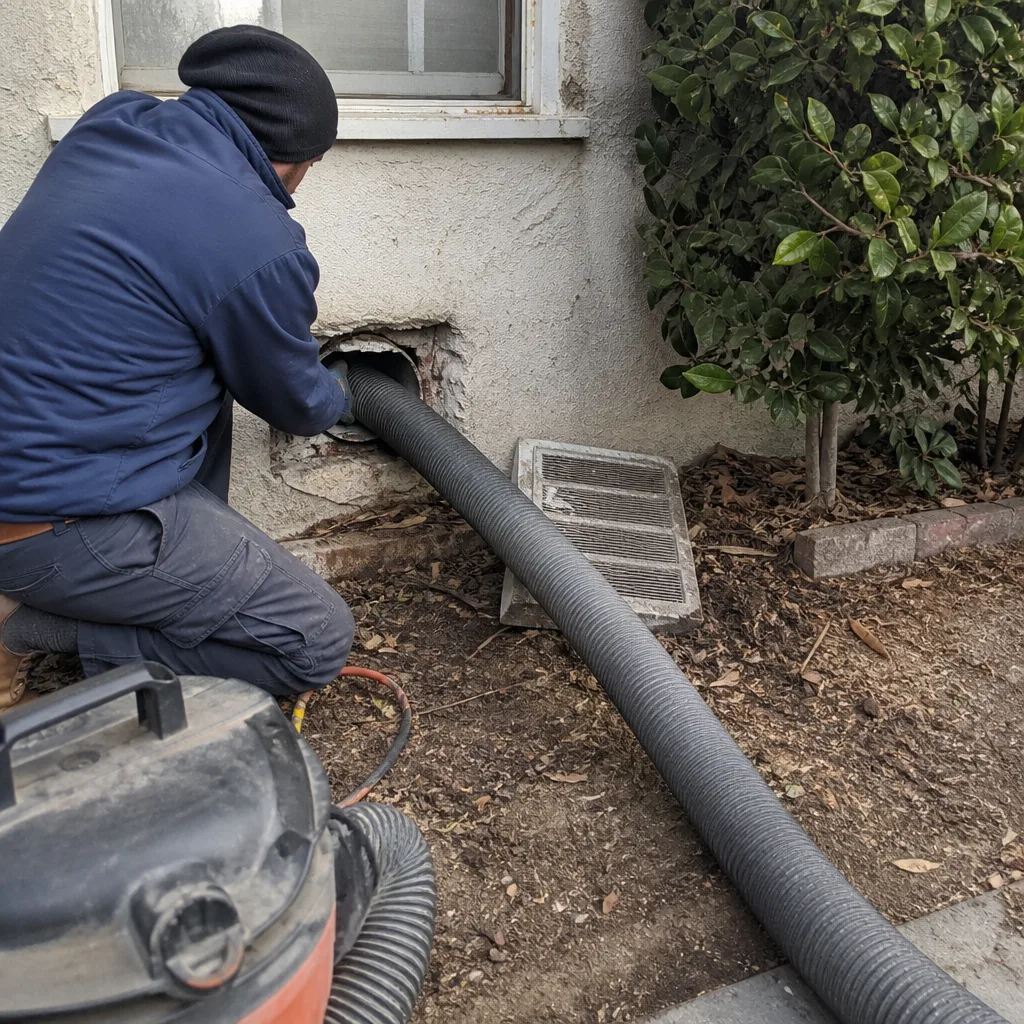 Before
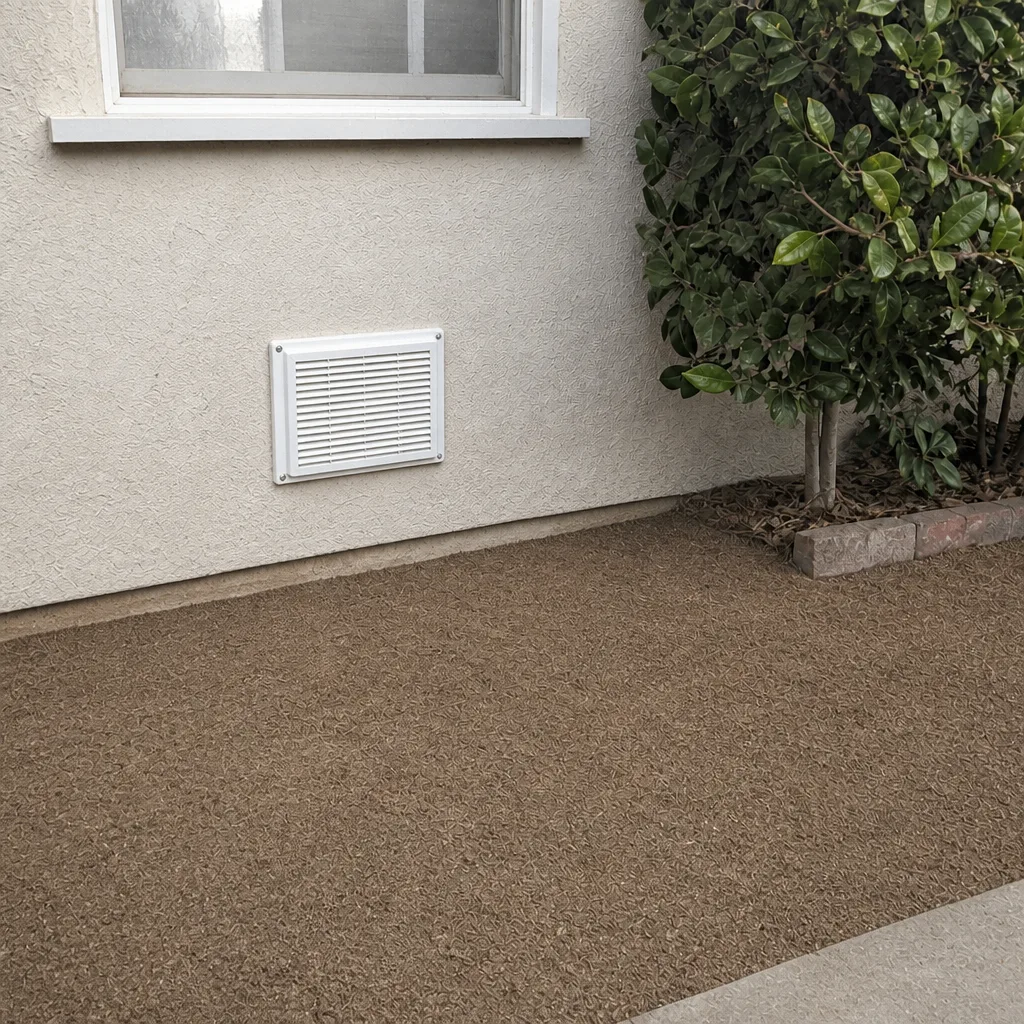 After
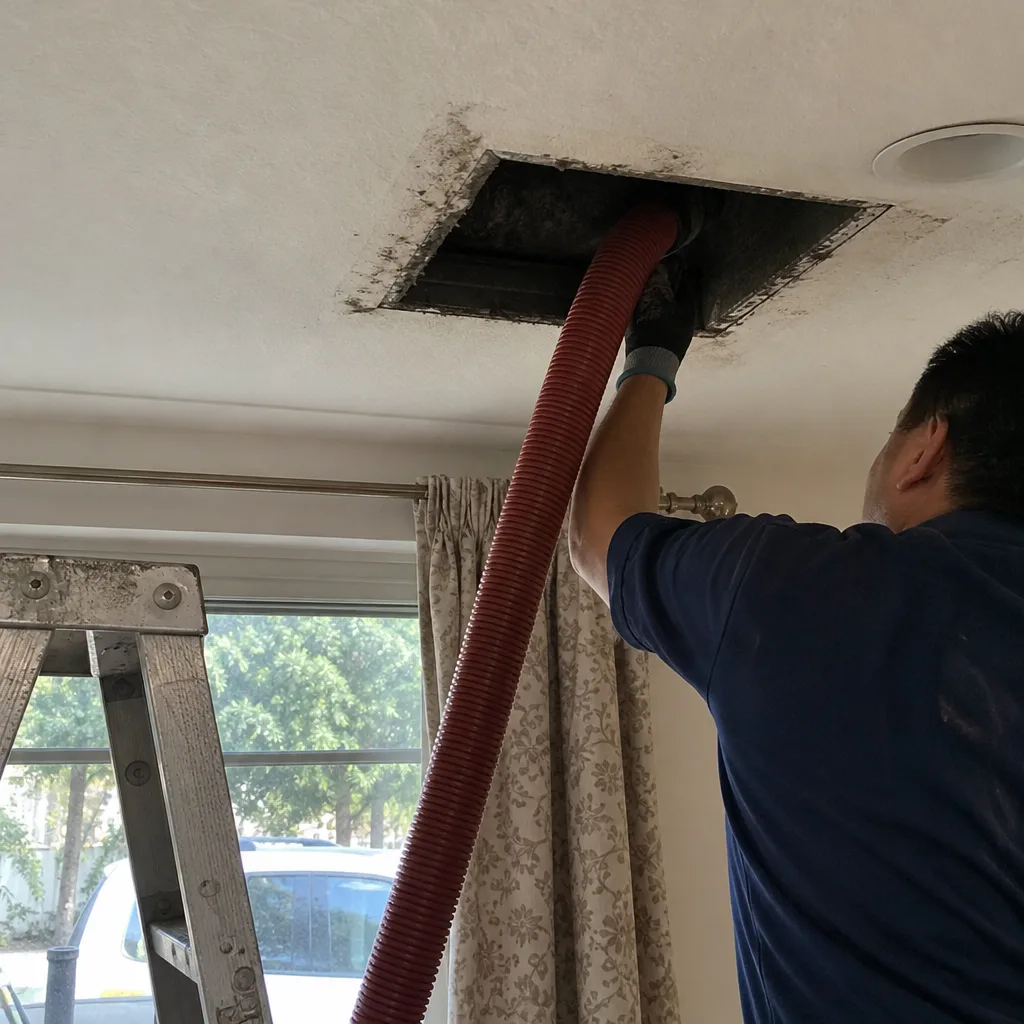 Before
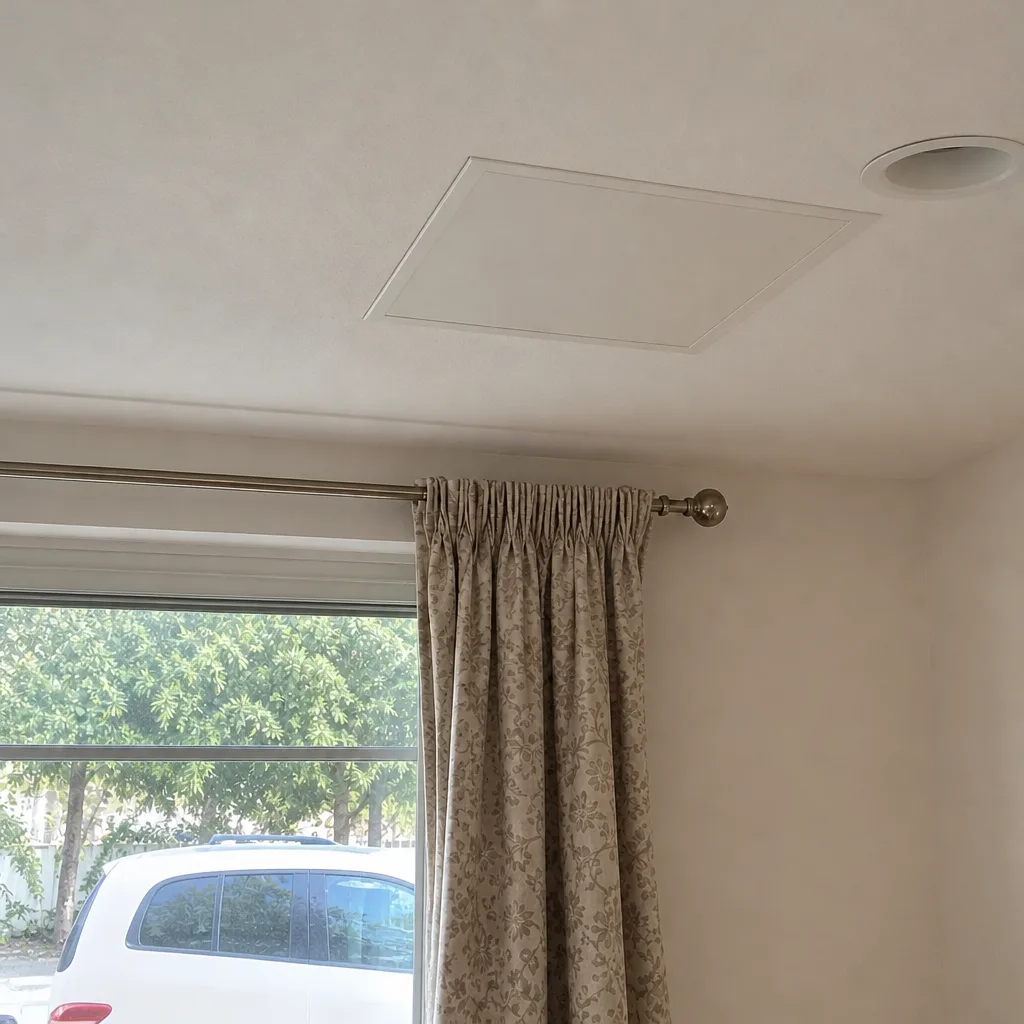 After
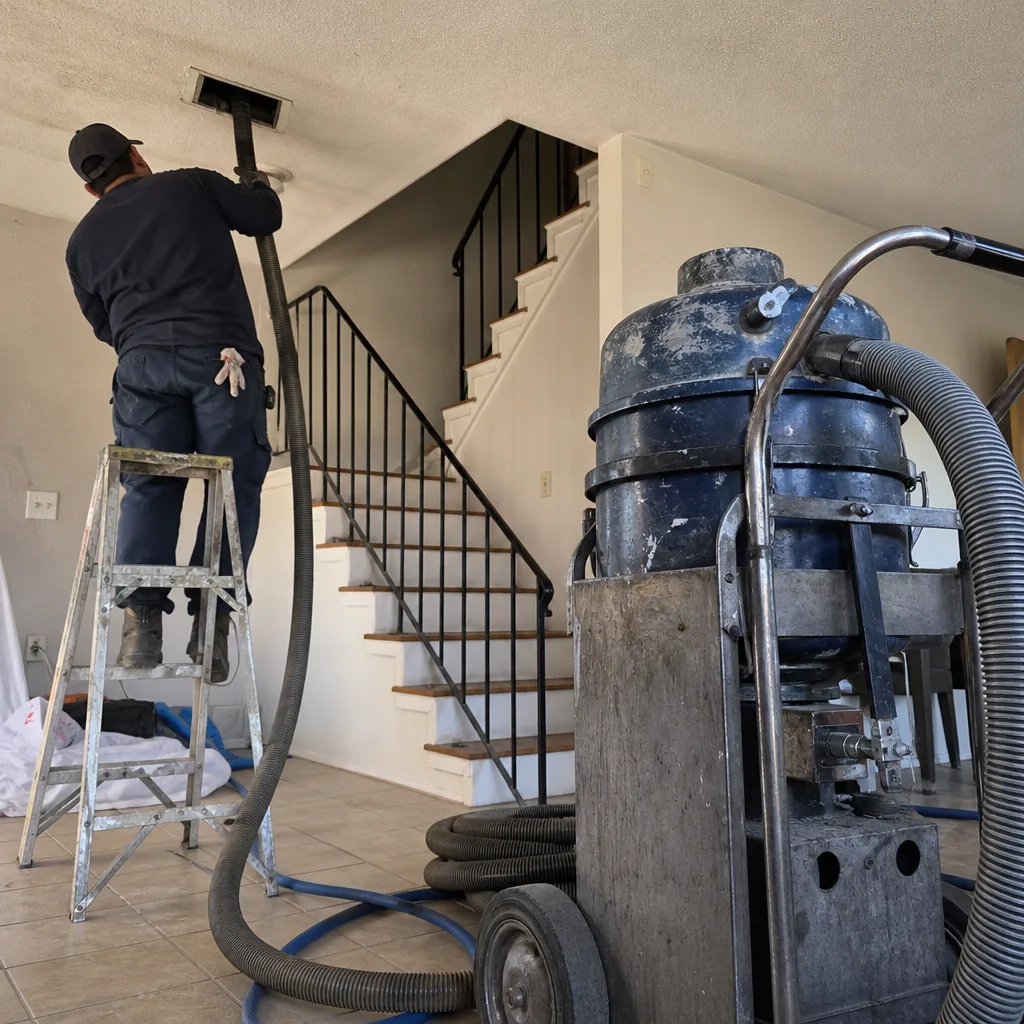 Before
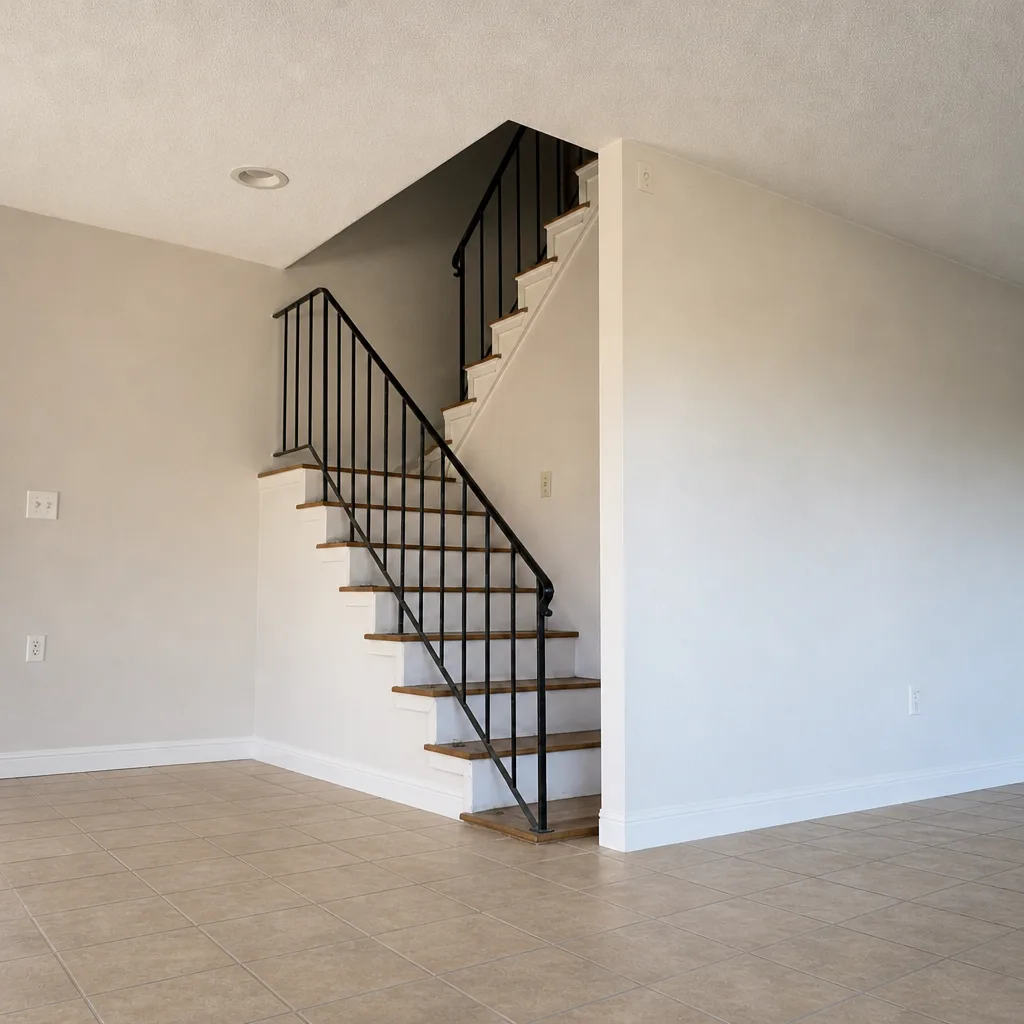 After
When to Call a Professional
If you’re seeing two or more of the signs in this guide at the same time, it’s worth having the system inspected. If you’ve recently finished a renovation and the filter is loading faster than it used to, or you’ve noticed a musty smell that appears at startup and stays for the whole cycle, those are good reasons to call. So is a room that’s drifted five or more degrees from the rest of the house for two seasons in a row. And if you’re a property manager responsible for a building in Placentia and one unit has started showing uneven temperatures, it’s worth having the duct system reviewed before the issue spreads through the building.
Placentia Air Duct Cleaning Co offers free estimates, and our team handles the whole air pathway in one visit: cleaning, repair, sealing, and sanitizing. If you’re ready to book, call (833) 545-4372. We answer 24/7. Fast dispatch from 7am to 7pm, Sunday through Friday.
Frequently Asked Questions
The earliest warning signs are usually not visible dust at the registers. They’re filters loading faster than they used to, a room that runs a few degrees warmer than the rest of the house, a musty smell in the first thirty seconds after the fan starts, and allergy symptoms that track with system operation rather than the outdoor pollen calendar. Visible dust usually shows up later, once the duct system has already accumulated enough material to release it past the register grille. If you notice two or more of these, it’s a reasonable time to schedule an inspection. Call (833) 545-4372 for a free estimate.
Small differences are normal. A single room that has drifted five degrees or more from the rest of the house across two seasons usually points at a partial duct blockage or a leaking run, not a thermostat problem. A thermostat reads the average temperature of the house, so a restricted branch serving one room won’t register at the wall control. A register in the warm room that feels noticeably weaker than others in similar rooms is a strong clue. Call (833) 545-4372 for an inspection.
A filter that loads more quickly than it used to is telling you that more particulate is reaching it, not that the filter has changed. The cause is often a return-side leak, an accumulation in the duct system, or renovation dust that settled into the ductwork and is still being cycled. Keeping a simple log of install and change dates over two or three filter cycles gives you a trend, and a trend is what turns a guess into a diagnosis. Call (833) 545-4372 for a free estimate.
A smell that appears in the first thirty seconds after the fan starts and then fades usually comes from the cooling coil or drain pan, where condensate and biofilm develop during cooling season. A smell that persists the entire time the system runs usually comes from the duct lining itself, where contamination has settled and stays. Both are worth addressing, and both are things a professional cleaning can look at in one visit. Call (833) 545-4372 to schedule an inspection.
Turn the system off, then shine a flashlight straight through the register grille into the duct throat. Hold a small inspection mirror at an angle to see along the duct wall past the register boot. You’re looking at depth and texture: light, even dust is normal; clumped material or a visible layer with thickness is worth a closer look. Compare three or four registers in different rooms. If one looks much worse than the others, the branch serving it is the place to start. Call (833) 545-4372 for a professional look.
Yes. Our technicians use Rotobrush and Nikro systems, which are purpose-built for duct cleaning, along with Abatement Technologies equipment for containment on every job. We clean the duct system, the coil, and the drain pan in one visit, and we repair and seal any duct damage we find in-house rather than subcontracted. Our technicians have up to 11 years of experience. Call (833) 545-4372 for a free estimate.
The Bottom Line
Visible dust is the last sign to show up, so it’s the wrong thing to wait for. The earlier signals live in your filter log, your room temperatures, your sense of smell at startup, and the flash of a light through the register grille. Learn to read those and you’ll catch a developing problem long before it becomes a visible one. Placentia Air Duct Cleaning Co handles the whole system in one visit, from cleaning and sealing to sanitizing and air quality products, so a single call covers what would otherwise take three. Call (833) 545-4372. We answer 24/7. Fast dispatch from 7am to 7pm, Sunday through Friday.
For a broader look at how we approach the whole job, visit Placentia Air Duct Cleaning Co.
Written by the team at Placentia Air Duct Cleaning Co.